
Home warranty vs home insurance comes down to the type of problem affecting your property. Homeowners insurance generally addresses covered sudden losses, including fires, theft, storms, and liability claims. A home warranty usually helps with eligible systems or appliances that fail through normal use.
You do not normally choose one as a replacement for the other. The Consumer Financial Protection Bureau says lenders generally require proof of homeowner’s insurance, while a warranty plan remains optional. Many U.S. homeowners can carry both because each product handles different financial risks.
Quick answer: Homeowners insurance protects your house, belongings, and liability against covered unexpected events. A home warranty is an optional service contract for eligible appliances and home systems that break from normal wear. Insurance may be lender-required, while warranty coverage depends on your budget, equipment age, and contract terms.
| Question | Home warranty | Homeowners insurance |
|---|---|---|
| What is it? | Service contract | Insurance policy |
| Main purpose | Covered equipment breakdowns | Covered property losses and liability |
| Typical cause covered | Normal wear and mechanical failure | Fire, theft, wind, and other listed perils |
| Usually required? | No | Often required by mortgage lenders |
| Common payment when used | Service-call fee | Deductible |
| Covers personal liability? | Usually no | Usually yes |
| Covers belongings after theft? | No | Often yes, subject to policy terms |
| Best viewed as | Optional repair-budget protection | Core financial protection |
Key Takeaways
- A warranty and homeowners policy solve different problems.
- Insurance focuses on covered losses caused by specified events.
- Warranty contracts focus on eligible system and appliance failures.
- Mortgage lenders usually care about insurance, not warranty coverage.
- Both products contain limits, exclusions, and claim requirements.
- Older systems may make optional repair coverage more attractive.
- Neither product replaces routine maintenance or an emergency fund.
Home Warranty vs Home Insurance: What Is the Main Difference?
Homeowners insurance protects against financial losses tied to covered events. Examples can include fire, theft, wind damage, or certain water-damage situations. Policies can also include liability protection when someone is injured on your property.
A home warranty works differently because it is a service contract. It may pay toward repairs or replacement when covered systems fail from normal use. Common examples include HVAC equipment, water heaters, plumbing components, or kitchen appliances.
The cause of the problem usually matters as much as the damaged item. A broken refrigerator compressor may fit a warranty contract but not a standard homeowners claim. A refrigerator damaged during a covered house fire may fall under homeowners coverage instead.
What Does Homeowners Insurance Usually Cover?
A standard homeowners policy generally combines several forms of protection. These often include dwelling coverage, personal property coverage, liability protection, and additional living expenses. Exact protections depend on the policy form, limits, endorsements, and exclusions.
Dwelling coverage helps repair covered damage to the house itself. Personal property coverage addresses eligible belongings after covered events such as theft or fire. Liability coverage can help when you are legally responsible for injuries or property damage.
Insurance does not normally pay because an appliance became old or stopped working through ordinary use. Maintenance problems and gradual deterioration are commonly excluded. Flood and earthquake protection may also require separate coverage or endorsements.
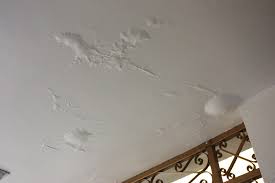
Water damage shows why the cause matters. Sudden damage from a covered plumbing event may qualify under some policies. Gradual leakage or neglected maintenance can produce a different claim outcome.
Homeowners concerned about moisture can also review AHomeGuru’s guide to how water leaks can damage a home and why prevention matters. Preventive maintenance can reduce property damage even when insurance protection exists. Policy coverage should never become a substitute for fixing known leaks.
What Does a Home Warranty Usually Cover?
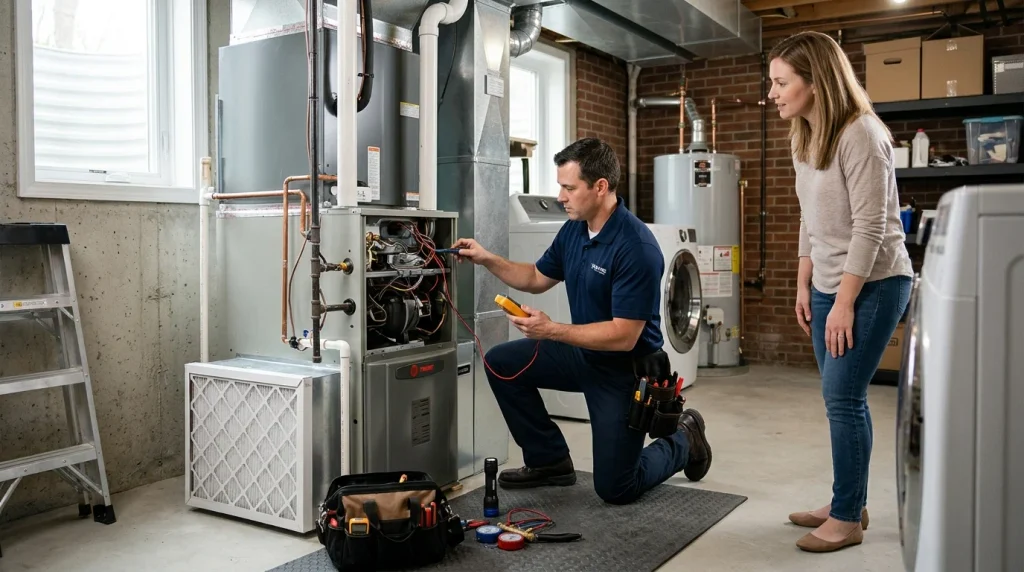
Warranty coverage centers on named household systems and appliances. A contract might include heating, cooling, electrical, plumbing, water heaters, refrigerators, ovens, or dishwashers. Covered items vary widely between companies and plan levels.
The contract usually requires the item to meet stated eligibility conditions. A provider may reject problems involving pre-existing defects, poor installation, misuse, or excluded components. Coverage limits can also restrict what the provider pays.
Most plans charge a service fee when you request a technician. That cost is separate from the plan price. You may still owe additional money when repairs exceed contractual limits.
A warranty does not mean every breakdown produces a free replacement. Providers may repair an item rather than replace it. Replacement specifications and cash-settlement rules also depend on the agreement.
Side-by-Side Coverage Examples
| Situation | Warranty plan | Homeowners insurance |
|---|---|---|
| Air conditioner fails from normal wear | May cover | Usually not |
| Dishwasher motor stops working | May cover | Usually not |
| House damaged by covered fire | No | May cover |
| Electronics stolen during burglary | No | May cover |
| Visitor suffers covered injury | No | Liability coverage may apply |
| Old water heater stops heating | May cover | Usually not |
| Roof damaged by covered windstorm | No | May cover |
| Routine maintenance is needed | No | No |
These examples show why the two protections rarely compete directly. They usually respond to different causes and different types of financial loss. Contract wording still decides whether a specific claim qualifies.
Roof problems provide another useful example. Insurance may address covered storm damage, while ordinary deterioration remains a maintenance issue. AHomeGuru’s roof cleaning guide explains preventive care that can help homeowners spot problems earlier.
How Much Do They Cost?
Prices vary by location, house characteristics, coverage level, provider, and claim history. NerdWallet’s March 2026 analysis estimated an average warranty cost around $876 annually. Its homeowners insurance analysis placed the national average around $2,490 annually.
Those averages should not become your personal budget assumption. Insurance premiums differ sharply between states and risk areas. Warranty pricing also changes with covered systems, add-ons, service fees, and payout limits.
Compare total expected cost rather than monthly price alone. For insurance, examine premiums, deductibles, limits, and endorsements. For warranty contracts, compare plan cost, service charges, coverage caps, and excluded components.
A cheaper contract can provide less useful protection. A low annual price may come with restrictive payout limits or narrow equipment coverage. Read the sample agreement before buying.
Pros and Cons of a Home Warranty
Pros
- Can reduce the immediate cost of some covered repairs.
- May appeal to owners with aging appliances or systems.
- Provides a defined process for requesting covered service.
- Can make certain repair expenses easier to budget.
Cons
- Coverage is optional and adds another recurring expense.
- Service fees can apply each time a technician visits.
- Contracts contain exclusions and payout limits.
- The provider may control contractor selection.
- You may pay premiums without using the plan.
The strongest case for a service contract usually involves budget predictability. It can appeal when several covered systems are older and replacement savings are limited. The value becomes weaker when exclusions make likely repairs ineligible.
Pros and Cons of Homeowners Insurance
Pros
- Protects against potentially severe covered property losses.
- Usually includes personal liability protection.
- Can cover eligible belongings and additional living expenses.
- Mortgage lenders commonly require it.
Cons
- Premiums can be substantial in high-risk areas.
- Deductibles apply to many claims.
- Policies exclude normal deterioration and maintenance.
- Certain hazards need separate policies or endorsements.
Homeowners coverage protects against losses that can exceed ordinary repair budgets. A major fire, liability claim, or severe storm can create large expenses. That makes insurance fundamentally different from appliance-repair protection.
Do You Need Both?
Most financed homeowners need insurance because their lender requires it. Even without a mortgage, dropping property insurance can expose substantial personal assets. A warranty remains an optional budgeting decision.
Consider extra repair coverage when several major systems are aging. It may also help when a sudden HVAC or appliance bill would strain your savings. Compare expected repair exposure against annual plan costs and contract limits.
You may skip a warranty when your systems remain under manufacturer protection. A well-funded home-repair reserve can also provide more flexibility. Savings let you choose your own contractor without contractual approval.
Home maintenance still matters with either choice. Problems involving structural movement, roofing deterioration, or neglected systems can become costly. AHomeGuru’s guide to concrete slab foundation cracks can help homeowners recognize warning signs that deserve professional evaluation.
What Happens When Both Could Seem Relevant?
Sometimes one incident affects both an appliance and the surrounding house. A failed water heater might damage flooring after releasing water. The mechanical failure and resulting property damage can fall under different coverage rules.
A warranty might address an eligible failed component. Homeowners insurance could potentially address resulting damage if the event meets policy requirements. Neither outcome is automatic, so contact each provider when coverage appears possible.
Document the damage before cleanup when it is safe to do so. Keep receipts, photographs, technician findings, and claim communications. Clear records can make coverage reviews easier.
How to Choose the Right Protection
Start by separating catastrophic risks from routine repair risks. Insurance addresses the first category, while optional service contracts may reduce certain repair bills. Your emergency savings can cover some expenses without either claim process.
Next, review the age and condition of your major systems. HVAC equipment, water heaters, plumbing, electrical components, and kitchen appliances deserve attention. Recent professional inspections can help identify near-term repair exposure.
Then compare written terms instead of marketing summaries. Look at deductibles, service fees, coverage limits, exclusions, cancellation terms, and contractor rules. Pay special attention to exclusions involving maintenance and pre-existing conditions.
Finally, plan for risks that neither product solves. Routine upkeep remains your responsibility. Backup-power planning may also matter in outage-prone areas, and AHomeGuru’s generator installation guide explains costs, permits, and safety considerations.
Our Verdict: Which One Should You Choose?
Homeowners insurance should take priority because it protects against potentially severe financial losses. It is also commonly required when a mortgage exists. A service contract should never be treated as a substitute for that protection.
A warranty can make sense as a secondary budgeting tool. Owners of older homes may value predictable service arrangements. Homeowners with strong repair savings may prefer to self-fund smaller failures.
The right decision therefore may be insurance plus a repair fund, or insurance plus a warranty. Compare your property risks and savings before adding optional coverage. Always review the actual policy and service agreement before paying.
Frequently Asked Questions
Is a home warranty the same as homeowners insurance?
No, the products serve different purposes. A service contract usually addresses eligible systems or appliances that fail through ordinary use. Homeowners insurance addresses covered property losses, belongings, liability, and other policy protections.
Is a home warranty required when buying a house?
A lender does not normally require a warranty plan. Sellers sometimes include one during a home transaction, but that is different from lender-required insurance. Buyers should review the contract before assuming it provides broad protection.
Can I have a warranty and home insurance at the same time?
Yes, homeowners can carry both products. Their protections overlap less than the names suggest. One mainly targets covered breakdowns, while the other addresses covered property losses and liability.
Does homeowners insurance cover an old HVAC system that stops working?
Ordinary mechanical failure from age is generally not covered by standard homeowners policies. Resulting damage from another covered event may be treated differently. Read your policy or ask your insurer about the specific cause.
Is a home warranty worth the money?
Value depends on system age, savings, contract terms, and expected repair costs. Compare annual fees and service charges with realistic repair expenses. Pay special attention to coverage caps before deciding.
Which should I buy first?
Homeowners insurance comes first for most property owners, especially when a mortgage lender requires it. Optional repair coverage should be considered afterward. Build emergency savings regardless of whether you add a service contract.
Protect the Risks That Matter Most
Your house can face both catastrophic losses and ordinary equipment failures. Those risks require different financial strategies. Understanding the distinction helps you avoid paying for coverage that cannot solve your actual problem.
Review your homeowners policy annually and inspect aging systems before failures occur. Compare optional service contracts only after you understand their exclusions and limits. Combining appropriate insurance, maintenance, and emergency savings creates a stronger home-protection plan.