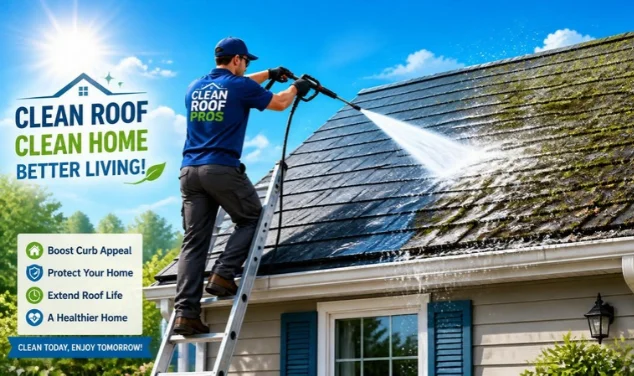

Roof cleaning removes algae, moss, dirt, leaves, and stains that collect on roofing materials. The safest method depends on your roofing material and the type of buildup. For asphalt shingles, gentle chemical treatment is usually safer than high-pressure washing.
A clean surface can improve curb appeal and reveal problems hidden beneath leaves or organic growth. However, aggressive washing can loosen shingle granules or force water beneath roofing materials. Homeowners should choose a method that protects the surface instead of chasing the fastest result.
Quick answer: Most U.S. homes need gentle treatment rather than high-pressure washing. Professional service commonly costs about $250 to $600, though difficult jobs can cost more. Asphalt shingles should never be blasted with a power washer because high pressure can damage their protective surface.
| What homeowners should know | Practical guidance |
|---|---|
| Typical professional cost | About $250–$600 for many homes |
| Common shingle method | Low-pressure chemical or soft washing |
| Pressure washing shingles | Avoid it |
| Main growth problems | Algae, moss, lichen, and organic debris |
| DIY concern | Falls, slippery surfaces, chemical handling |
| Cleaning schedule | Inspect regularly and clean when buildup appears |
Key Takeaways Before You Clean
The roofing material should determine the cleaning method. Asphalt shingles need gentle treatment, while some durable metal surfaces tolerate stronger washing. Manufacturer instructions should take priority whenever they differ from general advice.
Black streaks are often associated with algae rather than ordinary dirt. Moss and lichen can require different treatment because they attach more firmly to the surface. Scraping or brushing aggressively can create more damage than the growth itself.
Professional work may be the safer choice on steep, high, or difficult roofs. OSHA emphasizes fall protection for workers exposed to roof edges and elevated surfaces. Wet roofing also becomes more slippery during washing.
What Roof Cleaning Causes Black Streaks, Moss, and Roof Stains?

Roof Cleaning streaks commonly appear where moisture remains on roofing for long periods. Algae growth is especially common in warm and humid parts of the United States. ARMA notes that algae discoloration can occur across many U.S. regions.
Shade from trees can keep roofing damp after rain or morning dew. Leaves may also trap moisture near valleys, gutters, and lower roof sections. Keeping branches away from the home can reduce debris and physical contact with shingles.
AHomeGuru’s guide on how far to plant trees from your house explains how overhanging branches can affect roofs and gutters. Trees planted too close can contribute leaves, twigs, and rubbing branches. Managing nearby vegetation can therefore reduce future maintenance.
How Much Does Roof Cleaning Cost in the U.S.?
Professional roof cleaning commonly costs about $250 to $600, according to current HomeGuide pricing research. Angi reports an average near $461, with broader ranges depending on access and complexity. Large, steep, or heavily stained surfaces can cost considerably more.
Pricing often depends on surface area, material, pitch, stories, access, and stain severity. Soft washing commonly costs more per square foot than simple debris removal. Extra plant protection or moss treatment can also increase labor.
| Cost factor | Why it changes the price |
|---|---|
| Roof size | More surface requires more labor and solution |
| Pitch | Steeper surfaces require extra safety precautions |
| Number of stories | Higher access increases setup and risk |
| Material | Different surfaces require different treatment |
| Growth level | Heavy moss or lichen takes longer to treat |
| Accessibility | Tight lots and complex shapes slow the work |
Current national sources place soft washing around $0.15 to $0.60 per square foot. Local labor rates can move estimates outside that range. Always compare written scopes instead of comparing total prices alone.
Soft Washing vs. Pressure Washing
Soft washing relies on low pressure and a cleaning solution to loosen organic buildup. High-pressure equipment relies more heavily on water force. Those approaches can have very different effects on shingles.
| Method | Best suited for | Main concern |
|---|---|---|
| Soft washing | Many asphalt shingle and tile applications | Chemical handling and plant protection |
| Low-pressure rinsing | Light debris on compatible surfaces | May not remove established growth |
| Pressure washing | Certain durable surfaces, including some metal systems | Surface damage if used incorrectly |
| Manual debris removal | Leaves and loose debris | Walking and fall hazards |
ARMA specifically warns against power washing asphalt roofing. It says high-pressure systems can damage asphalt shingles and should not remove algae or stains. Gentle application and rinsing are safer when approved by the manufacturer.
This distinction matters because missing granules cannot be restored through cleaning. A forceful spray may create a brighter surface while reducing protection underneath. Check the shingle manufacturer’s care instructions before allowing any contractor to use pressure.
A Safer Approach for Asphalt Shingles
ARMA recommends a gently applied cleaning solution for algae discoloration on asphalt shingles. It also advises homeowners to follow their specific shingle manufacturer’s directions. Approved concentrations and procedures can differ between products.
Avoid stiff brushes, aggressive scrubbing, and pressure washers on shingles. Friction can loosen protective granules from the shingle surface. A gentle rinse is preferable after the treatment has worked.
Protect landscaping before any chemical solution reaches the roofing. Plants, siding, metal fixtures, and runoff areas may require rinsing or covering. A professional should explain those protections before starting the job.
Can You Clean a Roof Yourself?
Some ground-level maintenance can be handled without climbing onto roofing. Homeowners can remove accessible debris around downspouts or inspect stains safely from the ground. Work involving steep slopes, wet surfaces, or tall ladders carries much greater risk.
OSHA materials repeatedly identify falls as a serious hazard during elevated work. Proper ladder placement, equipment, training, and fall protection matter during professional roofing tasks. Washing makes footing more difficult because both water and cleaning solution reduce traction.
Hiring a trained contractor becomes sensible when safe access requires specialized equipment. The same applies when shingles are damaged, loose, curled, or heavily worn. Cleaning should never substitute for repairs when the roofing system already shows deterioration.
Signs You Should Inspect Before Cleaning
Look for missing shingles, loose flashing, cracked tiles, exposed fasteners, or sagging sections first. Cleaning water can enter openings that already exist. Repairing those areas first reduces the chance of turning maintenance into water damage.
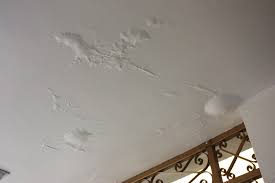
Interior warning signs deserve attention too. Ceiling stains, attic dampness, or musty odors can suggest moisture entry. AHomeGuru’s water-leak prevention guide explains why identifying water sources early can limit wider damage.
Storm-prone homes may need an inspection after severe weather before washing begins. AHomeGuru also covers warning signs in its hurricane roof damage guide. Cleaning a storm-damaged surface before inspection can make existing weaknesses harder to identify.
How Often Should a Roof Be Cleaned?
There is no universal schedule that fits every U.S. home. Climate, shade, roofing material, nearby trees, and algae exposure all affect how quickly staining returns. Regular inspection is more useful than cleaning automatically every year.
A roof in a humid, shaded area may develop growth faster than one in a dry climate. North-facing slopes can also stay damp longer because they receive less direct sunlight. Homeowners should respond to actual buildup rather than unnecessary calendar-based washing.
Cleaning too frequently can create needless wear when poor methods are used. Waiting until heavy moss spreads is also undesirable. Inspect from the ground periodically and act when significant organic growth becomes visible.
Questions to Ask a Professional Cleaner
A qualified contractor should explain the proposed method before work begins. Ask whether the approach follows the roofing manufacturer’s instructions. You should also know how landscaping, gutters, siding, and runoff will be protected.
Request proof of insurance and ask how workers manage fall protection. Get a written scope that identifies the areas included in the price. Clarify whether moss treatment, gutter clearing, or repeat treatment costs extra.
Avoid choosing a contractor solely because the quote is inexpensive. High-pressure washing may look efficient while creating avoidable shingle damage. Compare methods, safety practices, and included work before comparing the final number.
Preventing Fast Regrowth
Keep valleys and drainage paths free from leaves and branches. Trim vegetation that continuously shades or rubs against roofing surfaces. Good drainage helps the surface dry faster after rain.
Gutters also need enough capacity to move water away from the structure. Overflow can contribute to moisture near fascia, siding, and foundations. Keeping drainage systems clear supports the broader maintenance plan.
Exterior materials need different cleaning methods, even around the same house. For masonry areas, AHomeGuru’s brick cleaning guide explains stain-specific methods and surface precautions. Avoid assuming that equipment safe for concrete or brick is also safe for shingles.
Frequently Asked Questions About Roof Cleaning
Is roof cleaning worth it?
It can be worthwhile when algae, moss, stains, or debris are affecting appearance or maintenance. Proper treatment can restore a cleaner surface without replacing otherwise serviceable materials. The benefit depends heavily on using a compatible method.
Does pressure washing damage asphalt shingles?
Yes, high-pressure washing can damage asphalt shingles. ARMA warns that power washing may harm asphalt roofing and should not remove algae. Gentle methods approved by the shingle manufacturer are the safer choice.
How much should I expect to pay?
Many U.S. homeowners see professional estimates between roughly $250 and $600. Larger, steeper, or heavily stained properties may exceed that range. Material, access, region, and treatment type all affect the final quote.
Can moss be pressure washed away?
Removing visible moss with force can damage delicate roofing materials. Treatment should loosen or kill growth without aggressive scraping or blasting. Follow the roofing manufacturer’s instructions before selecting chemicals or mechanical methods.
Should I clean before repairing a leak?
An active leak should be inspected before washing begins. Cleaning water may enter existing openings and complicate the problem. Fix the source first unless a roofing professional recommends another sequence.
Protect the Roof, Not Just Its Appearance
A cleaner surface is useful only when the treatment preserves the material underneath. Match the method to the roofing product, check for existing damage, and avoid unnecessary pressure. Those steps reduce the chance of turning routine maintenance into repair work.
For most asphalt-shingle homes, gentle professional treatment is the safer starting point. Get a written quote that explains the process, safety precautions, and included services. Then compare contractors based on method and protection, not price alone.