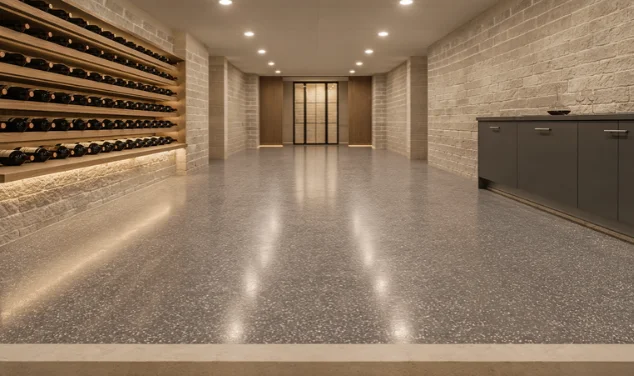

Choosing flooring for cellars starts with moisture, not color or style. Below-grade concrete can transmit moisture even when its surface looks dry. Your best floor depends on whether the space stays dry, becomes damp, or has experienced flooding. For most finished U.S. cellars, rigid-core luxury vinyl plank offers a practical balance of moisture resistance, comfort, and appearance. Porcelain tile and sealed concrete make more sense where water exposure is likely. Carpet and wood-based products need much more caution below grade.
Cellar Flooring at a Glance
| Flooring option | Moisture tolerance | Comfort | Typical use | Main drawback |
|---|---|---|---|---|
| Rigid-core LVP | High | Good | Finished living spaces | Water can remain beneath planks |
| Porcelain tile | Very high | Cool and hard | Damp or flood-risk spaces | Higher installation effort |
| Sealed concrete | Very high | Hard and cool | Workshops and utility areas | Less comfortable |
| Epoxy coating | High when properly installed | Hard | Gyms, workshops, utility rooms | Slab preparation is critical |
| Sheet vinyl | High | Moderate | Laundry and budget projects | Subfloor defects may show |
| Rubber flooring | High | Soft | Home gyms and play areas | Limited residential appearance |
| Carpet tile | Low to moderate | Warm | Reliably dry rooms | Can hold moisture |
| Engineered wood | Moderate | Warm | Carefully controlled dry spaces | Sensitive to moisture changes |
Direct answer: The safest flooring for most cellars is rigid-core vinyl, porcelain tile, sealed concrete, or a suitable coating. Choose by actual moisture conditions first. Fix leaks before installation, then follow the flooring maker’s concrete and vapor-control requirements.
Why Cellar Floors Need Different Materials
A flooring for cellars sits below or partly below grade. Its concrete slab stays cooler than floors on upper levels. Moisture can also move through porous concrete from the soil beneath it. Warm, humid air can condense against a cool slab. Groundwater can also reach a cellar through cracks or foundation defects. These conditions make moisture management central to any flooring project. The U.S. Department of Energy’s building-science guidance recognizes that concrete can transmit moisture from surrounding soil.
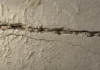
ENERGY STAR guidance also stresses correcting bulk-water problems before relying on surface treatments. A decorative floor should never become a substitute for drainage or leak repair. If you find suspicious slab movement, review A Home Guru’s concrete slab crack guidance before covering the surface. Some cracks are minor, while others may point toward drainage or structural concerns. Resolving the cause first can prevent wasted flooring work.
Best Flooring for Cellars by Moisture Level
The right choice becomes easier once you classify the cellar as dry, damp, or water-prone. A finished family room has different needs from a utility cellar near a sump pump. Matching the material to risk reduces expensive replacement later.
Dry Cellars
A reliably dry cellar gives you the widest selection. Rigid vinyl, tile, carpet tile, and some approved engineered products may work. Manufacturer instructions still control installation over concrete. Comfort becomes more important when moisture risk is low. A media room may benefit from warmer surfaces and area rugs. A home gym may work better with rubber or resilient vinyl. Engineered wood can sometimes work over an appropriate concrete system. Solid hardwood is much less forgiving below grade. A Home Guru’s hardwood installation guide explains why moisture testing and subfloor preparation matter around concrete.
Damp Cellars
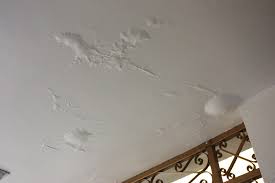
Occasional dampness narrows the list considerably. Rigid-core vinyl, porcelain tile, and suitable concrete finishes become stronger candidates. Any wood-fiber product deserves extra caution. The finished material may resist water while the assembly beneath it does not. Moisture trapped under floating planks can still create odors or biological growth. That makes slab testing and manufacturer-approved vapor control essential. A dehumidifier may help with humid indoor air, but it cannot repair groundwater entry. Exterior drainage, grading, gutters, or foundation drainage may need attention. A Home Guru’s French-drain guide explains why foundation water requires a broader assessment.
Cellars With Flooding Risk
A history of standing water should change your priorities. Porcelain tile, sealed concrete, and carefully selected coatings recover more easily than absorbent materials. Avoid finishes that become expensive waste after one water event. Even waterproof flooring does not make the room waterproof. Water can travel beneath floating materials and reach walls or trim. Flood-prone spaces need a water-management plan before cosmetic upgrades. Tile and concrete also simplify cleanup after clean-water incidents. Contaminated floodwater requires more extensive sanitation and material removal. Local conditions and the source of the water should guide recovery decisions.
1. Rigid-Core Luxury Vinyl Plank
Rigid-core LVP is a strong choice for a finished cellar that does not routinely flood. It resists surface spills and offers warmer footing than ceramic or concrete. Wood-look designs also make below-grade rooms feel more like normal living spaces. SPC products use a dense mineral-and-plastic core. They are less vulnerable to swelling than traditional wood-based boards. However, the complete installation must still meet the manufacturer’s moisture limits. Floating planks can also simplify replacement after localized damage. The slab must remain flat enough for the locking system. Uneven concrete can stress joints and create movement underfoot.
2. Porcelain Tile
Porcelain tile is one of the safest options where moisture exposure is a major concern. It does not contain a wood-fiber core that can swell. Proper installation can also handle heavy traffic for years. The tradeoff is comfort. Tile over concrete feels cold and hard, especially in northern climates. Area rugs or compatible radiant heating can improve the experience. Tile installation also demands a sound, suitably prepared slab. Cracks or movement beneath the surface can transfer into the finished work. Address significant slab defects before setting tile.
3. Sealed or Polished Concrete
Using the existing slab as the finished surface removes several moisture-sensitive layers. Concrete can be stained, polished, or sealed for a cleaner appearance. This approach suits workshops, storage areas, and contemporary finished spaces. It also makes future moisture inspection easier. You are not hiding the slab beneath carpet padding or floating boards. Small problems can become visible before they damage concealed materials. Comfort remains the main compromise. Concrete is hard, acoustically reflective, and cool underfoot. Rugs can soften living zones without committing the entire room to an absorbent covering.
4. Epoxy Floor Coatings
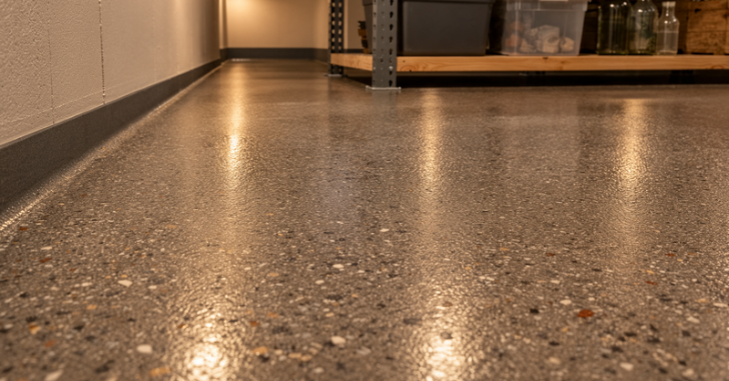
Epoxy can create a durable, continuous finish over properly prepared concrete. It works particularly well in workshops, home gyms, and utility spaces. Decorative colors and flakes can also make the result less industrial. Preparation determines performance. Moisture pressure beneath a coating can cause adhesion problems or blistering. Testing and surface preparation should therefore come before selecting colors. Current U.S. estimates place professionally installed epoxy around $4 to $10 per square foot on average. Costs change with slab repairs, finish choices, and local labor. Treat national pricing as a planning range rather than a contractor quote.
5. Sheet Vinyl
Sheet vinyl can provide an economical, water-friendly surface with fewer seams than planks. It works well in laundry rooms, storage rooms, and simple finished spaces. Many products also feel softer than tile. The slab must still suit the chosen installation system. Moisture can interfere with adhesives or become trapped beneath impermeable material.
Check the product’s below-grade instructions before purchasing. Sheet products can also reveal imperfections in poorly prepared concrete. Patching and smoothing may add labor before installation. That preparation can still be worthwhile for a budget-conscious project.
6. Rubber Flooring
Rubber tiles and rolls are useful where function matters more than a traditional residential appearance. They provide cushioning for exercise equipment and active play. Many products also handle occasional surface moisture well. Seams and product construction still matter. Water can reach the slab beneath modular tiles after a leak. Removable tiles make drying and inspection easier in some installations. Rubber can have an initial odor, depending on the product. Check manufacturer guidance for indoor residential use. Choose products specifically intended for enclosed interior spaces.
Flooring Materials to Approach Carefully
Carpet feels warm, but moisture can become trapped in backing and padding. That makes wall-to-wall carpet risky unless the cellar stays reliably dry. Removable carpet tiles provide easier replacement when softness is important. Standard laminate contains wood-based components that can swell after water exposure. Products marketed as waterproof still have installation limits and warranty conditions. Read below-grade restrictions instead of relying on the front label. Solid hardwood has similar limitations and reacts to changing moisture levels. Engineered wood can offer better dimensional stability in approved systems. Neither choice should be installed over an unresolved damp slab.
What Does Cellar Flooring Cost in the U.S.?
Costs depend on material, preparation, room shape, and local labor. Current national pricing shows wide differences between basic vinyl and labor-intensive tile. Slab leveling or moisture repairs can add substantially to the final total. HomeGuide lists waterproof flooring materials across broad price ranges. Its current figures place LVP materials around $1.50 to $7 per square foot. Epoxy and porcelain vary with quality and installation requirements.
| Material | Useful U.S. planning range | Budget concern |
|---|---|---|
| LVP materials | About $1.50–$7/sq. ft. | Underlayment and slab preparation |
| Porcelain tile materials | About $3–$10/sq. ft. | Labor can exceed material cost |
| Sheet vinyl materials | About $0.50–$4/sq. ft. | Surface preparation |
| Epoxy installation | About $4–$10/sq. ft. | Crack repair and preparation |
Never choose solely from the lowest square-foot figure. A cheap floor replaced after a moisture problem costs more than a suitable floor installed once. Include drainage and slab work in the project budget.
How to Choose the Right Cellar Floor
Start by looking for active leaks, staining, efflorescence, musty odors, or past flooding. These signs matter more than the flooring sample you prefer. Repair active water entry before beginning finish work. Next, decide how people will use the room. Living rooms benefit from comfort, while utility areas reward easy cleanup. Gyms need impact resistance and cushioning. Then compare product instructions against the actual slab conditions. Check moisture limits, flatness requirements, vapor-retarder instructions, and below-grade approval. Follow those specifications rather than a universal installation rule. Finally, consider what happens during a future leak. Materials that can be cleaned, lifted, or replaced in sections may reduce recovery costs. This simple question often separates practical choices from attractive but risky ones.
Flooring for Cellars: The Practical Recommendation
For most dry or moderately humid finished cellars, rigid-core LVP is the strongest all-around choice. It combines a residential look with practical moisture resistance. Confirm the slab and installation system meet the manufacturer’s requirements. Choose porcelain tile or finished concrete where water exposure is more likely. Rubber makes sense for exercise spaces, while sheet vinyl suits many budget projects. Reserve carpet and wood-based choices for spaces with dependable moisture control. Before buying materials, inspect the slab and solve any known water problem. That step protects your flooring budget and the surrounding finished space. Browse A Home Guru’s basement resources for related below-grade maintenance topics.
Frequently Asked Questions
What is the best flooring for cellars?
Rigid-core luxury vinyl is a good all-around option for many finished cellars. Porcelain tile or concrete may perform better where flooding is possible. The final choice should reflect actual slab moisture and room use.
Can you put vinyl flooring directly on a cellar concrete floor?
Many vinyl products can be installed over prepared concrete. The slab must meet the manufacturer’s moisture, flatness, and cleanliness limits. Some systems also require a specific vapor-control layer.
What is the cheapest practical floor for a cellar?
Sheet vinyl and simple concrete finishes can provide low-cost options. Final costs rise when the slab needs leveling, crack repair, or moisture correction. Compare complete installed costs rather than material prices alone.
Should I put carpet in a cellar?
Carpet works best in cellars that remain reliably dry. Padding and backing can retain moisture after leaks or condensation. Removable carpet tiles can reduce replacement costs in suitable rooms.
Do I need a moisture barrier under cellar flooring?
That depends on the flooring system, slab, climate, and manufacturer instructions. Some floating products require approved vapor protection over concrete. Never assume an attached cushion also functions as the required vapor retarder.
Is tile better than vinyl for a damp cellar?
Tile usually provides greater tolerance where significant water exposure is possible. Vinyl often feels warmer and more comfortable in ordinary finished living spaces. Moisture conditions should decide between them before appearance does. —