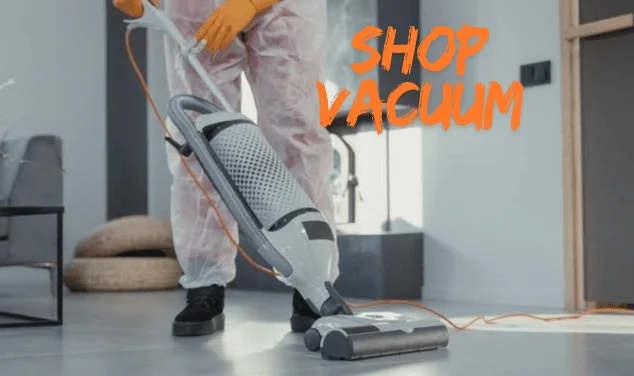

A shop vacuum handles messes that can overwhelm an ordinary household cleaner. It can collect sawdust, workshop debris, dirt, and liquids when configured correctly. For most U.S. homeowners, a medium wet/dry model offers the strongest balance of capacity, portability, and cleaning power.
Choosing one involves more than comparing tank size or peak horsepower. Airflow, suction, filtration, hose diameter, and accessories can matter more during everyday use. This guide explains those differences so you can choose a practical model without paying for unnecessary capacity.
| Feature | What to Look For | Why It Matters |
|---|---|---|
| Capacity | 4–10 gallons for many home uses | Balances storage and cleanup capacity |
| Airflow | Compare CFM between similar models. g6 | Helps move dust and lighter debris |
| Suction | Check sealed pressure or water lift. | Helps collect liquids and heavier debris |
| Hose | Match diameter to your typical debris. | Wider hoses reduce clogging. |
| Filter | Pleated cartridge or suitable fine-dust filter | Helps control smaller particles |
| Cord/Hose Reach | Enough for your garage or work area | Reduces outlet changes |
| Wet Cleanup | Wet-compatible filter setup and drain | Makes spill cleanup easier |
| Accessories | Floor, utility, crevice, and vehicle tools | Expands the machine’s usefulness |
Quick answer: Choose capacity according to cleanup size, then compare airflow, suction, filtration, hose diameter, and reach. Small units suit cars and quick spills. Medium machines fit many garages and DIY projects. Larger models make sense for renovations, workshops, and frequent high-volume cleanup.
What Is a Shop Vacuum?
A wet/dry utility vacuum uses a motor to pull air, debris, or liquid through a hose. Collected material enters a tank instead of a typical household vacuum bag or small dust bin. The design makes these machines useful around garages, basements, workshops, vehicles, and renovation areas.
The term can also create confusion because Shop-Vac is a brand name. In everyday American usage, people often use “shop vac” for the broader wet/dry vacuum category. Always read the product specifications rather than relying only on the name printed on a listing.
These machines also differ from standard upright or stick cleaners. Household models primarily target carpet, hard floors, pet hair, and routine indoor dust. Utility vacuums are designed for rougher debris and, on suitable models, liquid pickup.
Shop Vacuum Size: How Many Gallons Do You Need?
Tank capacity affects storage, portability, and how often you need to empty collected material. Bigger tanks aren’t automatically better for every homeowner. A huge canister can become cumbersome when your main jobs involve vehicle interiors or occasional spills.
Small units around one to three gallons work well for cars and limited work areas. Models around four to ten gallons provide more flexibility for garages and household projects. Larger machines can suit renovations, woodworking areas, and other jobs producing substantial debris.
Remember that advertised tank capacity doesn’t always equal usable liquid capacity during operation. Internal components and automatic shutoff systems occupy some tank space. Compare capacity as one factor rather than treating gallons as a direct performance rating.
A compact model also makes sense when storage is limited. AHomeGuru’s guide to Rodent Exterminator Cost explains why accessible storage zones matter. Your cleaner is more useful when you can reach it without moving several boxes first.
Don’t Judge Cleaning Power by Peak Horsepower Alone
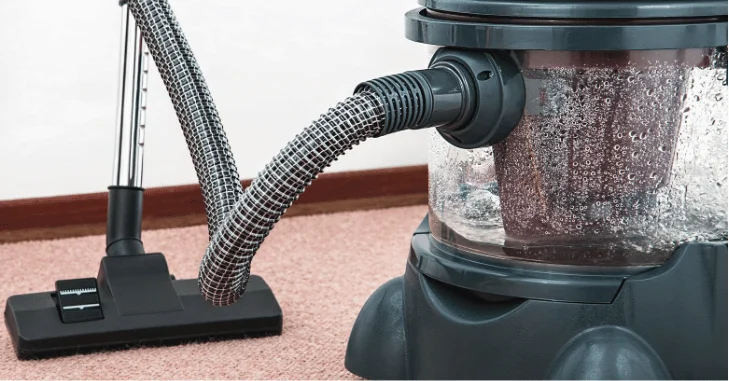
Peak horsepower appears prominently on many American wet/dry vacuum labels. Yet it doesn’t describe sustained operating horsepower under normal cleaning conditions. Shop-Vac itself explains that peak horsepower includes motor output measured under laboratory conditions.
Airflow and sealed pressure provide additional information about actual cleaning behavior. Airflow is commonly expressed in cubic feet per minute, or CFM. Higher airflow can help move sawdust, dirt, and lighter material through the hose.
Sealed pressure measures suction strength and is often expressed in inches. Strong suction becomes useful with liquids and heavier material. Comparing both measurements gives you a fuller picture than comparing peak horsepower alone.
For example, two machines carrying similar horsepower labels can have different airflow specifications. Their hoses, filters, motor designs, and attachments also affect performance. Compare complete specifications when manufacturers publish them.
Match the Hose Diameter to the Mess
Hose diameter changes what a utility cleaner can comfortably swallow. Narrow hoses are lighter and easier to maneuver inside vehicles or around furniture. They can become restrictive when you regularly collect wood chips or larger workshop debris.
Wider hoses can move larger material with fewer clogs. They also suit renovation cleanup where small chunks may be mixed with ordinary dust. The tradeoff is extra bulk when you’re working in confined areas.
Hose length deserves attention too. A longer hose lets you clean farther without constantly moving the canister. Excessive length can make storage harder, so choose reach according to your normal workspace.
For drywall projects, dust control becomes especially useful during sanding and cleanup. AHomeGuru’s Brick Cleaner guide covers the preparation and sanding stages where substantial dust can develop. Use suitable filtration when collecting fine construction dust.
Choose the Right Filter for the Job
A vacuum’s filter protects the motor and affects the material returning to the surrounding air. Standard pleated cartridge filters work for many ordinary dry cleanup jobs. Fine dust may require a higher-efficiency filter recommended by the machine’s manufacturer.
Drywall dust deserves extra attention because its particles can quickly load an unsuitable filter. Woodworking and other dusty projects create similar concerns. Check the manufacturer’s filter recommendations before connecting the cleaner to dust-producing tools.
Wet pickup usually requires a different setup from dry cleaning. Depending on the model, you may need to remove a paper collection bag or change the filter. Follow the manual because wet-cleaning procedures vary between machines.
Never assume every filter configuration is safe for liquids. Using the wrong setup can damage equipment or create a safety problem. The manufacturer’s instructions should override general advice for your specific model.
Corded vs. Cordless Wet/Dry Vacuums
Corded machines make sense when long runtime matters more than maximum portability. They’re useful in garages, basements, workshops, and renovation areas with convenient electrical outlets. You also avoid stopping work to recharge or replace a battery.
Cordless machines offer easier movement between rooms, vehicles, and smaller jobs. They become especially attractive if you already own compatible batteries from the same tool platform. Battery runtime and replacement battery costs should still factor into your decision.
Think about where you will use the machine most often. A corded unit may be inconvenient for repeated vehicle detailing outside. A battery model may become frustrating during an extended basement cleanup.
For corded equipment, inspect the supplied cord length before buying. If an extension cord is needed, follow the manufacturer’s specifications. An undersized extension cord can create electrical and performance problems.
Wet Cleanup Features Worth Having
Liquid pickup is one of the main reasons homeowners choose this type of cleaner. A large floor spill can be much easier to collect mechanically than with towels. The feature is especially helpful around basements, utility rooms, garages, and plumbing areas.
A tank drain is useful on larger models. Water adds substantial weight, making a full canister difficult to lift. A low-mounted drain lets you empty liquid without tipping the entire machine.
Wet cleanup should still come after the source of a leak has been addressed. AHomeGuru’s guide to preventing water-leak damage covers common household leak locations and prevention measures. Removing standing water doesn’t repair the plumbing problem that caused it.
Never collect flammable liquids, hot ash, or hazardous materials unless your equipment is specifically rated for that purpose. Ordinary consumer wet/dry cleaners aren’t designed for every substance. Check both the machine manual and the material’s safety guidance first.
Features That Make Everyday Use Easier
Specifications matter, but small design choices often determine whether you enjoy using the machine. Good onboard storage keeps nozzles, wands, and cords together. Stable casters also make a noticeable difference when moving a larger canister.
Consider these practical features before buying.
- A built-in drain for frequent liquid pickup
- Onboard hose, cord, and accessory storage
- Locking or secure hose connections
- A blower port for suitable outdoor cleanup
- Long extension wands that reduce bending
- A crevice tool for vehicles and narrow spaces
- A floor nozzle suitable for wet and dry work
- Replacement filters that are easy to find
Noise also deserves attention when you expect extended cleaning sessions. Wet/dry cleaners can be loud compared with many household vacuums. Check published decibel ratings when quieter operation is important to you.
What Size Works Best for Common Home Jobs?
Your normal mess should determine the machine rather than the largest possible emergency. Buying excessive capacity adds storage requirements and weight. Buying too small creates repeated emptying and slower large-project cleanup.
| Typical Job | Practical Size Range | Useful Features |
|---|---|---|
| Car detailing | 1–4 gallons | Small hose, crevice tools, portability |
| Quick household spills | 2–6 gallons | Wet pickup, easy-empty tank |
| Garage cleaning | 4–10 gallons | Good airflow, wheels, longer hose |
| DIY woodworking | 6–12 gallons | Strong airflow, wider hose, good filter |
| Renovation cleanup | 10+ gallons | Larger hose, strong suction, drain |
| Basement water cleanup | Medium to large | Wet setup, drain, stable casters |
These ranges are starting points rather than fixed requirements. A compact high-performing machine may suit you better than a bulky model with greater capacity. Storage space and carrying weight should remain part of the decision.
Common Buying Mistakes to Avoid
The first mistake is shopping only by horsepower. Motor labels are easy to compare, but they don’t reveal every part of cleaning performance. Check CFM, suction measurements, filtration, and hose dimensions when those specifications are available.
Another mistake is buying the largest tank available. Large tanks reduce emptying frequency but consume valuable floor space. They also become heavy after collecting several gallons of water.
Don’t overlook replacement filters and bags either. A low purchase price loses appeal when compatible consumables are difficult to find. Check local and online availability before committing to an unusual filter format.
Finally, don’t buy accessories without checking hose diameter and connection compatibility. Similar-looking attachments aren’t always interchangeable. Confirm the fitting size before ordering extra nozzles, adapters, or dust-collection components.
How to Choose Your Vacuum in Five Minutes
Start by writing down the three messes you expect to clean most often. This prevents impressive specifications from distracting you from your actual needs. A car-detailing machine and a renovation cleaner solve different problems.
Next, choose the smallest capacity that comfortably handles those jobs. Compare airflow and sealed pressure between machines in that size category. Then compare hose size, filter choices, reach, accessories, noise, and storage.
Finally, check replacement filter availability and warranty terms. Read the manual’s wet-cleaning requirements before buying if liquid pickup matters. This short process can eliminate models that look impressive but don’t fit your home.
Frequently Asked Questions
Can a shop vacuum pick up water?
Yes, many wet/dry models are designed to collect water and other nonhazardous liquids. The filter or bag configuration may need changing before wet pickup. Always follow the manufacturer’s instructions for your exact machine.
What gallon size is best for home use?
Many homeowners will find a medium-capacity model practical for garages, vehicles, spills, and DIY cleanup. Smaller models favor portability, while larger tanks favor extended jobs. Choose according to your most frequent cleanup rather than occasional worst-case scenarios.
Is higher horsepower always better?
No, peak horsepower shouldn’t be your only comparison. Airflow, sealed suction, filtration, hose design, and overall construction also influence cleaning performance. Compare several specifications between machines of similar size.
Can I use one for drywall dust?
You can use a compatible utility cleaner for drywall dust with suitable filtration. Fine construction dust can clog ordinary filters quickly. Check the manufacturer’s recommendations for fine-dust collection and compatible bags or filters.
Do I need a HEPA filter?
A HEPA filter can be useful when controlling fine airborne particles is a priority. However, installing one doesn’t automatically make the complete machine a certified HEPA vacuum. The entire filtration system and sealing design affect particle containment.
Is a cordless model powerful enough for a garage?
Some cordless models can handle routine garage cleanup and vehicle work. Runtime depends on the machine, battery capacity, and operating conditions. Larger or longer jobs may still favor a corded unit.
Make Your Choice Around the Jobs You Actually Do
The right wet/dry cleaner isn’t necessarily the biggest or most powerful-looking machine. It should fit your common debris, storage space, carrying needs, and typical cleanup duration. Capacity and horsepower are only two parts of that decision.
Focus first on airflow, suction, hose dimensions, filtration, and usable reach. Then consider drains, accessories, noise, and replacement filter availability. That approach gives you a machine you’ll use regularly instead of one that occupies garage space.
Before buying, compare two or three models within the same capacity class. Check their manuals and replacement filter costs alongside their specifications. A well-matched utility vacuum can become one of the most useful cleanup tools in your home.