
Most homeowners pay between $150 and $600 to clear mice or rats out of a house. The full rodent exterminator cost swings wider than that once sealing, cleanup, and repeat visits enter the picture. Prices in 2026 depend on the animal, the size of the job, and the way the company bills you. Here is what the numbers look like before anyone knocks on your door.
One treatment visit runs about $150 to $350. A complete job, meaning inspection, trapping, sealing entry points, and a follow-up, usually lands between $400 and $1,400. Severe infestations that reach the attic or the wall cavities climb past $2,000, and whole-house fumigation starts near $2,000 and rises with square footage.
Rodent removal prices at a glance
| Job | Typical 2026 price | What that buys |
|---|---|---|
| Inspection only | $75 to $150 | Walk-through, entry point map, written quote |
| Single treatment visit | $150 to $350 | Traps or bait stations set in one visit |
| Full removal job | $400 to $1,400 | Inspection, trapping, sealing, one or two returns |
| Exclusion work (sealing) | $200 to $600 | Steel mesh, vent covers, door sweeps, gap repair |
| Attic cleanup and sanitizing | $600 to $1,000 | Droppings removed, surfaces disinfected |
| Insulation replacement | $2 to $6 per square foot | Contaminated attic insulation pulled and replaced |
| Whole-house fumigation | $2,000 to $6,500 | Tenting, rare, reserved for severe cases |
| Quarterly plan | $100 to $300 per visit | Monitoring and rebaiting once the job is finished |
Key takeaways
- Budget $400 to $1,400 for a whole job, not the $150 headline number.
- Sealing entry points is the part that stops the next infestation.
- Rats cost more than mice. Bigger traps, bigger holes, bigger repairs.
- Cleanup, sanitizing, and insulation replacement are billed separately and often double the total.
- Homeowners insurance almost never pays for rodent damage.
What the first visit buys
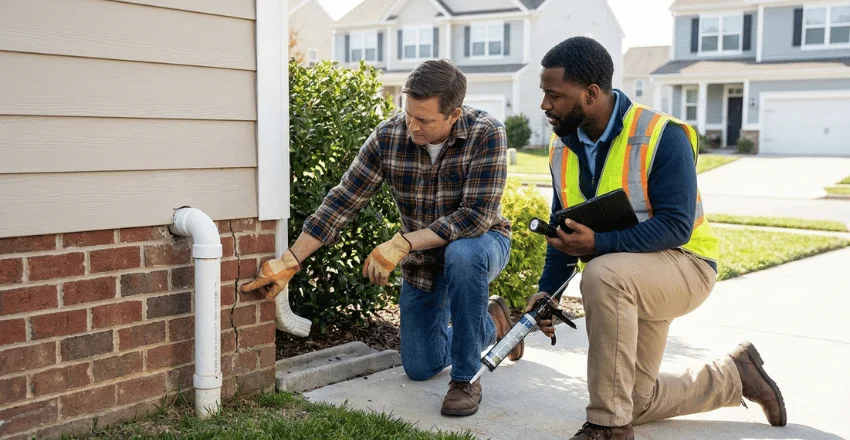
The number a company quotes on the phone is rarely the number you pay. Most give a range for the first visit, then price the rest after a technician has walked the house. That first visit is an inspection plus the initial round of traps.
An inspection fee on its own runs $75 to $150. Plenty of firms waive it if you book the treatment, so ask. That waiver is usually worth more than the discount they offer later.
Rodent exterminator cost by billing model
Pest companies bill three ways, and the difference matters more than the headline range does.
| Billing model | What you pay | Best suited to |
|---|---|---|
| Per visit | $100 to $600 each time | One or two mice, caught early |
| Whole job | $400 to $1,400 flat | An active infestation with a clear end point |
| Recurring plan | $40 to $300 per visit | Prevention after the house is already clear |
Whole job pricing is the safer choice during an active problem. Per visit pricing looks cheap on the phone and stops looking cheap on the fourth callout.
Mice, rats and the price gap between them
Mice work runs $150 to $550. Rat work runs $150 to $600 and reaches the top of the range far more often. Rats are heavier, warier, and stronger. They need larger traps, more of them, and they gnaw openings a mouse could never make.
A rat job in a crawl space with chewed ductwork can pass $3,000 once repairs are counted. Mice are cheaper per animal and worse per colony. Two of them breed fast, so a $200 job in October becomes a $900 job by February.
Trapping without sealing is how you pay twice
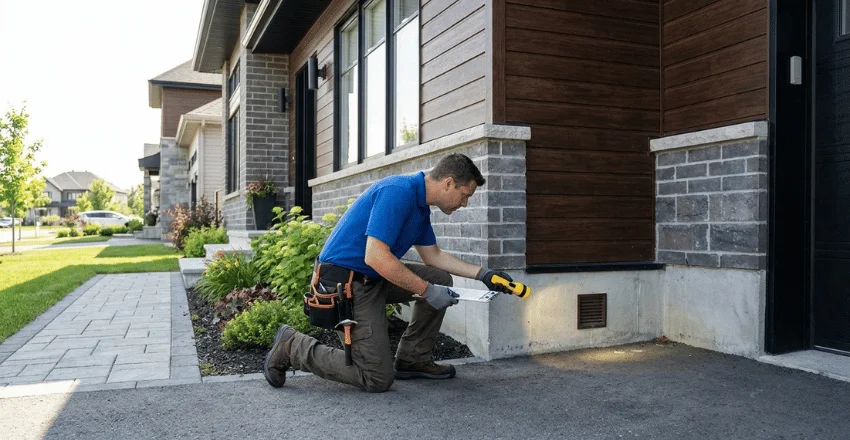
Traps remove the rodents already inside. They do nothing about the opening those rodents used. A mouse fits through a gap the width of a pencil.
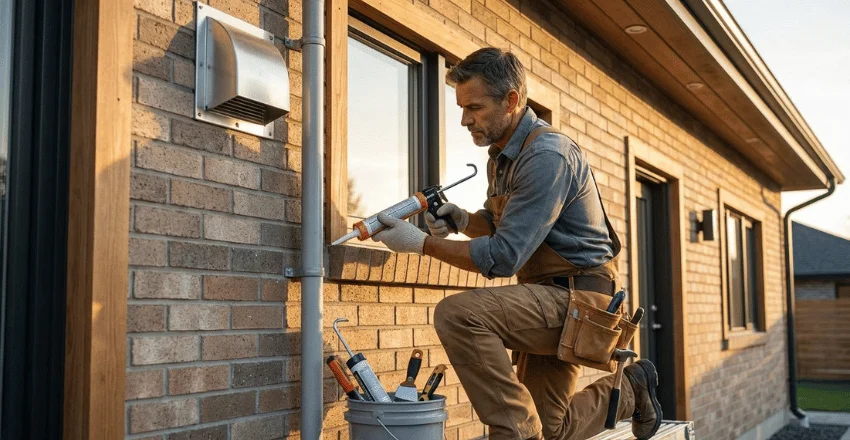
Exclusion work costs $200 to $600 on a typical home. It covers steel mesh over vents, door sweeps, sealed pipe penetrations, and repaired soffits. A company quoting trapping alone is quoting half a job, and the second half arrives as a second invoice.
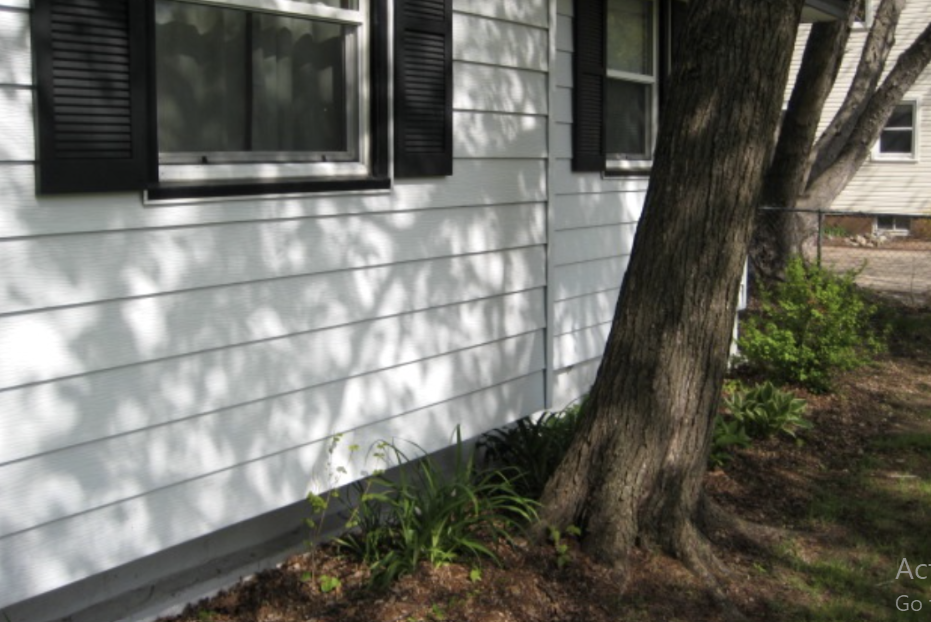
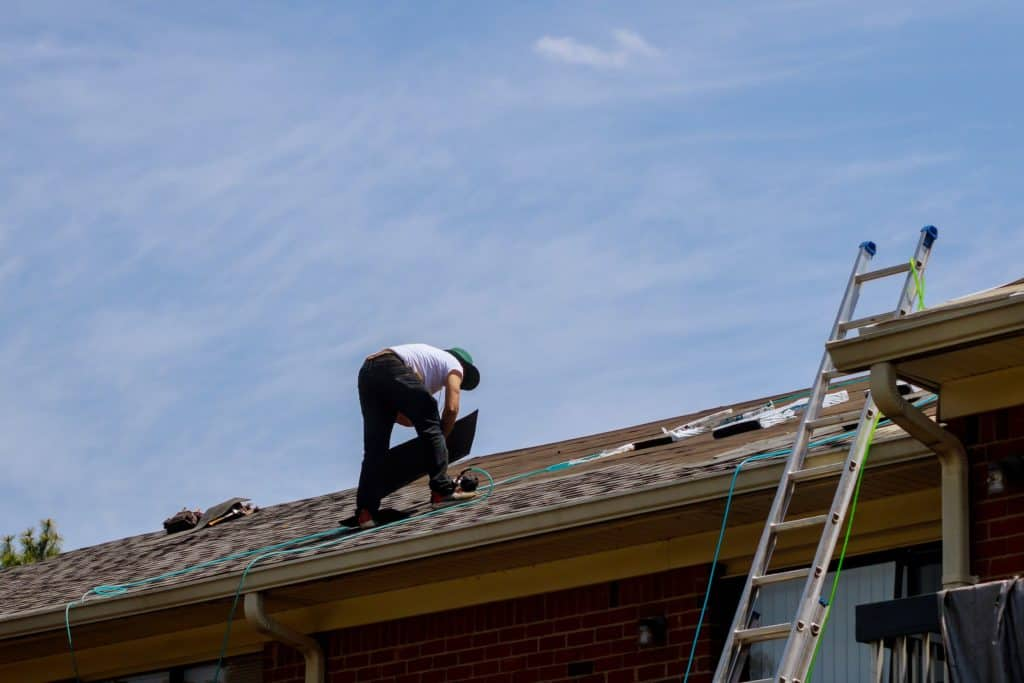
Branches touching the roof are one of the routes rodents use to get up there. Pruning them back and checking how far to plant trees from the house closes an entry path before it turns into a line on an invoice.
Monthly, quarterly, or one-and-done
Recurring plans are what most national brands would rather sell you. Monthly service costs $40 to $75 per visit. Quarterly service costs $100 to $300 per visit, and an annual contract totals $300 to $900. A single one-time visit sits at $100 to $600. Plans earn their keep after the infestation is cleared, not during it. While rodents are still in the house, you want work priced to finish, not a subscription that renews.
What pushes a quote higher?
- Infestation size. Small jobs land at $100 to $500. Large ones reach $1,000 to $7,000.
- Where they nest. Wall cavities and ductwork cost more than a garage floor, because access is harder.
- Home size. Fumigation is priced per square foot, roughly $1 to $3.
- Clutter. A packed garage hides nesting sites and slows the technician down, which is why garage organization ideas pay for themselves before a quote is written.
- Emergency timing. Weekend and holiday callouts add $100 to $200.
Regional swings are real. Cost marketplaces publish city averages for rat work ranging from under $200 in Pittsburgh to around $765 in Atlanta. Metro areas price higher than rural ones, and a single national average buries that whole spread.
Two of those factors sit inside your control. The rest do not.
The bill that arrives after the rodents are gone
Removal is the first invoice. Cleanup is the second, and almost no cost guide shows it. Droppings and urine carry pathogens, and the CDC has reported 890 hantavirus cases in the United States between 1993 and the end of 2023.
Cases are rare. That risk is why a technician prices sanitizing separately, and why nobody should dry-vacuum a contaminated attic. Attic cleanup and disinfecting runs $600 to $1,000. Contaminated insulation costs $2 to $6 per square foot to replace. Chewed wiring and drywall add $75 to $1,200 or more on top.
How to lower the price without gutting the job
Three written quotes are the floor. Prices for identical work vary by hundreds of dollars inside the same zip code, and the cheapest number is usually the one that quietly drops exclusions.
Book before the cold arrives. Rodent calls spike the week temperatures drop, and companies price accordingly. The same habit that helps homeowners save money on home repairs applies here: sealing a gap in October costs less than an emergency callout in January.
Then do the free parts yourself. Cut vegetation back off the walls and move pet food into sealed bins. Clear a path through the attic too, so nobody bills you at $200 an hour to shift boxes.
The checklist your written quote must itemize
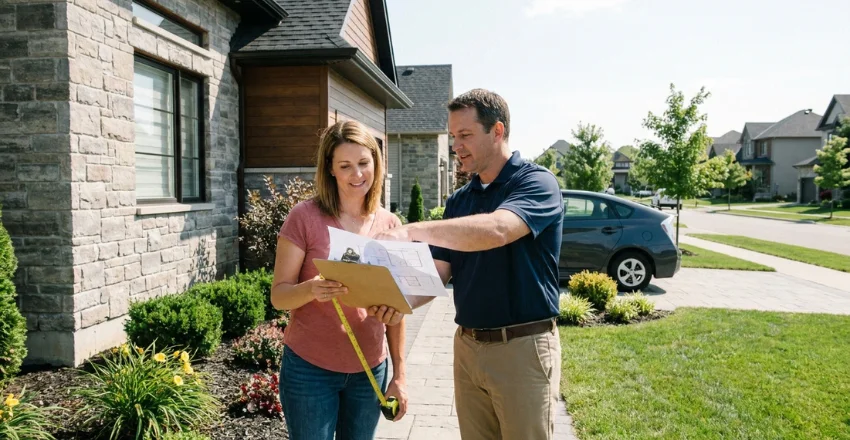
- How many traps or bait stations, and where each one goes.
- How many follow-up visits are included, and what an extra visit costs.
- Whether exclusion work is in scope, and which entry points it covers.
- Cleanup, sanitizing and insulation, priced as separate lines.
- The guarantee period, and what voids it.
Any quote missing one of those five items can grow after you sign it.
Your next step
Get three written quotes and ask each company to price trapping and sealing as separate lines. Then hire the one willing to put a guarantee on paper. The gap you seal this month is the invoice you skip next winter.
Frequently asked questions
Snap traps cost $2 to $10 each and handle one or two mice. Past that, you are treating symptoms. Pros find the entry points, which is what ends the problem for good.
Two to three days for a light case. Several weeks to a few months for a heavy one, counting follow-up visits and the sealing work.
Almost never. Standard policies treat an infestation as a maintenance failure rather than a sudden loss. Some carriers pay for sudden damage from chewed wiring, so read your policy before you assume either way.
Roughly $100 to $600, depending on your market and the pest. Call it $150 to $350 for a typical mouse or rat visit.
They come back if the openings stay open. With proper sealing, most homes stay clear for years.