
Brick can handle decades of weather, foot traffic, smoke, and everyday dirt, but cleaning it calls for more care than many hard surfaces. A brick cleaner should match the stain, the masonry’s condition, and the finish, rather than relying on maximum chemical strength. The right approach can remove grime while protecting the brick face, mortar joints, nearby plants, and painted finishes.
Quick Answer
Choose a cleaner by the stain, not by strength alone. Mild detergent and water suit ordinary dirt, while proprietary masonry cleaners handle mineral deposits, mortar haze, or rust. Pre-wet unpainted brick, test a hidden area, keep the surface wet during treatment, and rinse thoroughly before the cleaner dries.
| Cleaning problem | Good starting approach | Main caution |
|---|---|---|
| Dust and general dirt | Water and mild detergent | Avoid aggressive scrubbing. |
| Mold or algae | Product labeled for masonry and organic growth | Protect plants and follow the label. |
| Efflorescence | Dry-brush first, then use a suitable masonry product if needed. | Find recurring moisture sources |
| Mortar haze | Proprietary cleaner made for the brick type | Avoid unbuffered muriatic acid. |
| Grease or oil | Masonry-safe degreaser | Test for discoloration. |
| Soot | Dry soot sponge or mild cleaning solution | Painted surfaces need extra care. |
| Rust or mineral stains | Stain-specific masonry cleaner | Confirm compatibility first. |
| Painted or whitewashed surfaces | Mild soap and gentle hand cleaning | Harsh products can dull or strip the finish. |
Key Takeaways
- Start with the least aggressive method likely to work, then increase cleaning strength only when needed.
- Identify whether the stain is organic, oily, mineral-based, metallic, or construction residue before choosing a product.
- Test any chemical in a hidden spot and follow the manufacturer’s dilution, dwell-time, safety, and rinsing directions.
- Avoid metal brushes, uncontrolled pressure washing, and improvised strong-acid mixtures.
- Recurring white deposits may point to an ongoing moisture issue rather than a cleaning problem alone.
How to Choose a Brick Cleaner by Stain Type
The stain matters more than the wall color. Dirt, algae, oil, soot, salts, rust, and leftover mortar have different chemical properties, so one solution won’t work equally well on every problem. Industry guidance recommends matching the cleaning procedure to the brick type and using the gentlest effective method.
Ordinary dust and surface grime often need little more than clean water, mild detergent, and a soft or stiff fiber brush. Mineral deposits such as efflorescence and mortar haze may require a proprietary acidic masonry product made for the specific material. Oil, greasy soot, and similar organic contamination often respond better to a compatible detergent or degreaser than to an acid.
Efflorescence and White Deposits
Efflorescence is the powdery or crystalline white material that sometimes appears on masonry as moisture carries soluble salts toward the surface. Light deposits may disappear through weather exposure or gentle dry brushing, while stubborn deposits can require a product designed for masonry. If the material keeps returning, look for the moisture source before repeatedly treating the surface.
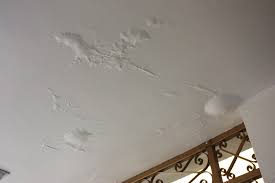
Water entry around walls, flashing, roofs, and adjoining materials can keep supplying the moisture that carries salts. AHomeGuru’s guide to how water leaks can damage a home explains why moisture problems deserve attention before cosmetic repairs. Cleaning the visible deposit without correcting persistent water entry can leave you repeating the same work.
Mortar Haze and Construction Residue
Fresh construction can leave mortar smears, cement residue, or mineral deposits across the masonry face. Manufacturers such as PROSOCO sell buffered masonry products formulated for these deposits, and their directions vary by brick type and contamination level. Always follow the product label and the brick manufacturer’s recommendations instead of guessing and increasing concentration.
Do not attack large hardened pieces with a metal scraper or wire brush. Brick Industry Association guidance favors nonmetallic tools where mechanical removal is needed, followed by an appropriate cleaning method. A test section also lets you spot color changes, streaking, or damage before treating a visible wall.
What You’ll Need Before Cleaning
Gather the equipment before you wet the wall, because pausing halfway through can let a cleaning solution dry on the masonry. Your exact supplies depend on the stain and the product label. Basic residential cleaning usually calls for a short list of supplies.
- Garden hose with a gentle spray setting
- Plastic bucket
- Nylon or fiber-bristle brush
- Masonry-compatible cleaning product
- Chemical-resistant gloves when required by the label
- Safety goggles
- Protective clothing and closed footwear
- Plastic sheeting for sensitive nearby materials
- Clean water for thorough rinsing
- A small hidden area for testing
Read the safety data and label before opening concentrated chemicals. Some masonry products are acidic and can injure skin or eyes, damage metals, or harm landscaping if used incorrectly. Keep children and pets away from the work area until you finish cleaning and rinsing.
How to Clean Brick Safely in 7 Steps
- Identify the stain. Decide whether you are dealing with loose dirt, algae, soot, grease, salts, rust, or mortar residue. Choosing the chemistry before identifying the problem can waste time and increase the chance of surface damage.
- Inspect the masonry. Look for loose mortar, cracks, spalling, paint failure, and fragile older units. Address concerns before introducing water or chemicals.
- Test a hidden section. Apply your planned method to a small inconspicuous area and let it dry fully. A wall can look uniform while wet but reveal streaking or color changes later.
- Pre-wet unpainted masonry when the product requires it. Saturating porous material helps keep some cleaning products near the surface instead of letting them soak deeply into the units. Keep adjacent areas wet as the manufacturer directs.
- Apply the solution exactly as directed. Work in manageable sections and respect the stated dilution and dwell time. Do not let a chemical cleaner dry on the wall.
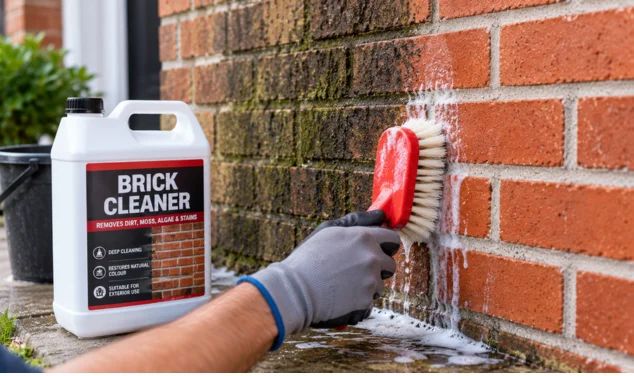
- Agitate gently when necessary. Use a nylon or fiber brush rather than steel or other metal bristles. Let the cleaner’s chemistry do most of the work instead of trying to grind stains away.
- Rinse thoroughly and inspect after drying. Flush away dissolved material and cleaner before the surface dries. Wait until the area is dry before deciding whether another treatment is necessary.
Cleaning Exterior Walls, Patios, and Pavers
Exterior masonry usually collects airborne dirt, algae, mud, plant debris, and waterborne deposits. Start with a garden hose and a compatible detergent rather than assuming a pressure washer is necessary. Small sections are easier to keep wet, clean evenly, and rinse before residue can dry.
Patios and pavers may also collect grease, tire marks, leaf tannins, or rust from furniture and irrigation. These stains often need a product formulated for the contaminant, not more water pressure. Keeping tree debris and moisture under control can also reduce repeated staining around paved areas.
Cleaning Fireplace Brick and Soot
Fireplace surrounds often develop a mixture of dry carbon, oily soot, dust, and smoke residue. Start with dry methods, such as a soot-removal sponge, before using liquid, which can spread dark material through porous masonry. If you need moisture, test a mild cleaning solution and rinse carefully.
Decorative layouts can make detailed cleaning slower because grout lines and joints create more edges and recesses. If your fireplace uses patterned masonry, AHomeGuru’s herringbone pattern guide provides useful context on brick fireplace applications and material selection. Cleaning should protect those joints rather than erode them.
Take Extra Care With Painted or Whitewashed Brick
Paint, limewash, and decorative coatings change the cleaning rules because the finish can fail before the masonry underneath does. Strong chemicals, abrasive pads, and forceful water can create shiny patches, fading, peeling, or uneven color. Begin with mild soap, soft tools, and a hidden test.
Whitewashed surfaces are meant to retain visible texture and a deliberately softer finish. AHomeGuru’s guide to whitewashed brick covers the look, maintenance, and applications of this finish. Treat a coated wall as a painted surface unless the finish manufacturer provides different care instructions.
If you’re cleaning to prepare for repainting, wait until the wall is clean and fully dry before moving forward. AHomeGuru also explains common maintenance intervals and warning signs in its guide to how often you should paint your house. Don’t use paint to hide active moisture damage or unstable masonry.
What Not to Use on Brick

Unbuffered muriatic acid should not be the default household solution for masonry. The Brick Industry Association advises against muriatic acid, even diluted, for routine care and recommends suitable proprietary products instead. Strong acids can also create serious handling risks and can damage masonry when the chemistry or procedure is wrong.
Wire brushes and metal scrapers can scratch surfaces and leave metallic particles that later rust. Aggressive pressure washing can also alter a brick finish or erode weaker mortar joints, especially on older walls. The Brick Industry Association says power washing is better left to professionals who understand masonry when pressure is required.
When a Professional Is the Safer Choice
Professional help makes sense when the wall is historic, badly deteriorated, several stories high, or covered with widespread staining of unknown cause. It also makes sense when previous cleaning has caused discoloration, damaged mortar, or recurring efflorescence. A masonry professional can assess the wall before stronger chemicals or pressure turn a maintenance job into a repair project.
Clean the Stain Without Creating a Repair
Good masonry cleaning starts with diagnosis, not the strongest chemical on the shelf. Identify the stain, begin with the gentlest compatible method, test a hidden section, and protect mortar and surrounding materials throughout the job. If the wall is fragile, historic, high, or already damaged, stop before aggressive cleaning and have a masonry professional inspect it.
Frequently Asked Questions About Brick Cleaner
What is the best brick cleaner for a house?
The right choice depends on the stain and the condition of the masonry, not a single universal product. Mild detergent and water are reasonable starting points for ordinary dirt, while mineral or construction stains may need a proprietary masonry formula. Check the brick manufacturer’s advice and test the chosen method before cleaning a large area.
Can I use vinegar to clean brick?
Vinegar is acidic, so don’t treat it as a harmless, all-purpose choice for every masonry surface. Acid-sensitive finishes, mortar, surrounding stone, and painted surfaces may react differently, especially at stronger concentrations. A labeled masonry product with clear compatibility and dilution instructions gives you more predictable guidance.
Can I pressure wash a brick wall?
Pressure can clean some durable masonry, but incorrect technique may damage the face or erode mortar. A hose, detergent, and brush are safer starting points for many residential jobs. If you need significant pressure, professional masonry-cleaning experience can reduce the risk of permanent damage.
How do I remove white stains from brick?
First, determine whether the white material is loose efflorescence, mortar residue, lime deposits, or another mineral stain. Light efflorescence may respond to dry brushing, while persistent deposits can require a compatible proprietary product. Recurring deposits also justify checking for ongoing moisture movement through or behind the masonry.
Is muriatic acid safe for residential brick cleaning?
Muriatic acid is highly aggressive and should not be treated as a routine homeowner cleaning solution. Current Brick Industry Association homeowner guidance says not to use it, even diluted, and points homeowners toward suitable specialty products. Follow both the masonry manufacturer’s advice and the cleaning product’s safety directions instead.