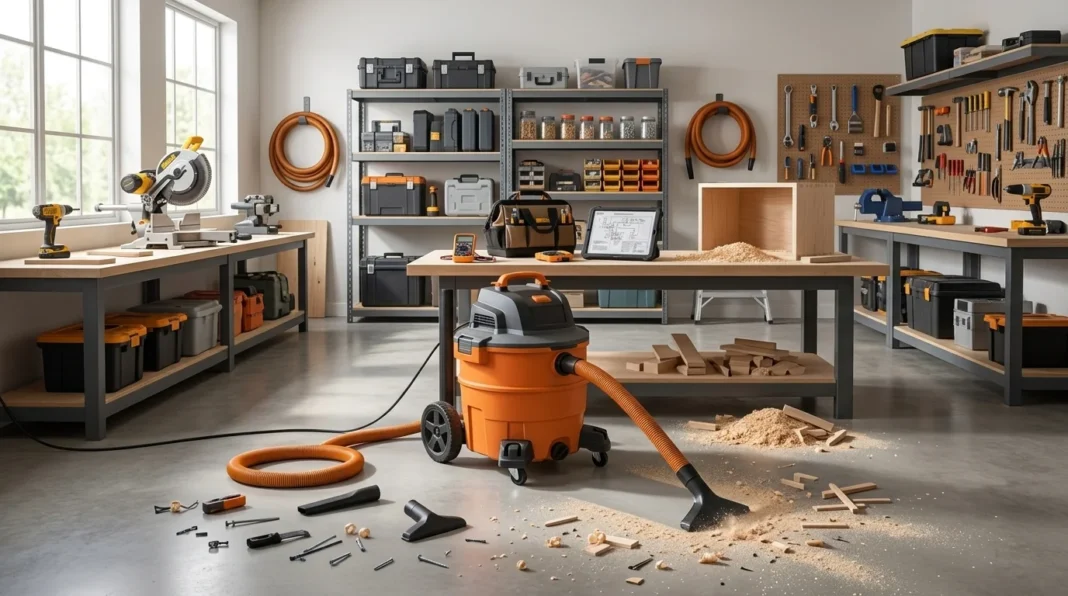

Finding the best shop vac depends on what you clean, how much capacity you need, and where you work. A compact model can handle cars and everyday garage messes. Larger wet/dry vacuums are better for renovation debris, sawdust, water, and demanding workshop cleanup.
For most homeowners, a 5- to 12-gallon wet/dry vacuum offers the best balance. Look beyond peak horsepower and consider airflow, hose size, reach, filtration, capacity, and portability. The right combination makes a bigger difference during everyday use.
Best Shop Vacs at a Glance
| Shop Vac | Best For | Capacity | Power Source | Main Advantage |
|---|---|---|---|---|
| Vacmaster Professional Beast Series | Best overall | 5 gallons | Corded | Strong power in a compact body |
| Stanley SL18116P | Best value | 6 gallons | Corded | Affordable and easy to move |
| Ridgid NXT Wet/Dry Vac | Renovation cleanup | 12 gallons | Corded | Large capacity and rugged design |
| DeWalt Stealthsonic | Wet cleanup | 12 gallons | Corded | Strong suction and quieter operation |
| Milwaukee M18 Fuel | Cordless use | 6 gallons | Battery | Portable without giving up much power |
| Craftsman Heavy-Duty Wet/Dry Vac | Large garages | 16 gallons | Corded | High capacity for bigger jobs |
| Armor All Wet/Dry Utility Vac | Cars and light cleanup | Compact | Corded | Small and easy to store |
Quick Answer
The best shop vac for most homeowners is a compact, powerful wet/dry model with useful accessories and adequate reach. The Vacmaster Professional Beast Series stands out for balanced home use. Larger Ridgid, DeWalt, or Craftsman models make more sense for renovations, frequent woodworking, and high-volume cleanup.
How We Chose These Shop Vacs

This list focuses on models and product families recognized by current tool and home-improvement testing publications. We compared capacity, mobility, suction-related performance, hose reach, power source, filtration, and intended use. Those factors matter more than choosing the machine with the largest horsepower number.
Independent tests also reveal why specifications need context. A wide hose can move sawdust quickly but may produce less concentrated lift for heavy objects. Smaller machines can deliver strong suction while remaining easier to carry and store.
Real-world usefulness mattered throughout the selection. A powerful vacuum becomes frustrating when its hose is short or its accessories scatter around the garage. Storage, wheels, cord length, filters, and tank size all affect how useful the machine feels.
1. Vacmaster Professional Beast Series: Best Overall
The Vacmaster Professional Beast Series is a strong choice for homeowners wanting power without a huge canister. Its compact dimensions make storage easier in crowded garages and workshops. The five-gallon size also remains manageable when you need to carry it.
Current independent testing has praised the Beast Series for strong suction and useful attachments. Its long cord and practical hose length provide good working reach. That combination works well for garages, cars, DIY projects, and routine workshop cleanup.
Pros
- Strong suction for its compact size
- Easy to carry and store
- Useful accessory selection
- Good reach for garages and driveways
- Suitable for wet and dry debris
Cons
- Five-gallon tank fills faster during large projects
- Bigger workshops may benefit from more capacity
This model makes sense when storage space matters as much as cleaning performance. It avoids the bulk of a large canister while retaining enough power for demanding household jobs.
2. Stanley SL18116P: Best Value Shop Vac
The Stanley SL18116P suits buyers who need capable wet/dry cleaning without spending heavily. Its six-gallon tank provides more capacity than tiny portable machines. Casters also make it convenient to move across a garage or workshop floor.
Independent testing found that this model handled sawdust and water effectively for its price class. Its smaller hose also helps create useful suction for screws and similar debris. That makes it a practical choice for general home projects.
Pros
- Affordable compared with premium models
- Six-gallon capacity suits household jobs
- Lightweight and mobile
- Useful attachments included
- Handles wet and dry cleanup
Cons
- Shorter power cord than several competitors
- Less powerful than premium machines
Budget buyers should focus on useful performance instead of impressive-looking specifications. This Stanley offers the features most homeowners need without requiring a professional-tool budget.
3. Ridgid NXT Wet/Dry Vac: Best for Renovation Cleanup
Renovations create a different kind of mess than ordinary household cleaning. Sawdust, wood chips, drywall debris, and larger piles can overwhelm small tanks. A 12-gallon Ridgid NXT model gives DIY renovators more room for those jobs.
Ridgid wet/dry vacuums are known for sturdy construction and practical accessory systems. Larger hoses can move high volumes of light debris quickly. That characteristic is useful after demolition, woodworking, or garage projects.
Pros
- Large tank for substantial cleanup
- Rugged construction
- Good hose reach
- Useful floor and crevice attachments
- Well suited to workshops
Cons
- Larger footprint than compact machines
- More cumbersome for quick household jobs
Good organization also makes workshop cleanup faster. AHomeGuru’s guide to garage organization explains how storage zones can keep tools and cleaning equipment accessible. A designated vacuum location prevents a large machine from becoming another garage obstacle.
4. DeWalt Stealthsonic: Best for Wet Messes
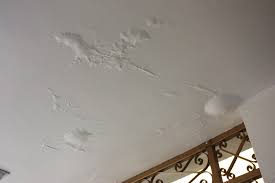
A leaking appliance or plumbing problem can put gallons of water where it does not belong. The DeWalt Stealthsonic 12-gallon wet/dry vacuum provides substantial capacity for those situations. Its design also emphasizes quieter operation than many traditional shop vacuums. For a closer look at this, see Shop Vacuum.
Testing has shown strong performance when collecting both water and dry debris. A long power cord can also reduce extension-cord dependence around garages. Large rubber casters help when moving the vacuum across hard surfaces.
Pros
- Excellent capacity for water cleanup
- Strong wet and dry performance
- Long power cord
- Quieter design
- Stable rolling base
Cons
- Bulky for small storage areas
- Less convenient inside cramped cars
A wet/dry vacuum can help remove standing water, but it does not repair the source. Homeowners should identify and address leaks promptly. AHomeGuru’s guide to preventing home water damage covers the broader risks caused by ongoing moisture problems.
5. Milwaukee M18 Fuel: Best Cordless Shop Vac
Cordless wet/dry vacuums make sense when outlets are unavailable or inconvenient. They are useful around vehicles, outdoor work areas, job sites, and large properties. Milwaukee’s M18 Fuel line brings that freedom to a more capable shop-vac format.
Battery-powered models also eliminate the cord dragging behind you during cleanup. The tradeoff is runtime, especially when operating at maximum power. Owners already using compatible batteries may find the system particularly convenient.
Pros
- No power cord required
- Strong performance for a cordless machine
- Good mobility
- Useful for cars and outdoor work
- Practical onboard accessory storage
Cons
- Costs more than many corded alternatives
- Runtime depends on battery capacity
- Batteries add to the cost for new users
Cordless convenience matters most when you move frequently between work areas. A corded machine remains attractive when maximum runtime and lower purchase cost matter more.
6. Craftsman Heavy-Duty Wet/Dry Vac: Best for Large Garages
Large garages and active workshops generate enough debris to make small tanks inconvenient. Craftsman offers heavy-duty models with capacities reaching 16 gallons. That extra space reduces how often you stop to empty the canister.
A larger machine also suits woodworking and remodeling projects that produce bulky debris. High airflow can clear sawdust and chips efficiently. The tradeoff comes in storage space and portability.
Pros
- Large debris capacity
- Suitable for demanding cleanup
- Strong airflow
- Useful for woodworking
- Fewer emptying stops
Cons
- Requires considerable storage space
- Heavy when filled
- Excessive for occasional car cleaning
Large machines work best when they can remain near the workspace. Homeowners with limited floor space should consider whether extra capacity outweighs the storage penalty.
7. Armor All Wet/Dry Utility Vac: Best for Cars
You do not need a giant wet/dry vacuum for crumbs, sand, and dirt inside a vehicle. A compact Armor All utility vacuum can be easier to carry around seats and door openings. Small dimensions also simplify shelf storage between uses.
These machines suit light household spills and routine vehicle cleaning. Their limited tank capacity becomes noticeable during renovation or workshop jobs. Buyers should view them as portable cleaning tools rather than heavy-duty replacements.
Pros
- Compact and portable
- Easy to store
- Convenient for vehicle interiors
- Handles wet and dry material
- Good choice for occasional use
Cons
- Limited tank capacity
- Not intended for major renovation debris
Choose this type when portability ranks above capacity. A larger model remains the better investment for frequent DIY or workshop cleanup.
What to Look for in the Best Shop Vac
Capacity should match the messes you expect to handle. Small 2- to 6-gallon machines work well for cars, shelves, and quick projects. Capacities around 10 to 16 gallons suit garages, woodworking, remodeling, and water cleanup.
Airflow is another useful performance indicator. It describes how much air the vacuum moves and affects how quickly loose material travels through the hose. Water lift provides another indication of suction performance on demanding material.
Hose diameter changes how a vacuum behaves. Wider hoses can swallow wood chips and larger debris with less clogging. Narrower hoses fit tighter areas and can feel better suited to vehicle interiors.
Reach also deserves attention before buying. Add the hose and cord lengths to understand how frequently you may reposition the machine. Longer reach becomes valuable in two-car garages and driveways.
Filtration matters when collecting fine material. Drywall and sanding dust can pass through inadequate filters and return to the room. Use the filter or collection bag recommended for the specific material you are collecting.
Corded vs. Cordless Shop Vacs
Corded models remain attractive for long cleaning sessions. You get continuous operation without monitoring battery charge. They also tend to provide more capacity and performance per dollar.
Cordless machines offer freedom that corded vacuums cannot match. They work well for quick jobs, vehicles, remote workspaces, and areas without convenient outlets. Their main limitations are battery cost and finite runtime.
Choose based on where the vacuum will spend most of its time. A stationary garage workshop favors corded power. Frequent movement between locations can make cordless operation worth the extra cost.
What Size Shop Vac Do You Need?
A 4- to 6-gallon vacuum covers many homeowner needs. It can clean cars, collect sawdust, handle spills, and remain easy to store. This range is a strong starting point for occasional DIY users.
An 8- to 12-gallon model offers greater flexibility for active workshops. You empty the tank less often and gain capacity for substantial water cleanup. The larger footprint remains manageable in many garages.
A 14- to 16-gallon machine targets frequent heavy cleanup. Contractors, serious woodworkers, and major DIY renovators can benefit from the added capacity. Casual users may find these models unnecessarily bulky.
Shop Vac Safety and Maintenance Tips
Always use the correct filter configuration for the material being collected. Wet pickup may require removing or changing components used for dry debris. Follow the manufacturer’s instructions for your exact model.
Never use an ordinary shop vacuum for hot ash or hazardous materials unless it is specifically rated for them. Fine hazardous dust may require specialized filtration and containment. Standard household wet/dry vacuums are not substitutes for certified hazardous-material equipment.
Empty wet tanks promptly after use. Remaining moisture can create odors and unwanted buildup inside the canister. Let washable components dry fully before storing the machine.
Best Shop Vac FAQ
What is the best shop vac for home use?
The best shop vac for home use usually has a 5- to 12-gallon capacity, practical accessories, and enough reach for your garage. Compact Vacmaster models provide a strong balance for many households. Bigger Ridgid, DeWalt, and Craftsman machines better suit substantial projects.
How many gallons should a shop vac have?
Five or six gallons is enough for cars and routine household cleanup. Ten to twelve gallons offers greater versatility for workshops and renovation projects. Larger 14- to 16-gallon tanks suit frequent high-volume cleanup.
Is higher horsepower always better?
No. Peak horsepower alone does not tell you how effectively a vacuum will clean. Airflow, suction, hose design, filtration, and accessories can matter more during actual use.
Can a shop vac pick up water?
Wet/dry models are designed to collect liquids when configured correctly. You must follow the manufacturer’s instructions before switching from dry to wet pickup. Never assume every household vacuum can safely collect water.
Can I use a shop vac for drywall dust?
You can use a suitable wet/dry vacuum with appropriate fine-dust filtration. Drywall dust is extremely fine and can escape inadequate filters. A compatible collection bag can also reduce filter loading and simplify disposal.
Are cordless shop vacs worth buying?
Cordless models are useful when mobility matters more than unlimited runtime. They are convenient for vehicles, job sites, and quick cleanup away from outlets. Corded models usually remain more economical for long workshop sessions.
Final Verdict: Which Shop Vac Should You Buy?
For most U.S. homeowners, the Vacmaster Professional Beast Series offers an appealing combination of power, portability, and practical capacity. The Stanley SL18116P is a strong budget alternative, while larger Ridgid models better suit renovation work. DeWalt’s Stealthsonic deserves consideration when wet cleanup and lower noise are priorities.
Your workload should make the final decision. Choose capacity for the mess, filtration for the material, and enough hose and cord reach for your workspace. A well-matched wet/dry vacuum will be more useful than an oversized machine chosen from horsepower alone.