
Trees can make a yard feel cooler, calmer, and more beautiful. They give shade, add privacy, and help soften the look of a home. In warm places, trees can also make outdoor areas more comfortable by blocking some of the heat from the sun.
But trees need the right space to grow. A tree that looks small and harmless today can become a much larger problem years later if it is planted too close to the house. The roots can spread, the branches can hang over the roof, and falling leaves can clog gutters. Sometimes the damage happens slowly, so homeowners do not notice it until repairs become expensive.
That is why tree planting distance matters. Before planting, it helps to think about the mature size of the tree, not just how it looks when you bring it home.
Why Tree Placement Matters
A tree is more than what you see above ground. The trunk, branches, and leaves are only part of it. Below the surface, the roots are growing too. Roots need room to spread so the tree can stay strong and healthy.
When a tree is planted too close to a house, those roots may grow near the foundation, driveway, sidewalk, patio, or underground pipes. Not every tree root will destroy a foundation, of course. But roots can create pressure, lift hard surfaces, and make existing cracks worse if they are too close.
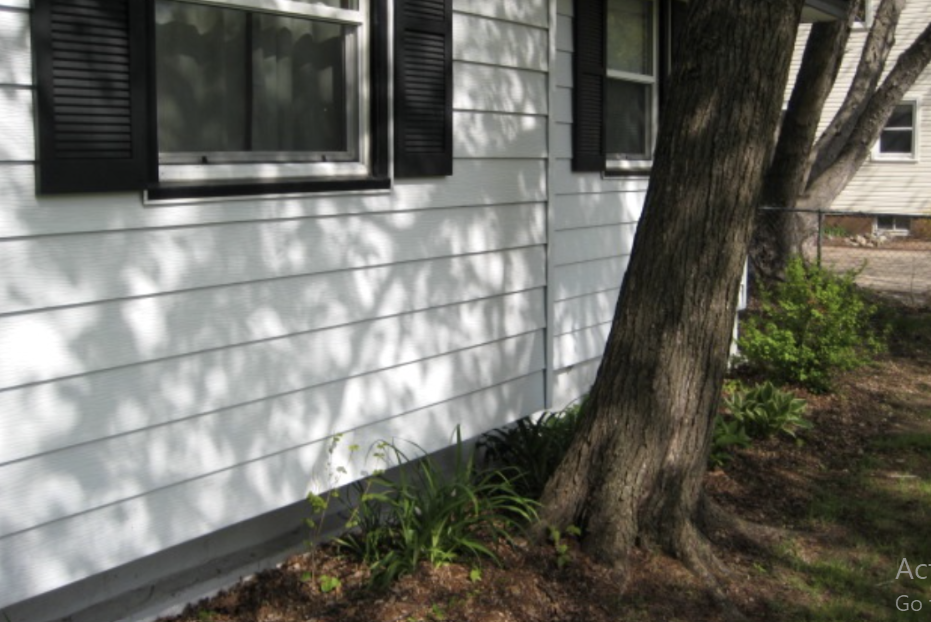
The branches can also become a problem. As the tree grows, limbs may touch the siding, scrape the roof, or hang over gutters. During storms or strong winds, weak branches can break and fall. That can damage roofing, windows, fences, vehicles, or anything else nearby.
So, the main goal is simple. Give the tree enough room to grow without putting your home at risk.
How Far Should You Plant Trees From Your House?
A general rule is to plant trees at least 10 to 20 feet away from your house, depending on the tree size. Larger trees need more space. Smaller trees can usually be planted closer, but they still need room for roots and branches.
Here is a simple guide:
- For large trees that can grow 70 feet tall or more, plant them at least 20 feet away from your house.
- For medium trees that grow under 70 feet tall, plant them at least 15 feet away from your house.
- For small trees that grow up to 30 feet tall, plant them at least 10 feet away from your house.
These numbers are helpful starting points, but they are not perfect for every tree. Some trees have wider canopies. Some have more aggressive roots. Some grow fast and become harder to manage sooner than expected. That is why it is always smart to check the mature height and spread before planting.
Problems Caused by Trees Planted Too Close
Trees planted too close to a home can lead to several issues. Some are minor at first, but they can become serious over time.
One common problem is roof damage. Branches that touch the roof can scrape shingles, especially when the wind moves them back and forth. Over time, this can wear down roofing materials and shorten the life of the roof.
Gutter problems are also common. Leaves, twigs, seeds, and small branches can fall into gutters and block water flow. When gutters clog, water may overflow and run down the side of the house. That can lead to moisture problems around the foundation.
Tree roots may also affect hard surfaces. Driveways, walkways, patios, and retaining walls can crack or lift when roots grow underneath them. This creates both a repair issue and a tripping hazard.
Branches can also rub against siding, windows, and trim. It may not look serious at first, but constant contact can scratch surfaces and create places where moisture or pests can enter.
And then there is safety. Dead or weak branches can fall without much warning. If a tree is already leaning, damaged, or unhealthy, it may become more dangerous during storms.
Think About the Tree’s Mature Size
One mistake many people make is planting based on the tree’s current size. A young tree may look perfect near the house because it is small. But that same tree may become too large after several years.
Before planting, ask these questions:
- How tall will this tree grow?
- How wide will the canopy spread?
- Does it have shallow or aggressive roots?
- Will the branches reach the roof?
- Will it block windows, pathways, or driveways?
- Will it drop a lot of leaves, fruit, or seeds?
Thinking ahead can save a lot of frustration. A tree should fit the space not only today, but also 10, 20, or even 30 years from now.
Where Should You Avoid Planting Trees?
Try not to plant trees too close to foundations, septic systems, water lines, sidewalks, driveways, fences, or power lines. These areas can become difficult or expensive to fix if roots or branches cause problems.
You should also avoid planting large trees directly under utility lines. Even if the tree looks small now, it may grow into the lines later and need heavy trimming. That can make the tree look uneven and may weaken its structure.
Final Thoughts
Trees are a great addition to almost any property, but placement matters. The right tree in the wrong spot can cause roof damage, gutter problems, cracked surfaces, and safety concerns.
As a simple rule, plant small trees at least 10 feet from the house, medium trees at least 15 feet away, and large trees at least 20 feet away. When in doubt, give the tree more space. It is usually easier to plan ahead than to remove or repair damage later.
A well-placed tree can give you shade, beauty, and value for many years. It just needs enough room to grow safely.
This post was written by a professional arborist at Tree Service Company St Petersburg FL. Robert Miller is the owner of Arbor Wise Professional Tree Care, a locally owned and operated tree service company that offers superb lawn care by the most experienced Arborists. Arborwise Tree Services is a tree removal company that offers stump removal, tree pruning, stump grinding, fertilization, and tree restoration. We have an extraordinary lawn care industry notoriety covering the Pinellas county area.