
Patterns are a powerful tool in interior design, and the materials used to create them can greatly influence the atmosphere and overall look of the space. From textiles to ceramics, the choice of materials adds a tactile dimension to patterns, creating depth and visual interest. Modern design trends are embracing a wider variety of materials, combining them in various innovative ways to craft unique, personalized interiors.
Textiles: Soft and Versatile
Textiles are perhaps the most common material chosen for incorporating patterns into interior design. Fabrics such as cotton, linen, wool, and velvet offer endless possibilities for patterned prints—from geometric shapes to floral designs and abstract motifs. Upholstery, curtains, pillows, and rugs are the primary mediums to introduce patterns into space. The tactile softness of fabric provides warmth and comfort, making it ideal for living rooms and bedrooms.
Textiles are also great for layering different patterns, as the variety of weaves and finishes helps to create a multidimensional look. A patterned cotton throw on a neutral wool sofa, for example, can add visual interest without overwhelming the space. When mixing patterned textiles, consider balancing bold patterns with more subtle ones to avoid a busy or chaotic feel.
Wallpaper: Textured and Bold
Wallpaper is experiencing a revival in modern interior design, with advances in materials making it more durable and easier to apply than ever before. Vinyl, grasscloth, and fabric-backed papers are just a few examples of the materials now used to create sophisticated patterned wallpapers. Vinyl wallpapers are particularly popular in bathrooms and kitchens due to their water-resistant properties, while grasscloth wallpapers add an earthy, textured look that’s perfect for creating a natural, organic feel in living spaces.
Patterned wallpaper allows for large-scale designs, making it ideal for accent walls or entire rooms where you want to create a bold statement. When choosing wallpaper materials, consider how texture plays a role in the design—raised patterns, metallic finishes, or embossed surfaces can add a layer of depth and richness that paint simply can’t achieve. Additionally, some wallpapers combine multiple materials, such as paper-backed fabrics, creating intricate, tactile patterns that are both visual and sensory.
Mosaic Patterns: Timeless Craftsmanship
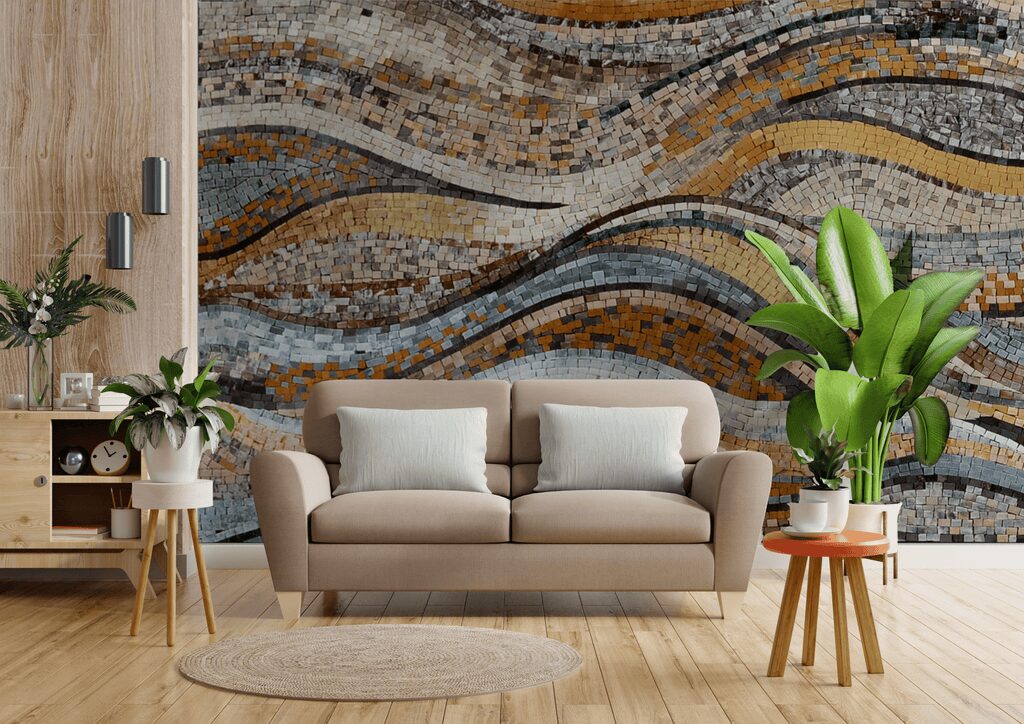
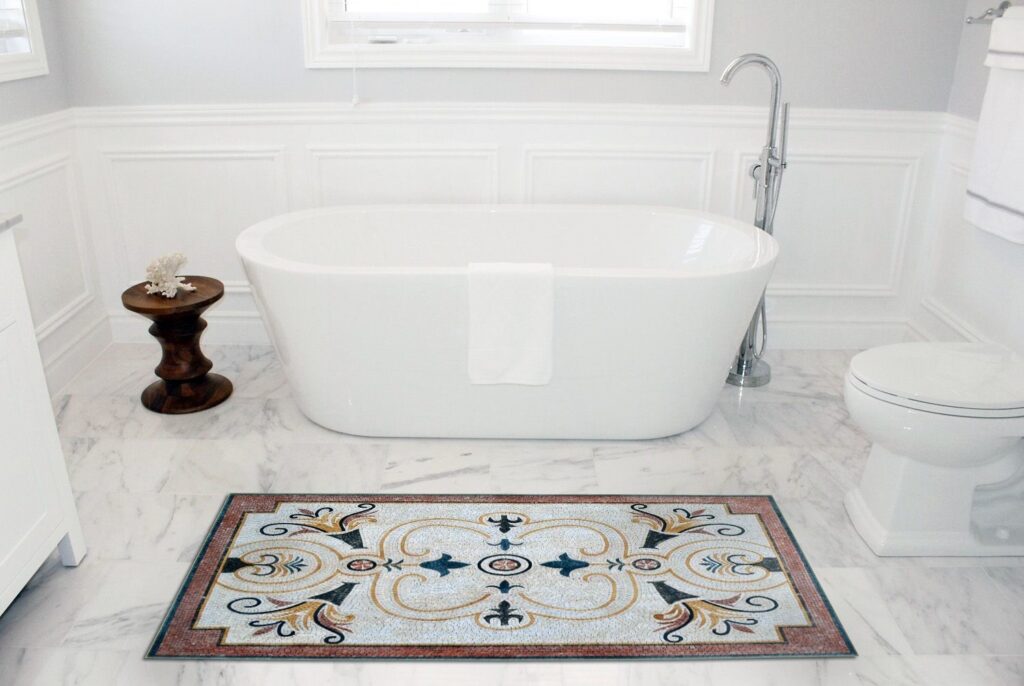
Mosaic patterns hold a special place in interior design due to their artistic complexity and rich history. Mosaic involves assembling small pieces of materials such as glass, stone, ceramic, or metal into detailed patterns and images. In terms of materials, mosaic tile artwork can be made from a wide range of elements—glass mosaics create a shiny, reflective surface perfect for accent walls or bathroom designs, while stone mosaics offer a more earthy, textured look that works beautifully in kitchens or outdoor spaces.
Modern trends in mosaics have shifted towards geometric and abstract designs, with clean lines and neutral tones, though traditional mosaic patterns—such as Mediterranean and Byzantine-inspired motifs—remain popular in more classical settings. Mosaic materials can also be used in smaller accent pieces, like decorative tabletops or mirrors, adding a layer of craftsmanship and intricate detail to a room without overwhelming the design.
Wood: Natural and Timeless
Wood offers a warm, natural material for creating patterns, especially in flooring and wall paneling. Parquet floors, for example, use geometric wooden tiles to form intricate, repeating patterns, such as herringbone or chevron designs. These patterns add an elegant, timeless feel to interiors, combining the beauty of natural wood grain with the structure of geometric repetition.
Wood panels can also be used on walls to create a feature with visual texture. Slatted wood walls, where thin, vertical wooden strips are spaced evenly, offer a contemporary, minimalist pattern that introduces warmth and depth. When mixing wood patterns with other materials, like metal or concrete, you can create a striking contrast between the organic warmth of wood and the sleek coolness of industrial materials.
Stone: Elegant and Luxurious
Stone is another material that can be used to create stunning patterns, particularly in luxury spaces. Marble, granite, and travertine are commonly used for flooring, countertops, and bathroom finishes, often arranged in classic or modern patterns. The natural veining of marble, for example, creates an organic pattern that’s unique to each slab, adding an element of exclusivity and elegance to any space.
Stone can be cut and arranged into geometric patterns, like basketweave or diamond layouts, or laid in larger slabs to showcase its natural beauty. In modern interior design, stone patterns are often paired with metallic accents, such as brass or chrome, for a sophisticated, polished look.
Ceramic Tiles: Durable and Decorative
Ceramic tiles are a versatile and durable material used to create intricate patterns, especially in kitchens, bathrooms, and outdoor spaces. From traditional Moroccan-inspired designs to sleek, contemporary geometric tiles, ceramics provide a hard-wearing surface that’s easy to clean while offering the opportunity to introduce decorative elements into functional spaces.
Ceramic tiles come in a variety of finishes—glossy, matte, or textured—allowing for creativity in how patterns interact with light and texture. They’re perfect for creating striking backsplash designs, shower walls, or even tiled floors. Modern trends are embracing bolder tile patterns, such as mixing hexagonal tiles with minimalist subway tiles, or alternating between matte and glossy finishes for a subtle yet sophisticated pattern play.
Tips for Mixing and Matching Materials
Mixing materials is a key element in modern interior design, allowing you to create rich, layered spaces that feel cohesive yet dynamic. The first tip is to balance natural materials with man-made ones. For example, combining a soft, patterned linen sofa with a sleek, metallic side table or a stone countertop with wood cabinetry creates an interplay between textures that adds depth to a room.
Another important factor is scale—large-scale patterns, such as those on wallpaper or rugs, should be balanced with smaller, more detailed patterns on accessories or fabrics. This prevents one material or pattern from dominating the room. For example, a bold ceramic tile pattern on the floor can be paired with more neutral, textured textiles, like a wool rug or linen cushions, to create balance.
Choose materials that complement your overall design aesthetic. For modern, minimalist interiors, look for sleek patterns in wood, stone, or metal. For a more traditional or eclectic space, experiment with rich textiles, mosaic tiles, and classic ceramic patterns. By considering both the material and the pattern it holds, you can achieve really outstanding looks that will reflect your personality.
Use the promotional code GVPR10 and get a 10% discount on all purchases made from Mozaico website!
Apart from that if you want to know about How to Hide Wires from a Mounted TV then please visit our Interior design Category.