
Stained Concrete Floors
Concrete floors have long been associated with industrial and commercial spaces, prized for their durability and low maintenance. However, in recent years, stained concrete floors have found their way into homes, offices, and retail spaces, celebrated for their aesthetic versatility and artistic appeal. This transformation is mainly due to the myriad colors, patterns, and techniques available, allowing endless customization to suit any design preference. This article delves into the artistic possibilities of stained concrete floors, exploring the diverse colors, patterns, and techniques that make them famous for modern interiors.
| Stained Concrete Floor Types | Acid-Based Stains, Water-Based Stains, Dye Stains, Overlay Staining |
| Cost | $2 to $15 per square foot |
| Tools Required | Concrete cleaner, Stain sprayer or brush, Protective gear (gloves, goggles), Concrete sealer, Polishing pads, Tape/stencils (for patterns) |
| Techniques | Acid Staining, Water-Based Staining, Dye Staining, Overlay Staining, Combination Techniques |
| Contractors inside USA | Sundek (Texas), Concrete Craft (Various States), Elite Concrete Systems (Virginia), Concrete Coatings (Utah), Custom Concrete Solutions (Connecticut) |
| Wikipedia Link | …./wikipedia.org/wiki/Stained_concrete |
Why Stained Concrete Floors Are Gaining Popularity in Modern Interiors
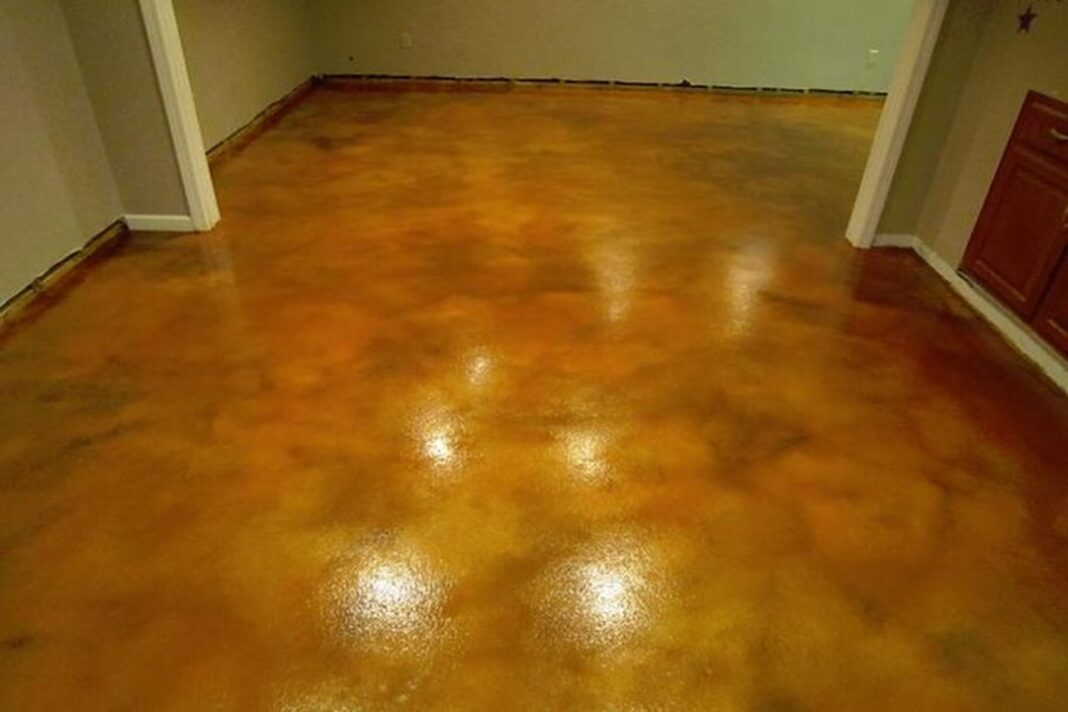
Stained concrete floors combine aesthetic versatility, durability, and affordability, making them a strong choice for both residential and commercial spaces. By applying a stain (either acid- or water-based) to an existing concrete slab, homeowners can transform a plain floor into one with rich tones and subtle character — from earthy, natural shades to more dramatic, decorative finishes. Because the stain penetrates the surface rather than just sitting on top, the color remains permanent and fade-resistant, and when properly sealed, the floor becomes resistant to stains, scratches, and moisture — ideal for high-traffic areas and busy households. The result is a low-maintenance, long-lasting floor that can mimic expensive materials like stone or tile, without the high cost or intensive upkeep.
The Evolution of Stained Concrete Floors
Stained concrete floors have come a long way from their humble beginnings. Initially used in industrial settings for practicality, concrete floors were valued more for function than form. However, the introduction of staining techniques revolutionized their aesthetic potential. Today, stained concrete floors are a staple in residential and commercial design. They are appreciated for their ability to mimic the look of more expensive materials like marble and natural stone while offering superior durability and easy maintenance.
Color Options for Stained Concrete Floors
One of the most appealing aspects of stained concrete floors is the vast array of color options available. From subtle earth tones to vibrant hues, color can significantly impact a space’s overall look and feel.
Natural Earth Tones
Natural earth tones, such as browns, tans, and grays, are famous for stained concrete floors. These colors create a warm and inviting atmosphere, complementing various rustic and contemporary interior styles. Earth tones also have the advantage of aging gracefully, developing a rich patina that adds to their charm over time.
Bold and Vibrant Colors
For those looking to make a statement, bold and vibrant colors can transform concrete floors into a striking focal point. Shades like deep reds, blues, and greens can create a dynamic and modern look, perfect for spaces that aim to impress. These colors can be used to highlight specific areas or features, adding an element of excitement and creativity to the design.
Custom Colors
One of the most compelling features of stained concrete floors is the ability to create custom colors. Custom colors can be matched to existing decor or designed to create a unique aesthetic. This level of customization ensures that stained concrete floors can fit seamlessly into any design vision, providing a truly personalized touch.
Patterns and Designs in Stained Concrete Floors
The patterns and designs available for stained concrete floors are as varied as the color options, offering limitless possibilities for creativity.
Basic Patterns
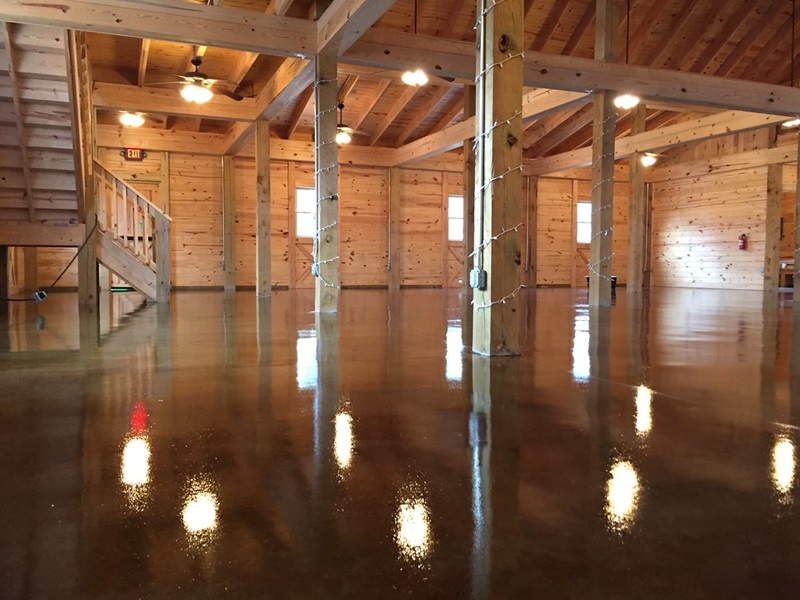
Basic patterns, such as swirls, marbling, and mottling, add depth and texture to stained concrete floors. These patterns are achieved through different application techniques, allowing for a range of effects from subtle to dramatic. Swirls and marbling can create a sense of movement and fluidity, while mottling adds a more organic and natural look.
Geometric Designs
Geometric designs are popular for contemporary interiors, offering a clean and modern aesthetic. Patterns like herringbone, chevron, and grid lines can be created using stencils or tape, resulting in precise and striking designs. Geometric patterns can define spaces, direct movement, or add a touch of sophistication to the floor.
Nature-Inspired Patterns
Nature-inspired patterns bring the beauty of the outdoors inside, with designs that mimic the look of leaves, water, and stone. These patterns can create a calming and serene atmosphere, perfect for spaces promoting relaxation and well-being. Techniques like freehand drawing or using natural objects as stencils can achieve these organic designs.
Custom Designs
For those seeking a truly unique look, custom designs offer endless possibilities. Custom patterns can reflect personal tastes or complement specific themes and motifs. Whether it’s an intricate mandala, a company logo, or a family crest, custom designs ensure that the stained concrete floor becomes a masterpiece.
Techniques Used in Staining Concrete Floors
The techniques used in staining concrete floors are crucial to achieving the desired look and effect. Each method offers distinct advantages and can be chosen based on the project’s specific needs.
Acid-Based Stains
Acid-based stains are one of the most traditional and widely used methods for staining concrete. These stains penetrate the surface and react chemically with the concrete, creating rich and translucent colors. The result is a natural, variegated appearance unique to each floor. While acid-based stains are durable and long-lasting, they require careful handling due to their acidic nature.
Water-Based Stains
Water-based stains are a greener option compared to acid-based stains. These stains offer a broader range of colors, including more vibrant and consistent hues. Water-based stains are also easier to apply and less hazardous, making them popular for DIY enthusiasts and professionals. However, they may achieve a different depth and variation than acid-based stains.
Dye Stains
Dye stains provide intense and vivid colors that can enhance the artistic appeal of concrete floors. These stains penetrate the surface and dry quickly, allowing for intricate designs and detailed patterns. Dye stains are often used in combination with other staining techniques to achieve a layered and dynamic look. However, they are less UV stable and may require additional sealing to prevent fading.
Overlay Staining
Overlay staining involves applying a thin layer of cement-based overlay to the concrete surface before staining. This technique is ideal for damaged or uneven floors, as it creates a smooth and uniform surface. Overlay staining also allows for greater control over the final appearance, with the ability to incorporate textures and patterns into the overlay.
Maintenance and Long-Term Care of Stained Concrete Floors
Proper maintenance plays a key role in preserving the beauty and durability of stained concrete floors over time. Regular cleaning with a pH-neutral cleaner helps prevent dirt buildup without damaging the stain or protective sealer. It is also important to reseal the surface periodically to maintain its resistance to stains, moisture, and wear, especially in high-traffic areas. Avoid using harsh chemicals or abrasive cleaning tools, as they can dull the finish or affect the color intensity. With consistent care and timely resealing, stained concrete floors can retain their vibrant appearance and structural strength for many years.
Conclusion
Stained concrete floors offer a unique blend of durability, low maintenance, and artistic appeal, making them an excellent choice for various applications. With multiple colors, patterns, and techniques, these floors can be customized to suit any design vision. Stained concrete floors provide endless possibilities, whether you’re looking to create a warm and inviting home, a modern and dynamic commercial space, or an artistic and creative installation. By understanding the options and processes involved, you can achieve a stunning and long-lasting result that enhances the beauty and functionality of your space.
ggggggggggggguThat’s it! Are you curious to read an amazing article on Bed in Closet Room Ideas?, then explore our “Interior Design” category.
Frequently Asked Questions (FAQs)
The time required to stain concrete floors depends on the area’s size, the concrete’s condition, and the design’s complexity. On average, the process can take a few days to weeks.
Stained concrete floors can be slippery when wet, especially if they have a glossy finish. Adding a non-slip additive to the sealer or choosing a matte finish can help reduce slipperiness and improve safety.
Changing the color of stained concrete floors can be challenging, as the stain penetrates the surface and becomes part of the concrete. However, it is possible to apply new paint over the existing one or use a concrete overlay to achieve a different color.
They can be slippery when wet, but adding a non-slip additive to the sealer helps improve traction.
Concrete can develop minor cracks over time due to settling or temperature changes, but these are often considered part of its natural character.