
When it comes to kitchen design, every detail matters. One often overlooked but highly impactful element is crown molding for kitchen cabinets. Crown molding is a decorative trim that is installed at the top of kitchen cabinets, adding elegance, style, and a touch of sophistication to the overall aesthetic. In this article, we will explore the benefits, options, and installation process of crown molding for kitchen cabinets, helping you transform your kitchen into a stunning space.
Crown Molding for Kitchen Cabinets
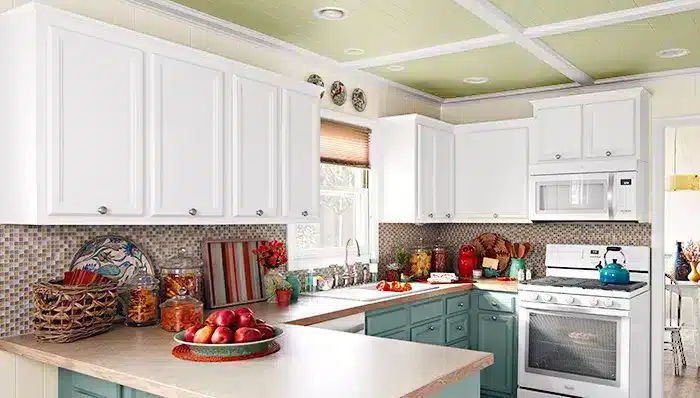
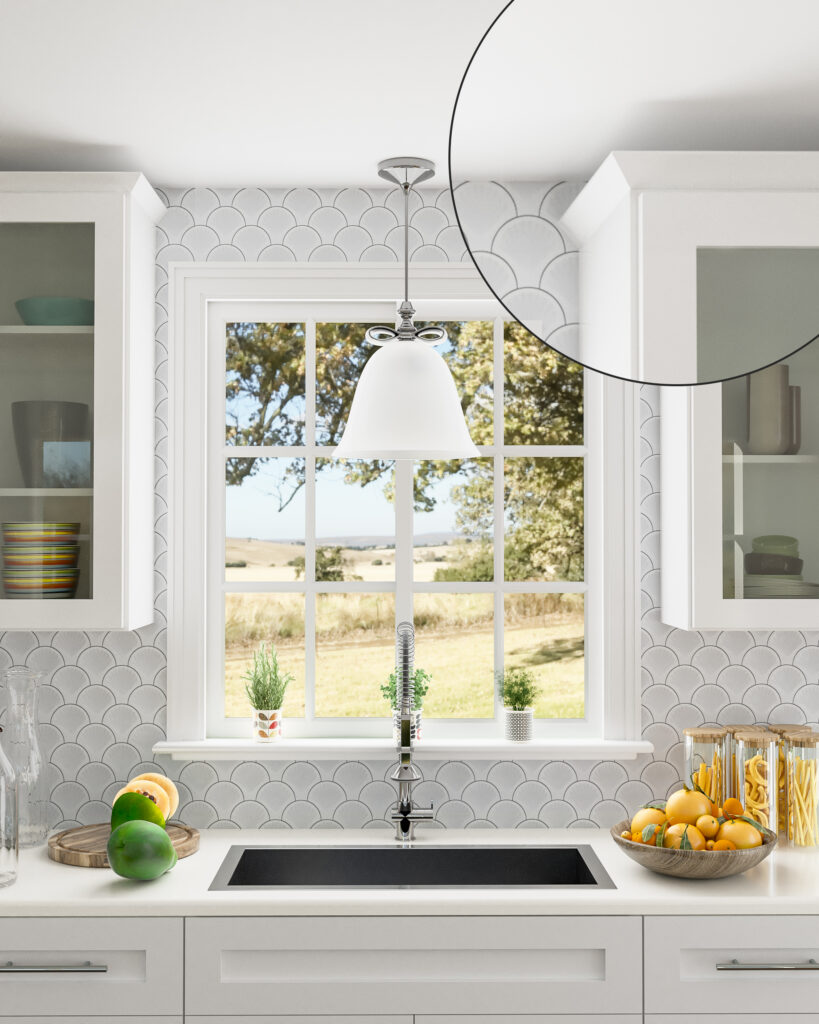
Crown molding for kitchen cabinets is the secret ingredient that can instantly elevate the overall aesthetic of your kitchen. This decorative trim adds a touch of elegance and sophistication to your cabinetry, creating a seamless transition between the upper cabinets and the ceiling. With its intricate designs and architectural details, crown molding brings a level of refinement that is hard to match.
Not only does it enhance the visual appeal, but it also serves a practical purpose by hiding any imperfections and gaps between the cabinets and the ceiling. Whether you prefer a traditional, contemporary, or transitional style, crown molding offers a wide range of options to suit your taste and transform your kitchen into a stunning space.
Why Crown Molding on Kitchen Cabinets Is a Game-Changer
Adding crown molding atop kitchen cabinets instantly elevates the entire kitchen’s aesthetic and architecture. By bridging the space between cabinet tops and the ceiling, crown molding creates a seamless, built-in appearance that makes cabinetry feel custom and complete. Beyond looks, it hides any uneven gaps or imperfections where cabinets meet the ceiling — giving the kitchen a polished, high-end finish. Crown molding also draws the eye upward, enhancing perceived height and spaciousness, which can make even modest kitchens feel larger and more open. With a range of molding styles available — from sleek and simple to ornate and classic — homeowners can tailor the result to suit traditional, modern, or transitional kitchen designs.
The Benefits of Crown Molding
Enhances Aesthetics
Crown molding serves as a finishing touch that elevates the look of your kitchen cabinets. It adds depth and dimension to the upper edges, creating a seamless transition between the cabinets and the ceiling. The intricate designs and architectural details of crown molding bring a touch of luxury and sophistication to any kitchen design.
Hides Imperfections
In older homes or those with uneven ceilings, crown molding can be a lifesaver. It helps conceal gaps, cracks, or inconsistencies between the upper cabinets and the ceiling, providing a smooth and polished appearance. By covering up any imperfections, crown molding presents a neat and cohesive look.
Customization Options
Crown molding comes in a wide range of styles, sizes, and materials, allowing you to choose the perfect match for your kitchen cabinets. Whether your kitchen has a traditional, contemporary, or transitional design, there is a crown molding option available to complement your style. From simple and sleek designs to ornate and elaborate patterns, the possibilities are endless.
Increases Cabinet Height
Installing crown molding on top of your kitchen cabinets can visually extend their height. This effect creates an illusion of taller cabinets, making your kitchen space feel grander and more spacious. If you have standard-height cabinets and wish to make them appear more substantial, crown molding is an excellent solution.
Traditional Crown Molding
Traditional crown molding features intricate and detailed designs, often with ornamental patterns and curves. This type of molding is an ideal choice for kitchens with a classic or formal style. Traditional crown molding can be made from wood, plaster, or composite materials, giving you flexibility in terms of durability and cost.
Contemporary Crown Molding
For kitchens with a modern or minimalist design, contemporary crown molding offers a sleek and clean look. It typically features simpler profiles and straight lines, providing a subtle finishing touch without overpowering the overall design. Contemporary crown molding is commonly made from materials like MDF (medium-density fiberboard) or PVC, which are cost-effective and easy to maintain.
Shaker-Inspired Crown Molding
Shaker-style crown molding combines the charm of traditional and contemporary designs. It features clean lines and minimal ornamentation, reflecting the simplicity and elegance of the Shaker aesthetic. This type of crown molding is often made from solid wood, such as oak or maple, to maintain the authenticity of the Shaker style.
Installation Process
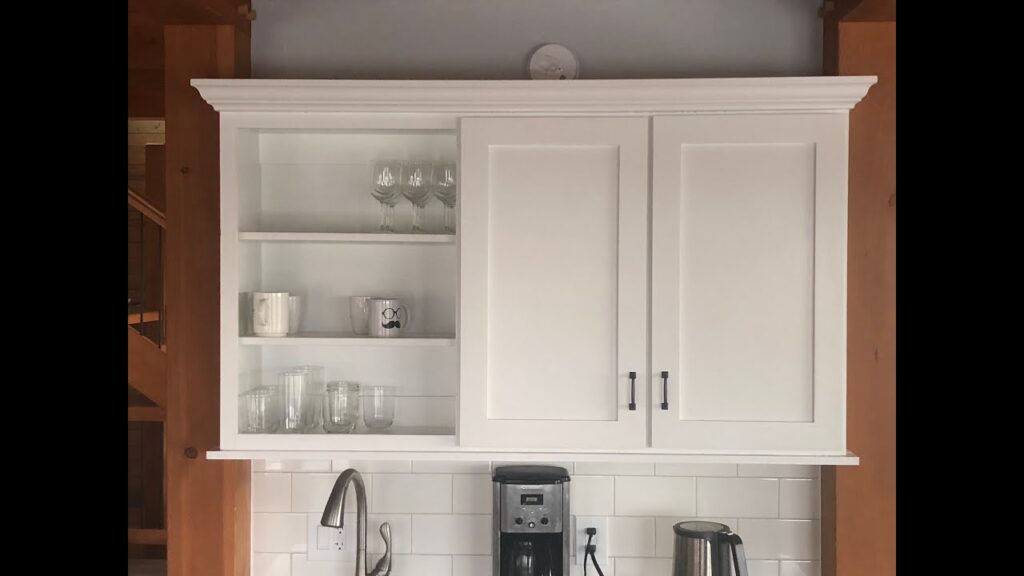
Installing crown molding for kitchen cabinets requires precision and careful planning. Here is a general overview of the installation process:
Measurements: Begin by measuring the length of each cabinet and the angles of the corners where the molding will be installed. Accurate measurements are crucial for a seamless installation.
Cutting the Molding: Using a miter saw or a coping saw, cut the crown molding pieces at the correct angles to fit the measurements taken in the previous step. It’s essential to ensure precise cuts to achieve tight, seamless joints.
Preparation: Sand the edges of the molding to remove any rough spots and create a smooth surface. If desired, you can also paint or stain the molding before installation to match your kitchen’s color scheme.
Installation: Apply a strong adhesive or use finishing nails to attach the crown molding to the upper edges of the kitchen cabinets. Take care to align the molding correctly and ensure tight joints between the pieces.
Finishing Touches: Fill any gaps or nail holes with wood filler or putty, then sand the filled areas for a seamless finish. Finally, paint or stain the molding to achieve the desired look.
Cost Considerations and Return on Investment
The cost of installing crown molding for kitchen cabinets can vary depending on the material, design complexity, and whether the installation is completed as a DIY project or by a professional contractor. MDF and PVC moldings are generally more affordable, while solid wood options tend to be more expensive due to their durability and premium appearance.
Although crown molding is a relatively small upgrade, it can significantly enhance the perceived value of a kitchen by creating a custom-built, high-end look. For homeowners planning to sell their property, this decorative feature can improve buyer appeal and contribute to a more polished and luxurious presentation, making it a worthwhile investment for both aesthetics and resale value.
Conclusion
Crown molding for kitchen cabinets is a small detail that can make a significant difference in the overall look and feel of your kitchen. It enhances the aesthetics, hides imperfections, offers customization options, and visually increases cabinet height. With various styles and materials available, you can find the perfect crown molding to suit your kitchen’s design. By following the installation process or seeking professional help, you can transform your kitchen cabinets into a showcase of elegance and style. Embrace the power of crown molding and elevate your kitchen to new heights of sophistication.
If you want to read an interesting article about it, explore our “Kitchen” category.
FAQs
Crown molding is a decorative trim that is installed at the top of kitchen cabinets. It adds an elegant and stylish touch, enhancing the overall aesthetics of the kitchen.
Crown molding offers several benefits. It enhances the visual appeal of the cabinets, hides imperfections or gaps between cabinets and the ceiling, provides customization options, and creates an illusion of taller cabinets, making the kitchen space feel more spacious.
There are various types of crown molding available. Traditional crown molding features intricate designs, contemporary crown molding offers a sleek and clean look, and Shaker-inspired crown molding combines elements of traditional and contemporary styles.
Crown molding can be made from a variety of materials, including wood, plaster, composite materials like MDF (medium-density fiberboard), and PVC. The choice of material depends on factors such as durability, cost, and desired aesthetics.