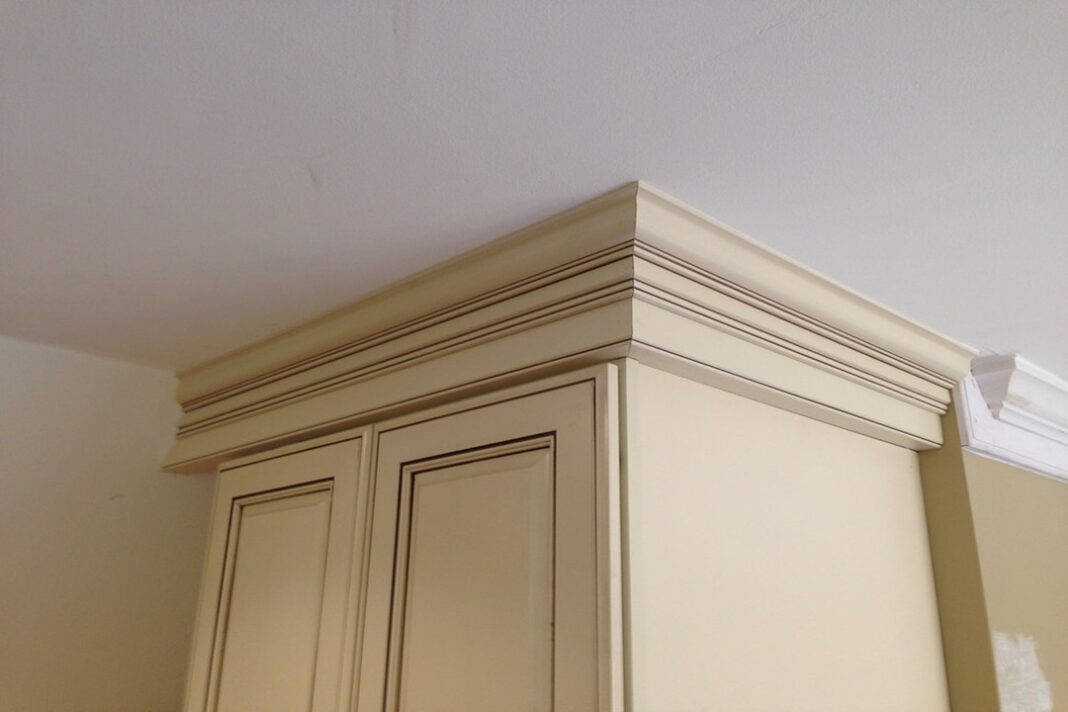

Kitchen Cabinet Crown
Customizing your kitchen is a fantastic way to infuse personality and style into one of the most important spaces in your home. One often overlooked but highly impactful element of kitchen design is kitchen cabinet crown molding. This elegant finishing touch can elevate your kitchen’s aesthetic, adding a layer of sophistication and uniqueness. In this article, we will explore various unique kitchen cabinet crown molding options, offering tips, inspiration, and practical advice for customization.
When it comes to home improvement, the kitchen is often at the top of the list. It’s not just a place to cook and eat; it’s a central hub for family gatherings, entertaining guests, and even working from home. Customizing your kitchen can significantly enhance its appeal and functionality. One key element in this customization process is kitchen cabinet crown molding. This decorative trim adds a polished look to your cabinetry, bridging the gap between the cabinets and the ceiling while offering numerous design possibilities.
| Cabinet Crown Molding Designs | Ornate, Minimalist, Rustic, Modern, Traditional, Coastal, Vintage, Industrial |
| Available Colors | Classic White, Bold Navy Blue, Elegant Black, Vibrant Red, Natural Wood Stains, Soft Pastels, Earthy Tones, Metallic Finishes |
| Cabinet Crown Molding Manufacturers | KraftMaid, Home Depot, Lowe’s, IKEA, Thomasville, Wellborn, Diamond, Aristokraft |
| Material Used | Wood, Medium-Density Fiberboard (MDF), Polyurethane, Reclaimed Wood, Eco-Friendly Materials, Advanced Composites, Lightweight Polymers, Durable Metals |
| Prices | Affordable (8$), Mid-Range (10-12$), Premium (35$-40$) |
| Wikipedia Link | …./wikipedia.org/wiki/Crown_molding |
Understanding Kitchen Cabinet Crown Molding
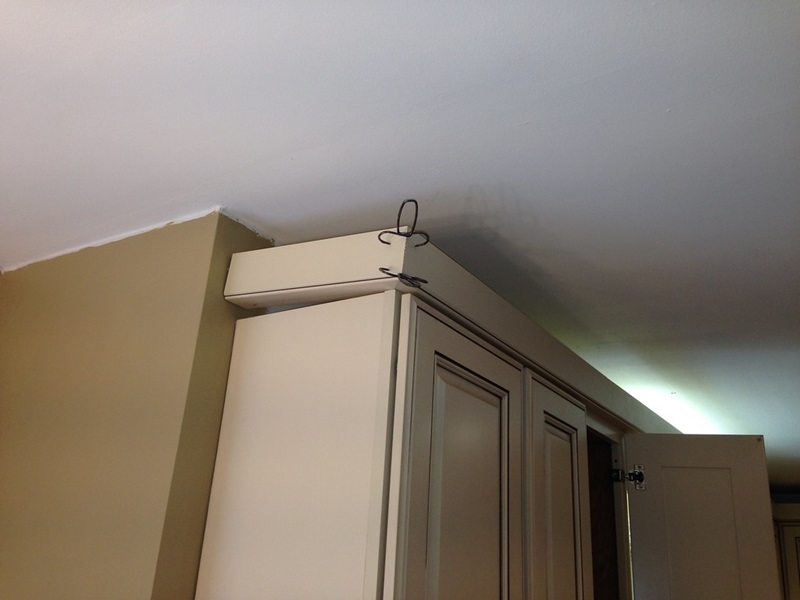
Before diving into the customization options, it’s essential to understand what kitchen cabinet crown molding is and its primary functions. Crown molding is a decorative trim that is installed at the top of cabinets. It serves both aesthetic and practical purposes, providing a seamless transition between the cabinets and the ceiling and hiding any gaps or inconsistencies.
Why Cabinet Crown Molding Elevates Kitchen Style and Feel
Adding crown molding atop kitchen cabinets is a subtle yet powerful way to turn everyday cabinetry into a polished, high-end feature. Crown molding bridges the gap between cabinets and ceiling, creating a seamless, built-in appearance that hides irregularities and gives cabinets a custom, finished look. It draws the eye upward — which not only enhances vertical space but also makes the kitchen feel more open and elegantly proportioned. Available in a wide array of materials and stylistic profiles — from simple, clean lines to ornate traditional designs — crown molding offers flexibility so you can match it to your kitchen’s overall décor, whether modern, rustic, or classic.
Different Types of Crown Molding Materials
- Wood: Traditional and versatile, wood crown molding can be stained or painted to match your cabinets.
- MDF (Medium-Density Fiberboard): A cost-effective alternative to wood, MDF is easy to work with and can be painted in any color.
- Polyurethane: Lightweight and durable, polyurethane molding is resistant to moisture and ideal for kitchens.
Traditional vs. Contemporary Styles
- Traditional: Often more ornate, with intricate carvings and designs.
- Contemporary: Sleek and minimalist, with clean lines and simple shapes.
Customizing with Unique Designs
Customization allows you to reflect your style and preferences in your kitchen. Here are some unique crown molding designs to consider:
Decorative and Ornate Crown Molding
For those who love a touch of elegance and classic beauty, decorative crown molding with intricate patterns and carvings is an excellent choice. It adds a luxurious feel to the kitchen, reminiscent of old-world craftsmanship.
Minimalist and Sleek Designs
If you prefer a modern and clean look, minimalist crown molding is the way to go. These designs focus on simplicity and functionality, with straight lines and unadorned surfaces that complement contemporary kitchen styles.
Mix-and-Match Styles
Combining different styles can create a unique and personalized look. For example, you could pair traditional crown molding with modern cabinetry to create an eclectic kitchen design that stands out.
Color and Finish Choices
The color and finish of your crown molding can significantly impact the overall look of your kitchen. Here are some options to consider:
Popular Colors and Finishes
- Classic White: Timeless and versatile, white crown molding can brighten up your kitchen and match any decor.
- Bold Colors: For a more daring look, choose bold colors like navy blue, black, or even a vibrant red to make a statement.
- Natural Wood Stains: Highlight the natural beauty of wood with stains that bring out its grain and texture.
Techniques for Painting and Staining
- Painting: Ensure a smooth, even coat by using high-quality paint and a fine brush or spray paint.
- Staining: Apply stain with a cloth or brush, and wipe off excess to achieve the desired color intensity.
Coordinating with Existing Decor
When choosing the color and finish for your crown molding, consider the existing color scheme and decor of your kitchen. The crown molding should complement and enhance the overall look, rather than clash with it.
DIY vs. Professional Installation
Deciding whether to install crown molding yourself or hire a professional depends on your skill level and the complexity of the project.
Pros and Cons of DIY Installation
Pros
- Cost savings
- Personal satisfaction and pride in completing the project
Cons
- Time-consuming
- Requires precision and attention to detail
Step-by-Step Guide to Installing Kitchen Cabinet Crown Molding
- Measure and Cut: Measure the length of your cabinets and cut the crown molding to size, using a miter saw for angled cuts.
- Prepare the Surface: Ensure the top of the cabinets is clean and free of debris.
- Attach the Molding: Use a nail gun or adhesive to attach the molding to the cabinets, starting from one end and working your way around.
- Fill and Finish: Fill any gaps or nail holes with wood filler, sand smooth, and apply paint or stain as needed.
When to Hire a Professional
If you’re not confident in your DIY skills or the project is particularly complex, it’s best to hire a professional. Look for contractors with experience in crown molding installation and check their references and reviews.
Enhancing Functionality with Crown Molding
Crown molding can do more than just beautify your kitchen; it can also enhance its functionality.
Crown Molding with Built-In Lighting
Incorporating LED lighting within the crown molding can add a soft, ambient glow to your kitchen, providing both style and practicality.
Incorporating Storage Solutions
Some crown molding designs include hidden storage compartments, perfect for stashing small kitchen items or spices.
Hiding Appliances and Wires
Use crown molding to conceal wires, pipes, and even small appliances, creating a cleaner and more organized look.
Case Studies and Real-Life Examples
Learning from others’ experiences can provide valuable insights and inspiration for your own kitchen customization project.
Conclusion
Customizing your kitchen with unique kitchen cabinet crown molding options can transform an ordinary kitchen into a stunning and functional space. Whether you opt for ornate designs or sleek modern styles, the right crown molding can add character, elegance, and practicality to your kitchen. By understanding the different materials, styles, and installation methods, you can create a kitchen that reflects your personal taste and enhances your home’s overall appeal.
Are you curious to read an amazing article on Crown Molding for Kitchen Cabinets?, then explore our “Kitchen” category.
Frequently Asked Questions (FAQs)
Crown molding serves both aesthetic and practical purposes, providing a decorative trim that bridges the gap between cabinets and the ceiling while hiding gaps and inconsistencies.
If you have DIY skills and the project is straightforward, you can install crown molding yourself. For more complex projects or if you’re not confident in your skills, hiring a professional is recommended.
Popular materials include wood, MDF, and polyurethane. Wood offers a traditional look, MDF is cost-effective and versatile, and polyurethane is lightweight and moisture-resistant.
Consider your kitchen’s overall design and decor. Traditional styles are more ornate, while contemporary styles are sleek and minimalist. Mix-and-match styles can also create a unique look.
Regularly dust and clean the molding with a damp cloth and mild soap. Fill any cracks or gaps with wood filler, and touch up paint or stain as needed to keep the molding looking its best.