
Introduction
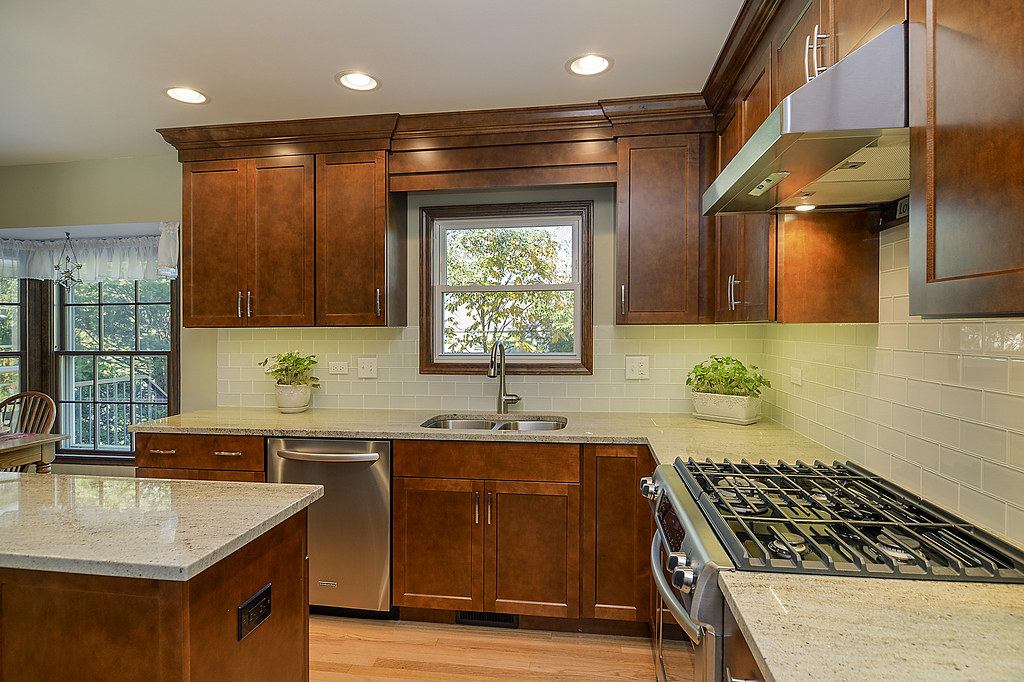
A kitchen backsplash is a functional and aesthetic element in any kitchen design. Among the various options available, subway tile backsplashes are timeless, offering versatility, durability, and a clean, classic look that complements a wide range of kitchen styles. Whether you’re renovating your kitchen or designing a new one, understanding the benefits and design possibilities of kitchen subway tile backsplashes can help you create a beautiful and practical space.
Why Subway Tile Backsplashes Remain a Kitchen Favorite
Kitchen subway tile backsplashes remain a popular design choice for their clean lines, timeless appeal, and versatility across various kitchen styles. Whether used in modern, farmhouse, or traditional kitchens, subway tiles offer a simple yet polished look that complements a wide range of cabinetry, countertops, and color palettes. Their rectangular shape allows for multiple layout patterns, such as classic horizontal stacking or more creative arrangements, making them adaptable to various design preferences. In addition to aesthetics, subway tiles are valued for their practicality, as they are easy to clean and help protect kitchen walls from moisture, grease, and everyday cooking splashes.
Origins of the Subway Tile
Subway tiles trace their roots back to the early 20th century, first appearing in the New York City subway system in 1904. The tiles were initially chosen for their practicality: they were easy to clean, resistant to stains, and reflective, helping to brighten the underground stations. The original design was a 3×6 inch white, glazed rectangle—a look that has endured through the decades.
Why Kitchen Subway Tile Backsplashes Are Perfect?
- Versatility: Subway tiles are incredibly versatile, fitting into almost any kitchen style. Whether your kitchen is modern, rustic, industrial, or traditional, subway tiles can complement the overall design. Their simplicity allows them to blend in or stand out, depending on the grout color and pattern chosen.
- Timelessness: The classic 3×6-inch white subway tile is timeless. It evokes a sense of history while still feeling fresh and current. Unlike some design trends that quickly feel dated, subway tiles have a staying power that makes them a safe investment for those looking to update their kitchens.
- Customization: While the classic white tile remains popular, subway tiles come in various colors, finishes, and sizes. You can find them in glossy or matte finishes, beveled or flat edges, and even glass or marble. This variety allows for customization that can reflect your style.
- Ease of Maintenance: One of the primary reasons subway tiles were chosen for New York’s subway stations is their ease of cleaning. In a kitchen setting, this characteristic is invaluable. The smooth, non-porous surface of glazed subway tiles resists stains and splashes, making them ideal for areas prone to spills and grease.
- Affordable Luxury: Subway tiles offer a luxurious look without the hefty price tag. They are widely available and come in a range of prices, making achieving a high-end look on a budget easy.
Creative Applications and Layouts
While the traditional horizontal brick pattern remains a favorite, there are numerous ways to lay subway tiles for a more creative look:
- Vertical Stacking: Aligning the tiles vertically creates a modern, sleek appearance that can make a kitchen feel taller.
- Herringbone Pattern: Laying the tiles in a herringbone pattern adds visual interest and can be a focal point in a more understated kitchen.
- Diagonal or Chevron Layout: Consider a diagonal or chevron layout for a bold statement. This approach breaks the mold of the classic subway tile look and adds dynamic movement to the space.
- Colored Grout: Choosing a contrasting grout color can completely transform the look of a subway tile backsplash. For example, dark grout with white tiles adds definition and can give the kitchen a more industrial vibe.
Incorporating Subway Tiles in Different Kitchen Styles
- Modern Kitchens: For a sleek, contemporary look, opt for subway tiles in a glossy finish with minimal grout lines. Consider larger tiles or unique colors like black, navy, or metallics to add a modern twist.
- Farmhouse Kitchens: The classic white subway tile paired with darker grout and rustic wood elements creates a cozy, inviting farmhouse feel. Beveled edges or a crackle glaze finish can enhance the vintage charm.
- Industrial Kitchens: Exposed brick, metal accents, and dark grout with matte subway tiles make for an edgy, industrial aesthetic. A herringbone pattern can add a layer of sophistication.
- Eclectic Kitchens: Mix and match subway tile colors or incorporate decorative tiles with patterns. The flexibility of subway tiles allows for creativity in an eclectic kitchen design.
Conclusion
The kitchen subway tile backsplash is a design element that has stood the test of time. Its origins in the practical needs of early 20th-century subway stations have evolved into a beloved design feature that adds form and function to the modern kitchen. Whether you favor the traditional look or want to experiment with patterns and colors, subway tiles offer endless possibilities. Their durability, affordability, and timeless appeal ensure they will remain a staple in kitchen design for years.
Apart from that if you want to know about “Customizing Your Kitchen: Unique Kitchen Cabinet Crown Molding Options” then please visit our “Kitchen” Category.
FAQs
Subway tiles are rectangular, typically 3×6 inches in size, and were initially used in the New York City subway system in the early 1900s. Their clean, classic appearance characterizes them, and they are now widely used in kitchens and bathrooms as backsplashes.
No, while white is the traditional color, subway tiles come in various colors, finishes, and materials. You can find them in shades like black, gray, blue, green, and even glass, marble, or metal.
The grout color depends on the look you want to achieve. White grout gives a seamless, clean look, while dark grout provides contrast and highlights the shape of the tiles. Gray grout is a versatile option that balances subtlety and contrast.
The best grout color depends on the desired look—matching grout creates a seamless appearance, while contrasting grout highlights the tile pattern.
They are popular because they are versatile, timeless, easy to clean, and compatible with many kitchen styles, from modern to traditional.