
In the realm of architectural aesthetics, few materials possess the timeless allure and versatile charm of brick. From ancient civilizations to contemporary urban landscapes, brick has endured as a symbol of durability and architectural finesse. One of the latest trends revitalizing the architectural scene is the artful application of White Washed Brick an ingenious fusion of tradition and modernity that lends spaces a distinctive character.
Understanding White Washed Brick
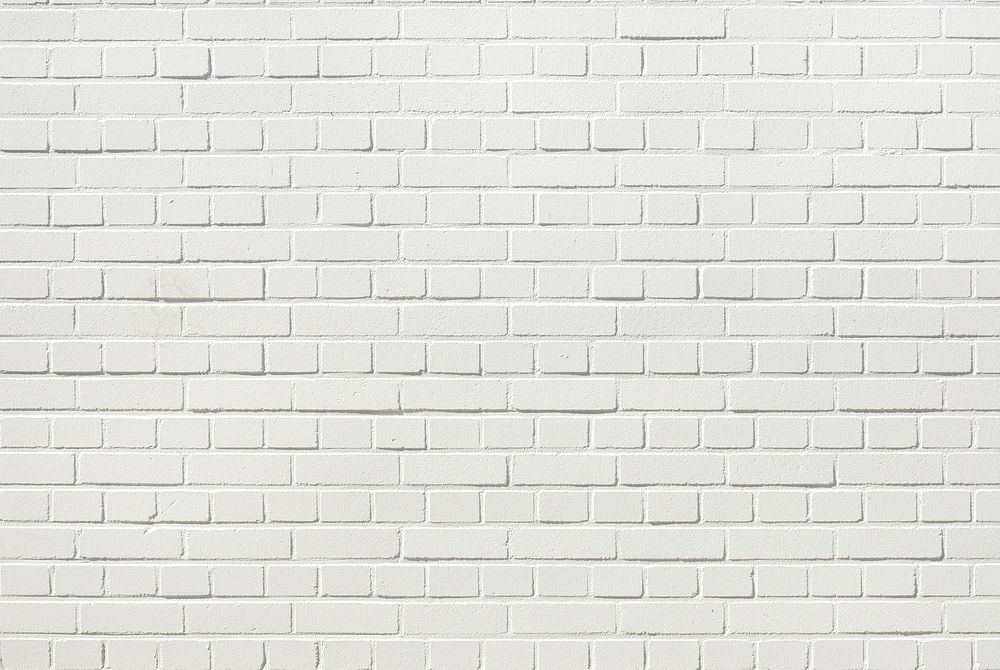
White-washed brick is essentially traditional brick that has been coated with a thin layer of white paint or limewash, altering its appearance while still showcasing the natural texture and warmth of the underlying brick. This technique dates back centuries and has been revitalized in recent years as designers and homeowners alike seek to blend rustic authenticity with minimalist sophistication.
Why Whitewashed Brick Adds Light, Style & Charm to Your Home
Whitewashed brick offers a timeless way to refresh both interiors and exteriors by softening the often harsh or outdated tones of traditional brickwork while preserving its natural texture. The semi-transparent whitewash creates a subtle, weathered look that brightens up space and evokes rustic or farmhouse charm without completely masking the brick’s character. Because whitewashing keeps the masonry’s texture visible, it blends well with a variety of design styles — from cozy cottage and farmhouse to modern minimalist. This understated finish also helps reflect more natural light, making rooms feel airier and more spacious. In short, whitewashed brick combines aesthetic appeal with versatility, offering a cost-effective upgrade that can dramatically elevate the look and mood of a home.
The Timeless Elegance of White Washed Brick
The appeal of white-washed brick lies in its ability to evoke a sense of history and craftsmanship while seamlessly integrating into contemporary design schemes. Unlike its traditional red or brown counterparts, white-washed brick exudes a subdued elegance that complements a wide range of interior and exterior styles. Whether used as an accent wall in a modern loft or as the façade of a suburban home, its understated charm enhances the architectural landscape without overpowering it.
Versatility in Design
One of the standout features of white-washed brick is its versatility. It serves as a neutral backdrop against which furniture, artwork, and decorative elements can truly shine. In interior spaces, it adds depth and texture, creating visual interest without demanding attention. Externally, it can transform the curb appeal of a property, offering a fresh take on traditional brick homes or infusing contemporary structures with a touch of heritage.
Enhancing Light and Space
Another advantage of white-washed brick is its ability to brighten and enlarge spaces. The light-colored finish reflects natural light, making rooms feel airier and more expansive—a valuable asset in urban apartments or cozy cottages. Additionally, white-washed brick pairs effortlessly with various design elements, including wood, metal, and glass, allowing for endless customization options to suit individual tastes.
Maintenance and Durability
Beyond its aesthetic appeal, white-washed brick boasts practical benefits. The protective coating helps shield the underlying brick from environmental wear and tear, extending its lifespan and reducing maintenance requirements. Routine cleaning with mild detergent and water is typically all that’s needed to preserve its pristine appearance, making it a low-maintenance choice for busy households and commercial settings alike.
Environmental Considerations
From an environmental perspective, white-washed brick offers sustainability advantages. Brick itself is a natural material, often made from clay and shale—a far cry from synthetic alternatives. By choosing white-washed brick, homeowners can contribute to sustainable building practices while enjoying the benefits of a durable, energy-efficient material that helps regulate indoor temperatures and reduces reliance on artificial heating and cooling.
Whitewashed Brick Helps Conceal Imperfections While Preserving Character
One of the often-overlooked advantages of white-washed brick is its ability to hide minor imperfections while maintaining the authentic character of masonry surfaces. Small discolorations, weather stains, and variations in brick color become less noticeable under a whitewashed finish, creating a cleaner and more uniform appearance without completely covering the natural texture.
This makes white-washed brick an excellent option for older homes, renovation projects, and interior feature walls where homeowners want a refreshed look while preserving the original architectural character. Its subtle finish also complements changing décor trends, allowing spaces to be updated easily without requiring major structural modifications.
Embracing Whitewashed Brick in Your Space
Whether you’re renovating a historic property or designing a contemporary masterpiece, the versatility and enduring charm of white-washed brick make it a worthwhile investment. Its ability to harmonize with diverse architectural styles and interior décor choices ensures that it remains a favored choice among designers and homeowners seeking to strike the perfect balance between tradition and innovation.
Application Techniques
The application of white washed brick can be achieved through different techniques, each yielding a distinct result. Here are two commonly used methods:
Whitewashing with Paint
This technique involves diluting white paint with water to create a translucent mixture. The diluted paint is then applied to the brick surface using a brush, roller, or sprayer. The paint mixture seeps into the pores of the brick, allowing the texture to remain visible. Multiple coats can be applied to achieve the desired level of coverage and opacity.
Mortar Wash
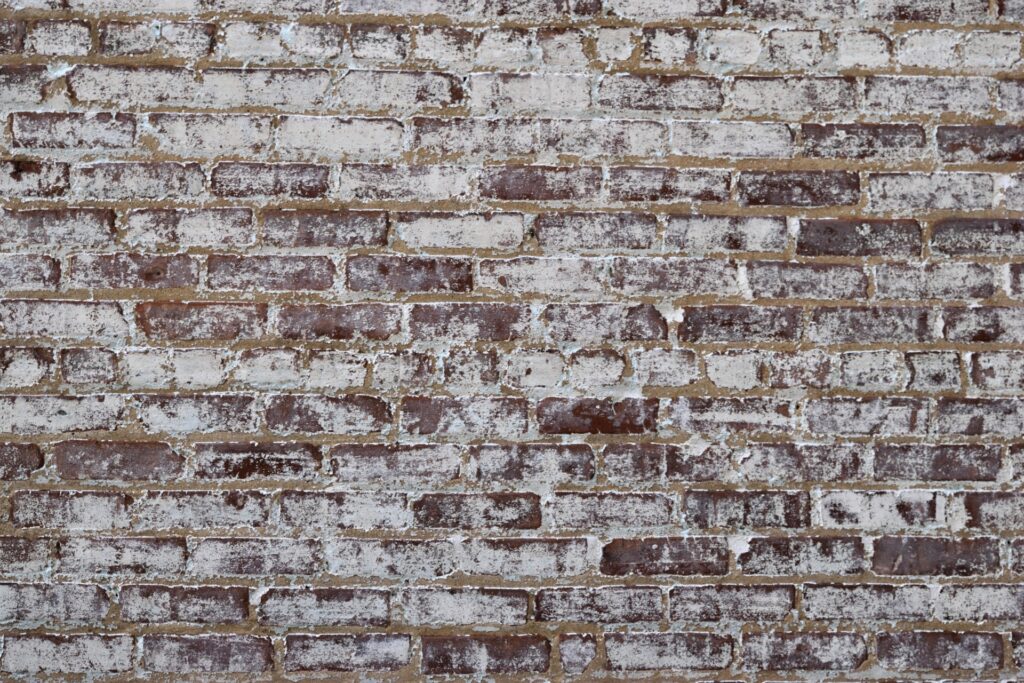
In this technique, a mixture of white mortar and water is applied to the brick using a trowel. The mortar is spread over the brick surface and then wiped away, leaving behind a thin layer that adheres to the recessed areas and mortar joints. This method creates a more textured and aged look compared to paint, as the mortar settles into the brick’s crevices.
Maintenance and Care
White washed brick requires minimal maintenance to preserve its beauty. Regular cleaning with a soft brush or a vacuum brush attachment can remove dust or debris that may accumulate over time. If necessary, a mild detergent solution can be used for more thorough cleaning. It’s important to avoid harsh chemical cleaners or abrasive tools that may damage the white wash or the brick surface.
Thermal and Insulation Properties
Brick inherently possesses thermal mass, which helps regulate indoor temperatures by absorbing and slowly releasing heat. Washed brick retains these thermal properties, contributing to energy efficiency and indoor comfort. In colder climates, its ability to store heat can reduce heating costs by maintaining stable temperatures indoors. Conversely, in warmer climates, its thermal mass helps to keep interiors cooler during hot weather, reducing the need for excessive air conditioning.
Sustainable Choice
Choosing washed brick aligns with sustainable building practices due to its natural composition and longevity. Brick is made from clay and shale, abundant materials that are sourced sustainably and have minimal environmental impact. By opting for washed brick over synthetic alternatives, architects, builders, and homeowners contribute to reducing carbon footprints associated with construction materials. Additionally, brick’s durability and recyclability further enhance its eco-friendly credentials, making it a responsible choice for environmentally conscious projects.
Preservation of Texture and Character
Washing brick preserves its inherent texture and character, making it an ideal choice for those who appreciate the authenticity of natural materials. The gentle application of paint or limewash seeps into the porous surface of the brick, highlighting its unique variations in color and surface irregularities. This not only enhances the visual appeal but also creates a tactile experience that adds warmth and personality to architectural elements. From feature walls to fireplace surrounds, washed brick becomes a focal point that invites admiration and interaction.
Conclusion
In conclusion, white-washed brick stands as a testament to the enduring appeal of classic materials in modern design. Its ability to infuse spaces with warmth, character, and aesthetic finesse underscores its status as a cornerstone of architectural creativity. By embracing the art of white-washed brick, individuals can not only enhance the visual appeal of their surroundings but also create a lasting legacy of timeless elegance and sophistication.
Apart from that if you want to know about “Edgecomb Gray vs. Revere Pewter: Choosing the Perfect Neutral Paint Colors” then please visit our “Decoration” Category.
FAQs
To achieve a white washed effect, a diluted mixture of white paint or limewash is typically applied to clean and dry brick surfaces. The application can vary from a light wash that allows some of the brick’s natural color to show through, to a heavier application for a more opaque finish
WhWhite washed brick is versatile and can be used in a variety of settings. It works well as an accent wall in living rooms or bedrooms, as exterior cladding for homes and buildings, and even as a decorative element around fireplaces or in kitchens.
Whitewashed brick is brick that has been coated with a diluted white paint or lime-based mixture to create a lighter, semi-transparent finish while keeping the brick texture visible.
Whitewashing is semi-permanent. While it can fade over time, it is much harder to fully remove than standard paint.
It can enhance visual appeal and attract buyers who prefer bright, modern, or farmhouse-style interiors.