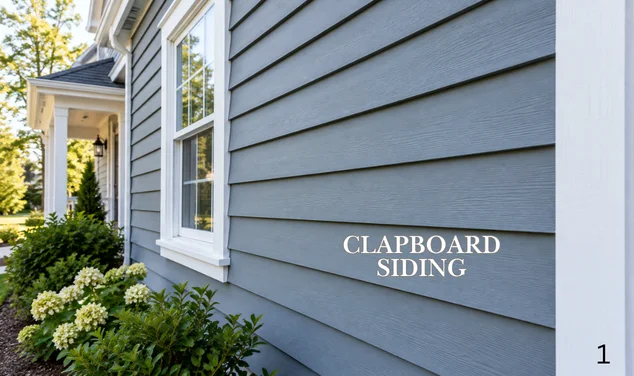

On a house, clapboard siding means long wood boards installed horizontally, with each course overlapping the one below it. The tapered boards create the familiar shadow lines seen on Colonial, Cape Cod, farmhouse, and other traditional American homes. That overlap also helps direct rain down and away from the wall instead of letting water sit against the building.
Traditional versions are real wood rather than vinyl or fiber cement made to imitate the same profile. Pine, cedar, spruce, and other suitable species may be milled into the tapered shape, then painted or stained after proper preparation. For homeowners, the biggest long-term concern is controlling moisture so the boards and protective finish can dry between wet-weather events.
| Clapboard Siding | What homeowners should know |
|---|---|
| Material | Traditionally solid wood |
| Shape | Long board with a thinner upper edge and thicker lower edge |
| Direction | Installed horizontally |
| Wall pattern | Each course overlaps the course below. |
| Main purpose | Exterior weather protection plus architectural finish |
| Common woods | Cedar, pine, spruce, and other exterior-grade species |
| Finish | Usually paint or an exterior-rated stain |
| Main maintenance issue | Keeping water out while allowing the assembly to dry |
| U.S. cost context | Wood material prices can vary widely by species, grade, region, and project. |
Traditional wood lap siding uses long, tapered boards installed horizontally so each course overlaps the one below it. The overlap creates a sloped surface that sheds rain, while the wood provides a classic painted or stained exterior that can last for decades when moisture is controlled and the finish is maintained.
Key Takeaways
- Real wood boards and wood-look siding products are not the same material, even when their profiles look similar.
- The overlapping shape manages surface water, but flashing, housewrap, joints, and trim details still matter.
- Cedar and pine are common choices, with price, appearance, stability, and maintenance differing by grade and species.
- Moisture problems cause many common failures, including peeling finishes, checking, warping, and decay.
- Small isolated damage may be repairable, while widespread rot or repeated coating failure can point to a larger wall problem.
What This Exterior Wood Siding Is and How It Works
The traditional board is thicker at the bottom and thinner near the top. Installers begin at the bottom of the wall and work upward, allowing every new course to cover part of the board beneath it. The result is a slightly angled exterior surface that encourages water to run toward the ground.
The visible portion of each board is called its exposure or reveal. Changing that exposure changes the exterior scale, so narrow reveals often suit older architecture, while wider courses can create a simpler appearance. Historic preservation guidance also treats board dimensions, surface texture, and exposure as important parts of a building’s character.
Don’t Confuse the Material With the Profile
Modern siding terminology can be confusing because manufacturers use words such as lap, bevel, weatherboard, and traditional lap in overlapping ways. A vinyl or fiber-cement plank can reproduce the horizontal appearance without being traditional wood siding. If you are preserving an older house or matching an existing wall, identify both the material and the profile before ordering replacements.
| Exterior product | Typical material | Is wood grain real? | Maintenance pattern |
|---|---|---|---|
| Traditional bevel siding | Solid wood | Yes. | Requires coating and moisture inspections |
| Fiber-cement lap siding | Cement-based composite | No | Lower wood-related rot risk |
| Vinyl lap siding | PVC | No | Does not need exterior painting in most cases |
| Engineered-wood lap siding | Wood-based manufactured product | Partly | Follow the manufacturer’s coating and edge-sealing requirements. |
This distinction matters most during repairs. A replacement board must match thickness, reveal, edge shape, texture, and material if you want the repair to disappear into the existing wall. In historic homes, keeping compatible original material where practical can also preserve architectural character better than covering it with a different product.
Pros and Cons of Traditional Wood Lap Siding
Wood remains appealing because it has natural texture, crisp shadow lines, and a surface you can repaint as a home’s color scheme changes. You can also replace individual damaged boards without removing an entire wall when the surrounding material remains sound. The tradeoff is that real wood asks more from the owner than many manufactured alternatives.
| Advantages | Drawbacks |
|---|---|
| Authentic material for many traditional homes | Needs periodic finish maintenance |
| Can be painted in almost any exterior color | Persistent moisture can cause decay. |
| Individual boards may be repairable. | Insects can damage vulnerable wood. |
| Natural grain and shadow lines | Poor installation can shorten finish life. |
| Well-suited to restoration work | Labor and premium wood grades can raise project costs. |
The deciding factor should be whether you value authentic wood enough to maintain it. Owners who already inspect gutters, trim, caulk joints, paint, and drainage regularly may find the care manageable. Those seeking the lowest-maintenance exterior may prefer a manufactured lap product with a similar visual profile.
Common Woods, Grades, and Finishes
Cedar is popular because it’s relatively lightweight, naturally decay-resistant, and accepts many exterior finishes. Pine can provide a traditional appearance at a different price point, but selection, priming, installation, and moisture protection become especially important. Whatever species you choose, straight boards with appropriate exterior grade and moisture content are easier to install cleanly than unstable material.
Paint gives the most complete color change and hides the grain beneath an opaque film. Stains can leave more wood character visible, depending on whether the coating is solid, semi-transparent, or penetrating. The USDA Forest Products Laboratory stresses that coating performance depends heavily on moisture control and surface preparation, not paint alone.
| Decision | Ask before buying. |
|---|---|
| Species | Is it appropriate for exterior exposure in your climate? |
| Grade | How many knots, defects, or finger joints are acceptable? |
| Surface | Is the face smooth, rough-sawn, or matched to existing boards? |
| Priming | Is it factory-primed, field-primed, or supplied unfinished? |
| Cut ends | What treatment does the manufacturer require after cutting? |
| Finish | Which paint or stain system is compatible with the board? |
Clapboard Cost in the U.S.: What Changes the Final Price
Current national consumer guides show a wide price range because species, grade, wall size, labor, and preparation differ from house to house. Angi’s July 2026 data lists wood siding materials at roughly $2 to $15 per square foot within its cost breakdown, while complete projects can move far beyond material cost alone. Use national figures as budgeting references, not a substitute for local bids.
Removal of old siding, damaged sheathing, window flashing, complicated gables, trim, multiple stories, and finish work can all change a contractor’s quote. Premium lumber and historically accurate dimensions can also increase material costs. Get written estimates that separate demolition, wall repairs, siding, trim, coating, disposal, and any permit-related work so you can compare bids more easily.
Installation Details That Protect the Wood
The boards are only the visible layer of an exterior wall system. A sound installation also needs appropriate sheathing or substrate, a water-resistive barrier, carefully integrated flashing, correct fasteners, and properly detailed openings. This Old House’s installation guidance likewise places housewrap and flashing behind the finished courses rather than relying on the boards alone.
Consistent exposure matters for appearance, but water management matters more for durability. Research from the USDA Forest Products Laboratory has found that limiting water absorption through measures such as back-priming, end-grain protection, and rainscreen construction can improve finish performance. Ask the installer which moisture-management details suit your climate, wall assembly, local code, and selected siding product.
| Installation detail | Why it matters |
|---|---|
| Water-resistive barrier | Provides a drainage plane behind the siding |
| Window and door flashing | Directs water away from vulnerable openings |
| Consistent board exposure | Keeps courses level and visually balanced |
| Correct fastening | Reduces splitting, buckling, and loose boards |
| Protected cut ends | Limits moisture uptake at exposed end grain |
| Drainage and drying space | Helps moisture leave the wall assembly |
Full-wall installation requires careful layout and weatherproofing, so many homeowners choose a siding professional for replacement projects. Small repairs can be more approachable for experienced DIYers, but nearby boards can split when you remove damaged pieces. Matching an older profile can also take more time than the carpentry itself.
Maintenance That Prevents Expensive Repairs
Inspect wood siding as part of your regular exterior-maintenance routine, and again after severe weather. Look for peeling coating, cracked boards, open joints, loose fasteners, soft wood, staining, and places where water repeatedly splashes against the wall. A Home Guru’s guide to how often you should paint your house also explains why exterior coating life changes with surface type and weather exposure.
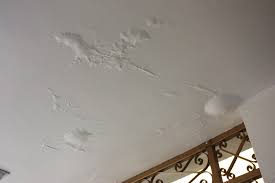
Avoid relying on one repainting interval for every house. The Forest Products Laboratory recommends addressing moisture sources and surface condition before repainting, because another coat cannot solve water entering from behind the siding. If you see repeated blistering or peeling in the same location, investigate gutters, flashing, roof runoff, plumbing, and wall moisture before reaching for a paintbrush.
Moisture control also extends beyond the wall itself. Review A Home Guru’s advice on water leaks and why prevention matters, and keep landscaping from rubbing against the exterior. The site’s guide on how far to plant trees from your house explains how branches can scrape siding and create other maintenance problems near a home.
Repair or Replace: A Practical Decision Test
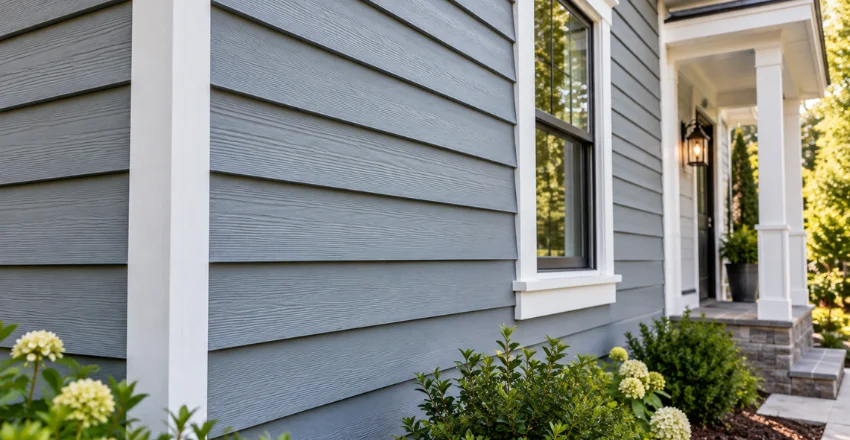
One cracked or rotten board does not automatically mean an entire exterior needs replacement. Local repairs make sense when damage is isolated, surrounding boards remain firm, and you can correct the moisture source. Repeated decay across several elevations deserves a deeper inspection because replacing visible boards without fixing the cause can lead to another failure.
| Condition | Likely next step |
|---|---|
| One split or broken board | Consider a matching board repair. |
| Loose fasteners with sound wood | Refasten after checking the cause. |
| Small localized rot area | Replace affected material and correct moisture source. |
| Peeling paint across one wet area | Investigate drainage or hidden moisture first. |
| Widespread soft or decayed boards | Have the wall system assessed before replacement. |
| Historic profile no longer readily available | Consider custom milling or a carefully matched repair. |
Older houses deserve extra care because original siding may be part of the building’s historic character. The National Park Service recommends evaluating existing wood before deciding that replacement is necessary. When replacement is justified, matching the original work’s visual characteristics helps maintain the building’s appearance.
Is Traditional Wood Lap Siding Right for Your House?
Choose it when natural wood, architectural authenticity, and repaintability matter more to you than minimal upkeep. It can be especially suitable for traditional houses, restoration projects, and additions that need to match an existing wood exterior. A well-detailed wall and a realistic maintenance plan matter as much as the species printed on the lumber invoice.
Think twice if the property has chronic drainage problems or if routine exterior maintenance is unlikely. Persistent wetting can lead to checking, warping, coating failure, and eventually decay, so correct drainage problems before new wood goes on the wall. A siding contractor or qualified building professional can inspect questionable sheathing, flashing, and trim before you commit to a full replacement.
Make the Exterior Decision Based on the Whole Wall
Traditional wood siding succeeds when the board, finish, flashing, drainage, and maintenance plan work together. Choosing attractive lumber while ignoring hidden moisture details can create avoidable repairs later. Before buying material, inspect the existing wall, identify the exact profile, price the complete project, and decide how much ongoing exterior care fits your home.
If you’re repairing an older exterior, start with the smallest intervention that solves the problem and preserves sound material. For a full replacement, compare several detailed contractor proposals rather than comparing board prices alone. That approach gives you a clearer picture of what the finished wall will cost and how it should perform.
Frequently Asked Questions
Is clapboard the same as lap siding?
The terms are often used together, but “lap siding” is the broader description for horizontal boards or planks that overlap. Traditional bevel siding is one familiar wood version of that system. Product catalogs may use the terminology differently, so confirm the material and cross-sectional profile before purchasing replacement boards.
How long can traditional wood siding last?
No single lifespan applies to every house because exposure, species, installation, coating, and moisture conditions vary. USDA guidance notes that wood siding on properly maintained buildings can remain serviceable for long periods, while persistent moisture shortens performance. The useful question is whether the boards stay dry, sound, and protected, not whether they have reached a specific birthday.
How often should the exterior be repainted?
Repaint when the existing coating has weathered enough that it no longer protects the wood, rather than following one rigid calendar. Climate, sun exposure, paint quality, preparation, and moisture conditions all affect coating life. Fix leaks, failing gutters, flashing defects, or trapped moisture before repainting areas that keep failing.
Can I replace a damaged board myself?
An experienced homeowner with the right carpentry skills may be able to replace a small damaged section. The work requires care because removing one piece can crack neighboring boards, and the new material needs to match the existing profile. Larger repairs, hidden rot, historic walls, and flashing problems are stronger reasons to involve a professional.