Choosing between Type L and Type M Copper affects cost, durability, and where your plumbing can legally be installed. Type L vs Type M copper mainly differs in wall thickness, pressure capacity, and permitted applications. For many U.S. homeowners, Type L is the safer all-purpose choice when local requirements are uncertain.
Quick answer: Type L has a thicker wall and greater pressure capacity than Type M. Type M costs less and works for many residential applications where local codes allow it. Choose Type L when durability, broader code acceptance, or concealed plumbing matters more than the initial material savings.
| Comparison point | Type L | Type M |
|---|---|---|
| Identification color | Blue | Red |
| Wall thickness | Thicker | Thinner |
| 1/2-inch wall | 0.040 inch | 0.028 inch |
| 3/4-inch wall | 0.045 inch | 0.032 inch |
| Relative cost | Higher | Lower |
| Availability | Rigid and soft forms | Mainly rigid tubing |
| Typical residential use | Water distribution, remodeling, many concealed runs | Interior water lines where permitted |
| Code flexibility | Generally broader | More dependent on local rules |
| Best reason to choose | More wall material and durability margin | Lower material cost |
Type L vs Type M Copper: What Is the Main Difference?
The most important difference is the amount of metal in the tube wall. Type L has a thicker wall than Type M at every matching nominal size. Both types still use the same outside diameter for a given size.
That shared outside diameter means standard fittings can generally connect to either type of the same size. The thicker Type L wall creates a slightly smaller inside diameter. Type M gains a little more internal space because its wall uses less material.
The Copper Development Association lists 0.040-inch walls for 1/2-inch Type L tubing. Type M measures 0.028 inch at that size. At 3/4 inch, the published figures are 0.045 and 0.032 inches.
Why Wall Thickness Matters in a Home
Extra wall thickness provides more material before corrosion or physical damage can penetrate the tubing. That extra material also increases the tube’s rated pressure capability. These differences matter more when plumbing becomes difficult to access later.
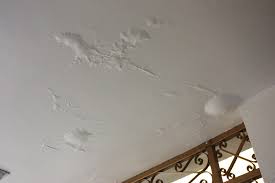
A pipe hidden behind finished walls can make a future leak expensive. The water itself may cause much more damage than the failed section costs. AHomeGuru’s water-leak prevention guide explains several consequences of unnoticed household leaks.
Wall thickness does not guarantee a leak-free installation. Water chemistry, flow velocity, workmanship, fittings, and environmental conditions also affect service life. Installation quality remains important with either material.
Type L and Type M Pressure Ratings
Type L has higher rated pressure capacity because its walls contain more material. Type M still carries ratings well beyond ordinary household operating pressures in common sizes. Temperature and joining methods can affect allowable system pressure.
The practical question is not whether Type M can hold normal household pressure. In many approved applications, it clearly can. The larger issue involves code requirements, corrosion allowance, location, and long-term service conditions.
Homeowners should not choose tubing based on pressure ratings alone. A high laboratory rating does not override local plumbing requirements. Your installation must satisfy the code adopted where the property is located.
Can Type M Be Used for Drinking Water?
Many U.S. jurisdictions allow Type M for potable water distribution. However, acceptance is not uniform across the country. States and municipalities adopt different model codes and may add local amendments.
For example, the International Plumbing Code lists several copper tube types for water service and distribution. UPC-based jurisdictions can apply different restrictions or location rules. Local amendments may make those requirements stricter.
Always check with your local building department before buying material for a major project. This step matters especially for buried, concealed, or permitted work. A licensed local plumber can also identify the requirements applying to your address.
Where Type L Makes the Most Sense
Type L is a strong default for homeowners who value additional wall thickness. It is widely used for residential water distribution and other plumbing applications. It also comes in standard sizes in both drawn and annealed forms.
The annealed form is available in coils for installations that need flexible routing. That option can reduce the number of fittings on some service runs. Type M is normally produced as drawn, straight tubing under common ASTM B88 production standards.
Consider Type L for these situations.
- Interior hot and cold water distribution.
- Concealed plumbing where future access would be difficult.
- Projects where plans or specifications require Type L.
- Locations where Type M is restricted.
- Remodeling where additional wall thickness is worth the higher cost.
- Applications needing annealed tubing in an approved configuration.
Type L can also make sense during a major bathroom renovation. Opening finished surfaces twice is expensive and disruptive. AHomeGuru’s bathtub installation guide shows why plumbing should be tested before walls are closed.
Where Type M Can Make Sense
Type M uses less material, making it lighter and generally less expensive. It can provide sensible value for approved residential distribution systems. The key condition is that the installation must comply with local requirements.
Choosing Type M simply because it costs less can be shortsighted. The savings matter most when the application already suits thinner-wall tubing. Code restrictions or demanding service conditions can erase the benefit.
Type M may be worth considering when.
- Local plumbing rules expressly permit it.
- The planned application matches its approved use.
- The tubing remains reasonably accessible.
- The system operates under ordinary residential conditions.
- Material budget is an important project consideration.
Do not assume red markings mean the tubing is for hot water. Likewise, blue markings do not mean Type L is limited to cold water. The colors identify the tube classifications rather than water temperature.
Pros and Cons of Type L
Type L’s biggest benefit is its thicker wall. That feature gives homeowners a larger material margin against corrosion or minor physical damage. It also makes the product suitable for a wider range of specifications.
Pros
- Thicker wall than Type M.
- Higher rated pressure capacity.
- Broader usefulness across many plumbing projects.
- Available in rigid and annealed forms.
- Greater material allowance before wall loss causes failure.
Cons
- Costs more than Type M.
- Weighs more per foot.
- Slightly smaller inside diameter at the same nominal size.
- Extra capacity may not benefit every permitted residential application.
Type L should not be treated as indestructible. Poor water chemistry can still damage the material over time. Excessive velocity and bad installation practices can also shorten service life.
Pros and Cons of Type M
Type M’s main advantage is economy. It requires less material for each foot of tubing. That difference can reduce costs on larger projects.
Pros
- Lower material cost in many markets.
- Lighter than Type L.
- Slightly larger inside diameter at the same nominal size.
- Suitable for numerous residential applications where permitted.
- Uses the same matching-size fittings as Type L.
Cons
- Thinner wall.
- Lower pressure rating than Type L.
- Less material available to withstand wall loss.
- Local codes can restrict where it is installed.
- Not the best universal choice for every concealed or demanding application.
Homeowners should compare total project risk instead of tube price alone. Labor and wall repairs can exceed the material savings from thinner tubing. Accessibility should influence that decision.
Type L vs Type M Cost: Is Type L Worth Paying More For?
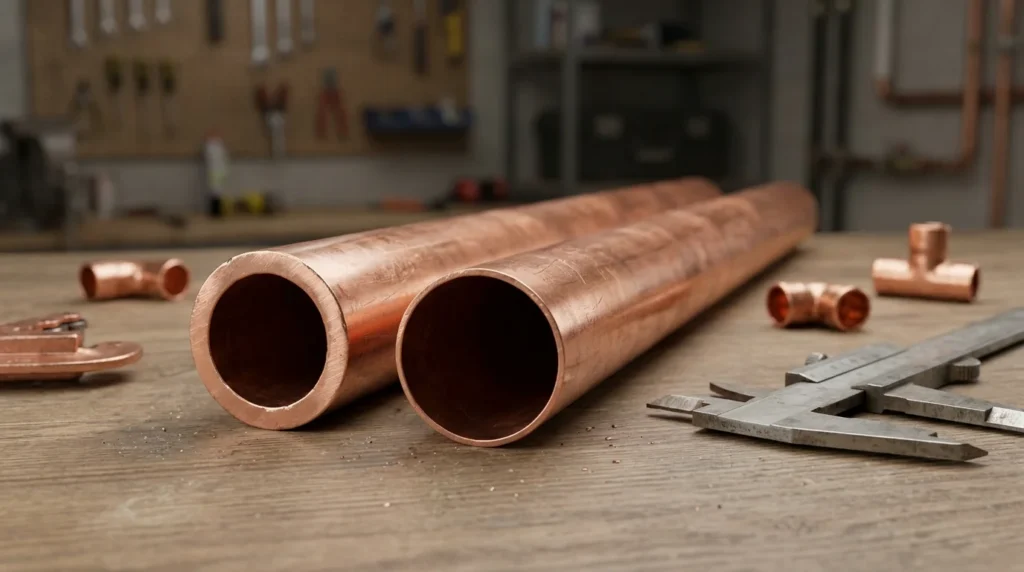
Copper prices change with the commodity market, supplier, diameter, and purchase quantity. Type L generally costs more because each foot contains more metal. Type M uses less material and usually reaches the shelf at a lower price.
For small repairs, the difference may represent a modest part of the total bill. Labor, fittings, permits, and wall repairs often contribute more. A complete repipe makes material differences more noticeable because many feet are required.
Paying more for Type L makes sense when its added wall thickness solves a real concern. It may also be required by the project’s code or specification. Paying extra provides little benefit when an approved Type M installation fully meets the project’s needs.
What About Underground Water Lines?
Do not assume either option is automatically approved for every underground installation. Burial rules can vary by code, tube temper, location, soil conditions, and local utility standards. Some applications may instead call for Type K or another approved material.
The Copper Development Association publishes application recommendations, but local rules still control permitted construction. Underground installations also require attention to soil conditions and physical protection. Proper routing helps reduce the chance of future excavation damage.
Surface drainage should also be managed separately from pressurized water service. AHomeGuru’s French drain guide explains how drainage systems redirect unwanted groundwater. Those systems serve a different purpose from household water-supply tubing.
How to Identify Type L and Type M
Rigid Type L is commonly identified by blue printing along its surface. Rigid Type M uses red markings. By comparison, Type K is commonly marked in green.
ASTM-compliant products also carry identifying information on the tubing. Old markings may fade or become difficult to read after years of service. A plumber can inspect exposed ends or other markings when identification remains uncertain.
Do not identify an old line by color stains or appearance alone. Oxidation can dramatically change the visible surface. Original markings and measured dimensions provide stronger evidence.
Which One Should You Choose?
For many homeowners, Type L is the better default when both choices are available. Its thicker wall provides additional material and broader flexibility. That benefit can justify the added cost in concealed or long-term installations.
Type M remains a legitimate choice when local rules permit it, and the application suits it. Its lower cost can reduce the material budget without changing standard fitting sizes. There is no benefit to buying extra wall thickness when the project does not need it.
Start with your local plumbing code. Then consider accessibility, water conditions, project life, and material cost. AHomeGuru’s plumbing section offers more guidance for related household water projects.
Frequently Asked Questions
Which is better, Type L or Type M copper?
Type L is usually the stronger all-purpose choice because it has thicker walls. Type M can still be suitable for residential plumbing where local rules permit it. The better option depends on installation location, code requirements, and budget.
Can Type L and Type M be connected together?
Matching nominal sizes share the same outside diameter under standard copper water-tube sizing. They can therefore use compatible fittings of the same size when the application permits. The completed installation must still satisfy local plumbing requirements.
Is Type L thicker than Type M?
Yes, Type L has a thicker wall at the same nominal size. For 3/4-inch tubing, published CDA dimensions are 0.045 inch for Type L. Type M measures 0.032 inch at the same nominal size.
Does Type M carry more water than Type L?
Type M has a slightly larger internal diameter at the same nominal size. Its thinner wall leaves more room inside the tube. System sizing should still follow proper plumbing calculations, not this difference alone.
Is Type M copper allowed in every state?
No single answer applies across the entire United States. Model-code adoption and local amendments vary by jurisdiction. Check the city or county rules governing the property’s plumbing work.
Should I replace existing Type M with Type L?
Not automatically. Existing Type M may remain serviceable and compliant for its installed application. Replacement makes more sense when condition, local requirements, remodeling scope, or professional inspection supports it.
Final Verdict
Type L offers thicker walls, higher pressure capacity, and more flexibility across demanding residential projects. Type M offers lower material cost and can perform well in approved applications. For uncertain or hard-to-access installations, Type L is usually the safer choice.
Before opening walls or ordering a large quantity, confirm the locally adopted plumbing code. Ask whether the project’s location changes the permitted tube type. That simple check can prevent failed inspections and costly material changes later.