
Energy loss in your house mostly comes from your windows. Heat pours through glass in summer, causing your air conditioner to run overtime. Warmth exits through windows not adequately covered in winter. The correct window coverings can dramatically lower this energy loss and decrease your monthly expenses by 20 to 30 percent. Selecting the incorrect therapies causes you to pay for comfort you never get.
Not all window coverings work similarly. While some are purely decorative, others successfully block heat. Knowing which qualities truly cut energy costs enables you to invest in window treatments boca raton fl that repay themselves by means of reduced utility bills. The initial expenditure turns into an investment that lowers monthly expenses.
Understanding How Windows Affect Energy Costs
Mostly through windows do South Florida heat get into your house. Direct sunshine greatly increases room temperatures. Your air conditioning works longer and harder to make up. Windows on the west and south sides of your house experience the most strong sun exposure. If these windows lack adequate coverage, they cost you the most.
Radiation, conduction, and air leakage all contribute to heat transmission. Direct sunshine heating things and air inside your house is radiation. Conduction is heat passing across the glass itself. Outside hot air leaking through window gaps is referred to as air leakage. Efficient window treatments cover all three kinds of heat transmission, not just one.
The opposite occurs in winter, albeit this counts less in Boca Raton than in cold regions. Warmth seeps via windows, thereby driving your heating system more. Covering windows isolates air and lowers heat loss. This helps during the few cold nights each year even in South Florida.
Features That Actually Reduce Energy Costs
Seek honeycomb or cellular shades with several air chambers. These hues capture air in their honeycomb structure, therefore insulating your room from the window. One-cell hues provide simple insulation. Double cell shades perform much better. More air pockets improve the insulation value. This approach lowers radiation and conduction really.
Reflective or solar backing on blinds and curtains reflects heat away from your house. In South Florida, light colored or white backing works best. Rather than storing solar energy, it bounces back outside. Dark hues ingest heat and transmit it inside your home, precisely what you do not desire. Professional window installation boca raton will let you choose materials with appropriate reflective qualities for highest energy efficiency.
Tight-fitting window treatments stop edge air leakage. Hot air enters through gaps between your shade or blind and the window frame. Side channels on cellular shades shut borders all entirely. Properly fitted blinds with little gaps operate better than loosely draped coverings. Even the best insulating shade fails if hot air flows around it freely.
Types of Window Coverings and Their Energy Performance
Cellular shades are the most efficient. Honeycomb structure retains air well. Top-down bottom-up arrangements enable you to enjoy privacy and natural light near the ceiling with minimal need for artificial light. Blackout cellular shades block light and heat even more efficiently. Cellular shades can reduce heat gain by 40 to 50 percent on sunny windows.
Solar screens and shades keep heat from reaching your home. Sunlight is filtered through treatments of mesh or fabric, yet you can see through. Solar screens work best on windows that face south- and west. Solar screens reduce heat gain 50 to 70 percent and you can still see outside. They prevent nighttime privacy when lights are burning inside.
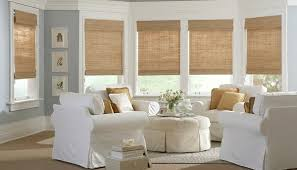
Shutters are a good insulator when shut. Their heavy louvers keep air and block direct sunlight from entering. Adjustable louvers enable you to control light and heat entry throughout the day. Shut them in the middle of the sun. Open them as the sun recedes. High-quality shutters shut. A proper weather-tight seal against window frames, which keeps air from escaping.
Roller shades with thermal backing provide good energy efficiency at an affordable price. Thermal backing reflects heat and fabric blocks light. These are ideal for spaces where you need complete darkness when needed. Blackout roller shades with white backing provide maximum light control and heat blockage.
Window Treatments to Avoid for Energy Savings
Standard aluminum mini blinds don’t do much as far as energy efficiency goes. They block light but don’t insulate. Metal is a heat conductor, so aluminum blinds can actually conduct heat from the window into your room. Inexpensive as they are, they won’t reduce your energy bills by much. If you need window blind repair boca raton services on old metal blinds, it’s a good investment to upgrade to more energy-efficient models instead of repairing what won’t save energy.
Sheer curtains and light drapes are appealing but have minimal energy efficiency. They diffuse the light but not the heat. You can use them for privacy or softness, but don’t expect a decrease in your energy bills. Save the sheer treatments for windows that don’t receive direct sun.
Unlined single layer curtains provide decoration, but not insulation. Heavy material is little use without backing and construction to block heat transfer. Curtains with loose hang and top and side gaps allow heat to go around them. Energy efficiency requires treatments especially designed to block heat transfer.
Layering Window Treatments for Maximum Efficiency
Layer treatments for optimal performance. Install cellular shades for insulation and add curtains for additional insulation and light control. Air space between layers contributes to overall insulation value. This approach works especially well on difficult windows that receive ample sun.
Pair exterior and interior treatments. Exterior solar screens prevent heat from reaching the glass. Interior cellular shades provide additional insulation. The combination can reduce heat gain by 70 to 80 percent on the hottest days. The upfront investment is repaid more quickly in dramatic energy savings.
Automated systems maximize efficiency without constant adjustment. Motorized shades programmed to close during peak sun times keep your windows shaded even if you forget. Smart home integration enables shades to respond to temperature sensors, closing automatically when heat builds up. Convenience improves consistency, which improves savings.
Color and Material Choices That Matter
Light colors reflect more heat than dark colors. White, cream, and light gray shades and blinds reflect solar energy away from your home. Dark colors absorb heat and conduct it inward. If you prefer darker interior designs, choose window treatments with light colored exterior or backing even if the interior facing side is dark.
Thermal fabrics and coatings offer genuine advantages. Some fabrics are woven in a manner that specifically discourages heat transfer. Others include metallic or reflective coatings. These materials cost more than standard ones but offer measurably greater energy performance. The cost difference comes back in the form of lower cooling bills.
Avoid vinyl and thin synthetic materials on sun-exposed windows. They break down faster under intense UV rays common in South Florida. They also provide minimal insulation. Natural materials, cellular shades, and high-quality synthetic blends hold up longer and perform better.
Professional Installation Versus DIY
Proper installation maximizes energy efficiency. Even the very best window treatment doesn’t function properly if it isn’t installed correctly. Gaps in the edges, mounting issues, or improper sizing all reduce efficiency. Professional window repair boca raton installation ensures treatments fit perfectly and function as designed.
Inside mount vs. outside mount affects energy performance. The inside mount is within the window frame, with gaps at the edges. The outside mount extends beyond the frame, with edges better sealed. For best energy efficiency, the outside mount typically performs better as it minimizes air leakage around the treatment.
Custom sizing wins over standard sizes for energy efficiency. Ready-made blinds and shades don’t usually fit exactly. Little gaps here and there combine on several windows. Custom treatments fit perfectly, with no gaps to lose energy through. The higher price is worth it when you figure energy savings over a decade or so of use.
Calculating Your Potential Savings
Windows typically account for 25 to 30 percent of the cooling expenses of Florida households. Reducing the heat gain from windows by 50 percent can decrease your total cooling expenses by 12 to 15 percent. That’s 36 to 45 dollars on a 300 dollar monthly summer electric bill. In one year, you save 400 to 500 dollars or more.
More savings are achieved by addressing problem windows first. West- and south-facing windows with direct sunlight yield the highest return on investment. Treat these windows first, then treat other windows as the budget allows. Addressing high impact windows first accelerates payback.
Add comfort advantages along with the direct savings. Since your AC is making you comfortable without needing to run constantly, you enjoy more comfortable indoor conditions. Reduced temperature fluctuations, less glare, and more uniform comfort can’t be quantified by the dollar amount of savings on your energy bill alone.
Keeping Window Treatments Clean for Continued Performance
Clean window treatments regularly to ensure efficiency. Dust and dirt decrease reflective qualities and insulation value. Clean according to manufacturer instructions. Some treatments may be vacuumed. Others require professional cleaning. Keeping treatments clean allows them to perform as intended.
Check seals and mounting hardware yearly. Loose mounts allow gaps. Worn weatherstripping diminishes insulation. Taking care of small issues immediately helps avoid larger performance losses. Yearly inspection takes very little time but helps keep your energy savings.
Replace aging treatments before they utterly fail. Window treatments do not last forever. The sun in South Florida deteriorates materials over time. When treatments show significant wear, fading, or damage, replacing them restores energy efficiency. Waiting to replace costs you money in the form of higher energy bills while you wait.
Making the Investment That Pays Back
Energy efficient window treatments cost more up front than typical decorative ones. This investment is recouped in the form of lower utility bills month after month. Calculate the payback period by dividing the cost by monthly savings. Most decent energy efficient treatments pay for themselves in three to five years, then continue saving money for years thereafter.
Take advantage of utility rebates if available. Some energy companies offer rebates for energy efficient home improvements including window treatments. Check with your utility provider before purchasing. Rebates reduce your upfront cost and accelerate payback.
Choose window treatments that actually cut down on energy bills instead of merely being ornamental. Beautiful but inefficient treatments waste money every month. Smart choices in features, material, and installation transform windows from energy losers into manageable parts of your home’s climate control. Your comfort is maximized while your energy bills are minimized, and energy efficient window coverings are one of the smartest investments you can make in your Boca Raton home.