
How To Keep Deer Out Of Your Yard?
Born in Mumbai in 1980, John Doe has spent over 20 years studying wildlife and garden management, leaving a legacy of practical solutions for homeowners. Understanding animal behavior, he has shared detailed methods on how to keep deer out of your yard, helping thousands protect gardens and fruit trees.
With strategies like 8-foot fencing, motion-activated sprinklers, and seasonal planting, his work combines science and practicality. His guide highlights costs ranging from $5–$15 per foot for fencing and $10–$100 for devices. This article provides a follow-up on how to keep deer out of your yard, offering clear, tested steps for adequate yard protection.
| Basics | Key Points |
| Entry Points | Check low fences, gaps, and dense shrubs. |
| High-Risk Zones | Map areas near gardens and trees. |
| Fencing | 8 ft tall, secure, temporary, or permanent. |
| Plant Protection | Wire mesh around young plants. |
| Motion Devices | Sprinklers, lights, and alarms to startle deer. |
| Device Placement | Cover high-activity areas, especially at night. |
| Repellents | Garlic, soap, and hot pepper sprays. |
| Reapplication | After rain or watering. |
| Landscaping | Deer-resistant plants, thorny/scented shrubs. |
| Remove Food | Clear fallen fruit, trim bushes. |
| Costs | Fences $5–$15/ft, devices $30–$100, sprays $10–$20/mo. |
| Maintenance | Inspect fences, trim plants, refill devices. |
| Seasonal | Adjust deterrents by season and food availability. |
| Seasonal Plants | Rotate deer-resistant plants accordingly. |
How To Keep Deer Out Of Your Yard? A follow-up Guide
Assess Your Yard and Identify Entry Points
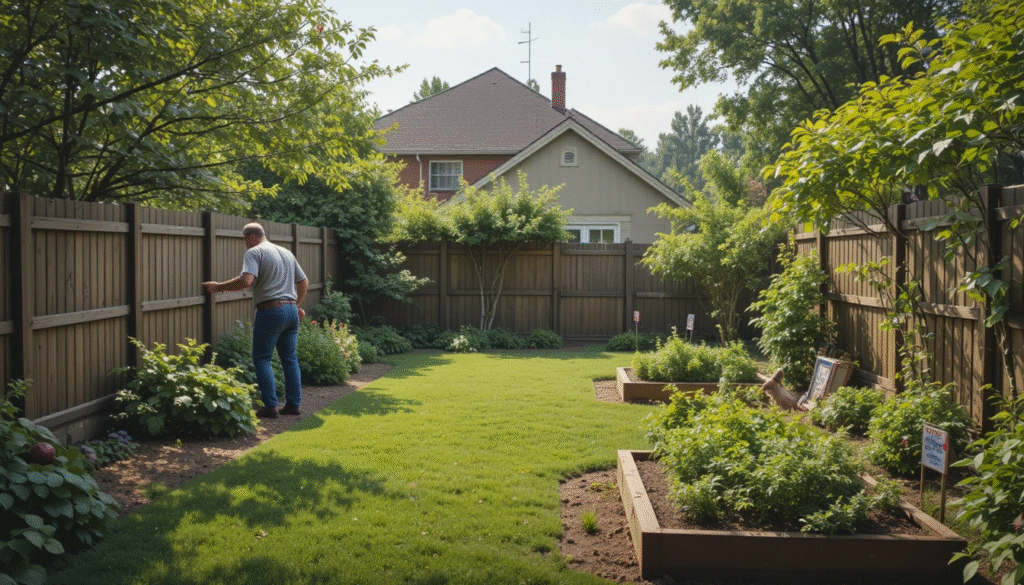
Start by thoroughly inspecting your property to identify where deer are most likely to enter. Look for low fences, gaps under walls, or dense shrubs that can serve as cover. Check areas near gardens, fruit trees, and vegetable beds. By mapping these high-risk zones, you can plan effective prevention measures. Understanding deer behavior and access points is the foundation for keeping your yard safe from damage.
Use Physical Barriers to Prevent Access
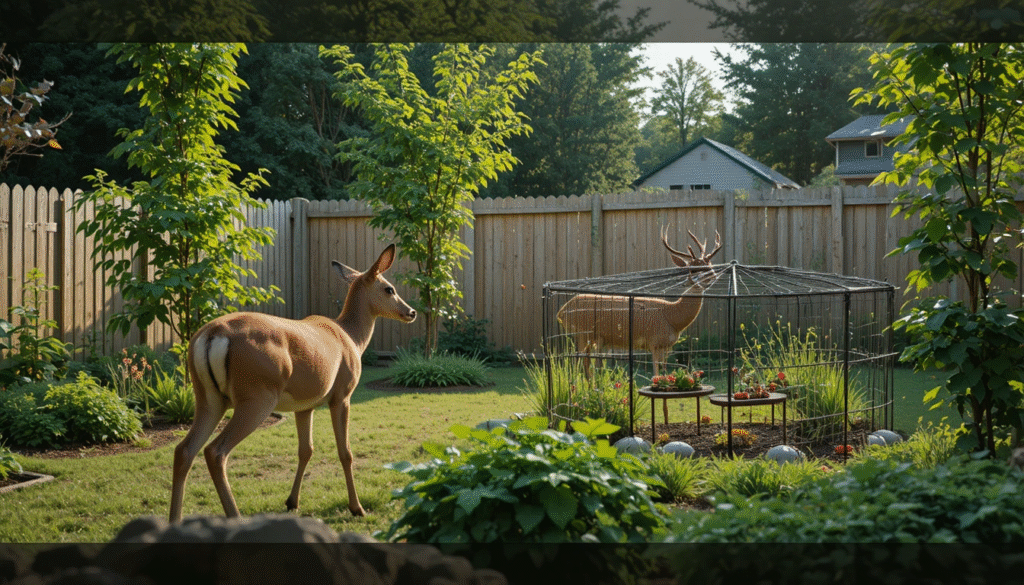
When addressing how to keep deer out of your yard, installing strong fencing is highly effective. A fence around 8 feet high prevents deer from jumping over. Wire mesh cages around young trees or vegetable plants protect them from nibbling. Even temporary barriers work for small gardens. Ensuring that fencing is secure and difficult for deer to push through significantly reduces yard intrusion and keeps plants intact.
Deploy Motion-Activated Deterrents
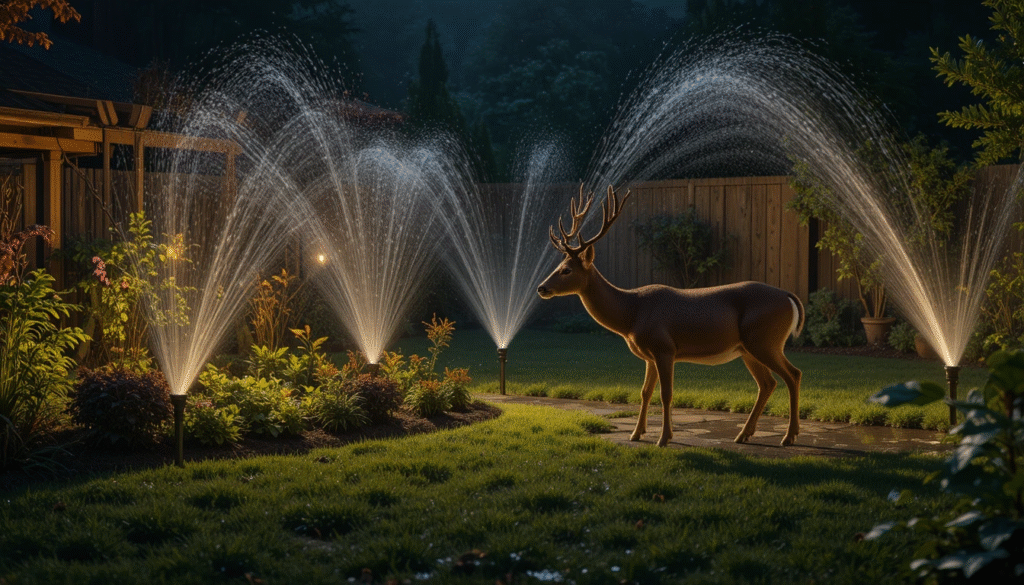
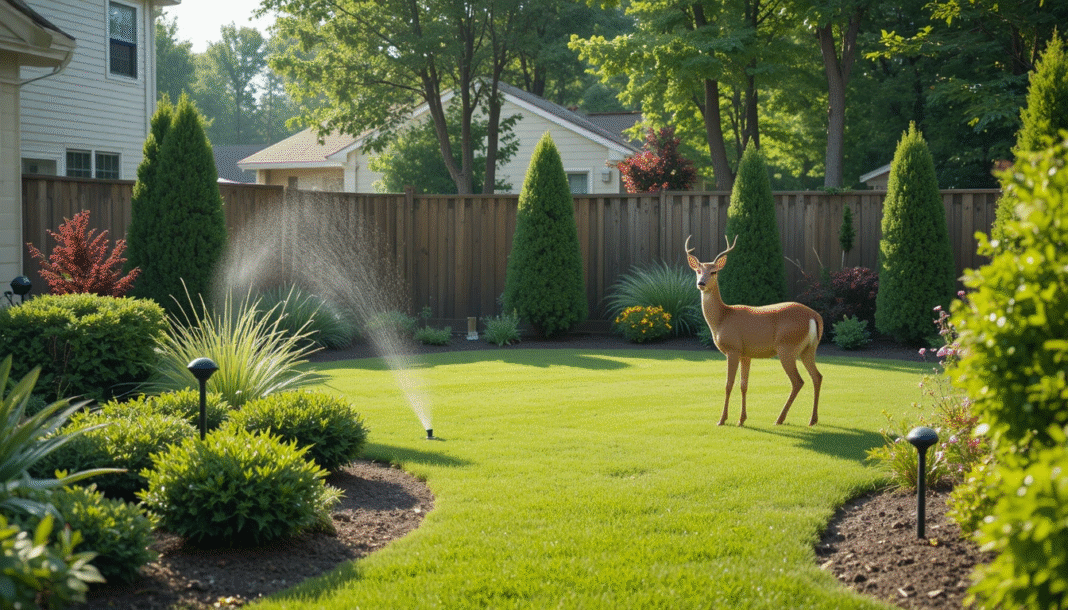
Motion-activated devices, such as sprinklers, lights, or alarms, are excellent tools for startling deer. Position them near gardens or common entry points. These devices activate when movement is detected, discouraging deer from returning. Consistent use over several weeks can dramatically reduce deer visits. Using multiple units strategically throughout your yard increases their effectiveness, especially in areas where deer activity is frequent at night.
Apply Repellents Strategically
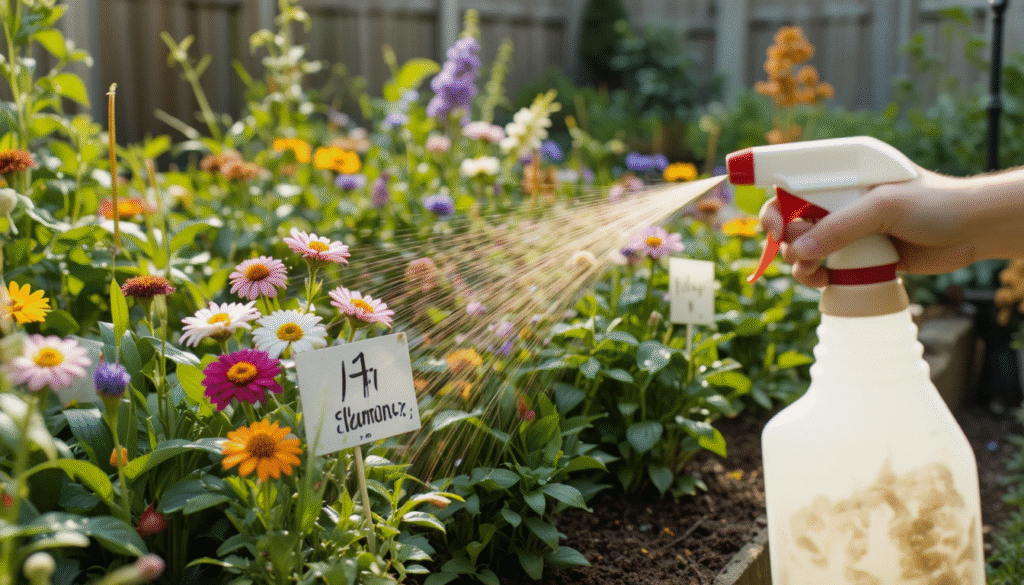
To help with how to keep deer out of your yard, repellents can make plants less appealing. Commercial sprays with strong scents or homemade mixtures using garlic, soap shavings, or hot pepper are effective. Apply them regularly, especially after rain, because moisture reduces their potency. Target vulnerable plants, such as flowers, shrubs, and vegetables. Combining repellents with barriers or deterrents creates a layered defense, giving your yard maximum protection against deer.
Create a Deer-Unfriendly Landscape
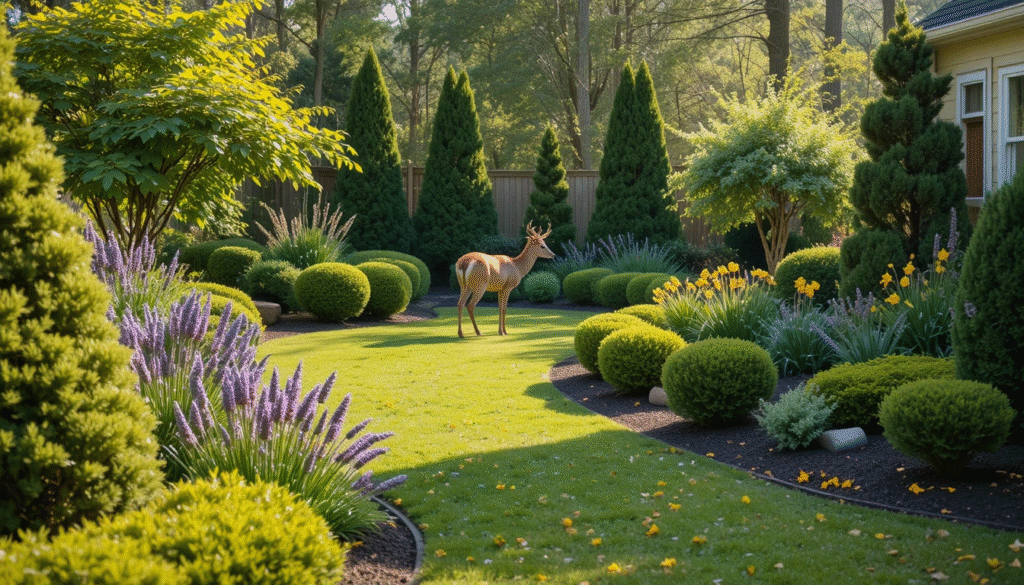
Adjust your planting strategy to make your yard less attractive to deer. Choose plants that they avoid, such as lavender, daffodils, holly, and boxwood. Thorny or strongly scented shrubs along garden edges act as natural deterrents. Remove fallen fruit and trim overgrown bushes to limit food sources and hiding spots. By maintaining a clean, well-organized yard, you can deter deer while keeping it visually appealing.
Cost of Deer Prevention
The cost of keeping deer out of your yard depends on the method you choose. Fencing can range from $5 to $15 per linear foot, while motion-activated sprinklers or alarms may cost $30–$100 each. Repellents are usually inexpensive but need frequent reapplication, around $10–$20 per month. Combining several approaches increases initial investment but provides long-term protection, making it a worthwhile expense for gardeners and homeowners.
Maintenance of Deer Deterrents
- To maintain effectiveness, all deer prevention methods require regular attention.
- Fences should be checked monthly for gaps or weak spots.
- Motion-activated devices need batteries or water refills, and repellents must be reapplied after rain or heavy watering.
- Keep plants trimmed and remove fallen fruits or debris.
- Regular maintenance ensures your yard remains protected, reducing the chance of deer damage while extending the life of your deterrents.
Understanding how to keep deer out of your yard also requires consistency and observation over time. Homeowners should regularly monitor deer activity patterns, especially during early morning or evening hours when deer are most active. By tracking where deer enter and what areas they target most, you can adjust your deterrent strategy more effectively.
Combining observation with layered protection methods such as fencing, repellents, and motion-activated devices ensures long-term success. Over time, deer learn to avoid well-protected yards, making persistence a key factor in maintaining a deer-free landscape.
Seasonal Adjustments
Deer behavior changes with the seasons, so your prevention strategy should too. In spring and summer, they seek tender vegetation, while in fall, they are attracted to fruit and nuts. Winter can push them closer to yards in search of food. Adjust fencing, repellents, and motion devices accordingly. Planting seasonal deer-resistant plants and shifting deterrents to high-risk areas helps maintain continuous protection year-round.
Safety and Environmental Considerations
- When keeping deer out of your yard, consider safety and environmental impacts.
- Avoid toxic chemical repellents that could harm pets or wildlife.
- Electric fences should follow local safety regulations to prevent accidents.
- Opt for natural or biodegradable options when possible.
- Creating a deer-unfriendly yard while respecting the ecosystem ensures humane treatment of animals and maintains a safe, healthy environment for your family, neighbors, and local wildlife.
Conclusion
Learning how to keep deer out of your yard effectively combines fencing, motion-activated devices, repellents, and deer-resistant plants. Regular maintenance, seasonal adjustments, and safety measures improve results. By understanding deer behavior and applying these practical steps, homeowners can safeguard gardens, fruit trees, and landscaping. Consistent effort ensures a deer-unfriendly yard while protecting the environment, allowing you to maintain beautiful, healthy outdoor spaces free from deer damage.
Want to know about How to Choose Between a Skid Steer and a Wheel Loader for Your Project Check out our Landscaping category.
FAQs
A fence around 8 feet high is most effective. Strong, well-installed materials keep deer from jumping, ensuring gardens and young plants remain safe throughout the year.
Yes, sprinklers, lights, or alarms triggered by movement can scare deer. Placing them at entry points, especially in high-traffic areas, significantly reduces repeat visits.
Deer avoid strong-scented or thorny plants like lavender, holly, boxwood, and daffodils. Using these along garden edges creates a natural barrier while keeping landscaping attractive.