
Introduction
Granite countertops are popular for many homeowners due to their durability, aesthetic appeal, and ability to withstand high temperatures. However, despite their robustness, granite surfaces are not entirely impervious to stains. Understanding how to get stains out of granite easily can keep your countertops looking pristine and prolong their lifespan. This comprehensive guide will explore practical methods and preventive measures to ensure your granite remains stain-free.
| Cost of This Work | Around $5-$20 for DIY methods; professional services may cost $100 – $200 |
| Ingredients Required | Baking soda, hydrogen peroxide, isopropyl alcohol, mild dish soap, water |
| Method to Remove Hard Water Stains | Use isopropyl alcohol; apply to a cloth, rub the stain, rinse and dry |
| Baking Soda Method | Mix baking soda with water to create a paste, apply to the stain, cover with plastic wrap, let sit for 24 hours, then wipe clean |
| Oil Stain Removal | Create a baking soda and water paste, apply, cover with plastic wrap, let sit for 24 hours, wipe clean |
| Wine Stain Removal | Blot spill immediately, apply hydrogen peroxide-soaked cloth, cover with plastic wrap overnight, wipe clean |
| Daily Maintenance Tips | Wipe spills immediately, use coasters and trivets, clean regularly with mild dish soap and water |
| Wikipedia Reference | …./wikipedia.org/wiki/Granite |
Understanding Granite and Its Susceptibility to Stains
What Makes Granite Special?
Granite is a natural stone known for its unique patterns and strength. It’s formed from the crystallization of magma beneath the Earth’s surface, making each slab one-of-a-kind. This uniqueness adds value and beauty to any kitchen or bathroom.
Common Causes of Granite Stains
Despite its resilience, granite is porous, absorbing liquids and other substances that cause stains. Common culprits include:
- Oil: Cooking oils, greasy foods, and oily substances can seep into the stone and leave dark spots.
- Wine: Red wine is notorious for staining granite due to its deep color and acidity.
- Water: Hard water deposits can leave unsightly marks on the surface.
- Rust: Metal objects left on granite can cause rust stains, particularly in areas with high humidity.
Effective Methods for Removing Stains From Granite Surfaces
The article explains that getting stains out of granite requires understanding the type of stain and using the right cleaning approach to avoid damaging the stone. Common stains such as oil, food, or water marks often respond well to gentle, non-abrasive cleaning methods and poultice treatments designed specifically for granite. The article also emphasizes the importance of acting quickly when spills occur and avoiding harsh chemicals that can weaken the stone’s seal. With proper care, patience, and the correct techniques, granite surfaces can be restored to their original appearance while maintaining their durability and natural shine.
Essential Tools and Materials for Stain Removal
Must-Have Cleaning Supplies
To effectively remove stains from granite, you’ll need a few essential tools and materials:
- Soft cloths or microfiber towels
- Mild dish soap
- Baking soda
- Hydrogen peroxide
- Isopropyl alcohol
- Plastic wrap
- Non-abrasive scrub pads
- A soft-bristled brush
Natural vs. Commercial Cleaners: What Works Best?
Both natural and commercial cleaners can be effective, but natural solutions are often preferred for their safety and environmental benefits. For example, baking soda and hydrogen peroxide can create a potent cleaning paste that lifts stains without damaging the stone.
How To Get Stains Out Of Granite? Step-by-Step Guide
Pre-Cleaning Preparations: Getting Ready
Before tackling stains, clean the surface with mild dish soap and warm water. This removes any surface dirt and makes identifying and treating stains easier.
Identifying the Type of Stain: A Crucial Step
Knowing the type of stain is crucial for selecting the proper removal method. For instance, oil-based stains require different treatment compared to water-based stains.
Easy DIY Methods for Common Stains
Removing Oil Stains
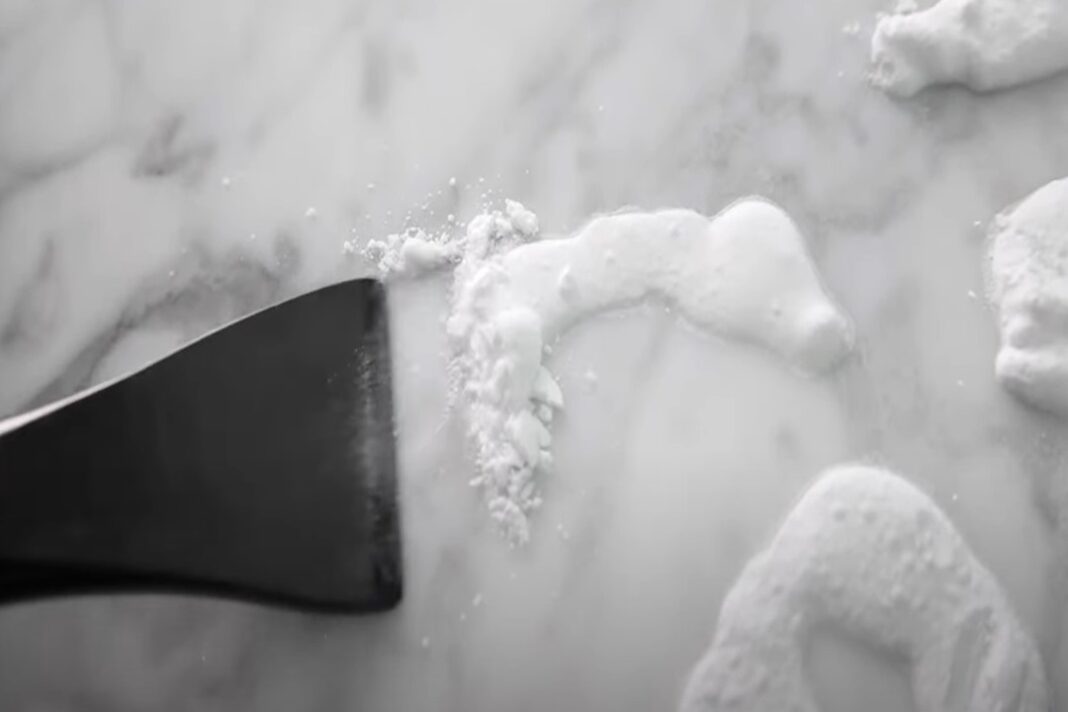
- Create a Paste: Mix baking soda and water to a thick paste.
- Apply the Paste: Spread it over the oil stain and cover it with plastic wrap.
- Let It Sit: Leave it for 24 hours to allow the paste to absorb the oil.
- Wipe Clean: Remove the paste with a damp cloth and rinse the area.
Tackling Wine Spills
- Blot the Spill: Immediately blot the wine with a paper towel to prevent it from spreading.
- Apply Hydrogen Peroxide: Soak a cloth in hydrogen peroxide and place it over the stain.
- Cover with Plastic Wrap: Secure with plastic wrap and let it sit overnight.
- Clean the Area: Wipe the area clean with a damp cloth.
Erasing Water Marks
- Use Isopropyl Alcohol: Apply a small amount to a cloth.
- Wipe the Stain: Gently rub the watermark until it disappears.
- Rinse and Dry: Rinse the area with water and dry with a clean cloth.
Handling Rust Spots
- Create a Paste: Mix baking soda and water to a thick paste.
- Apply the Paste: Spread the paste over the rust stain.
- Let It Sit: Allow it to sit for several hours or overnight.
- Scrub Gently: Use a soft-bristled brush to scrub the stain gently.
- Rinse and Dry: Rinse with water and dry with a clean cloth.
Preventive Measures to Keep Granite Stain-Free
Daily Maintenance Tips
- Wipe Spills Immediately: Prevent stains by wiping up spills as soon as they occur.
- Use Coasters and Trivets: Protect your granite from liquids and hot items by using coasters and trivets.
- Clean Regularly: Use a mild dish soap and water solution for daily cleaning.
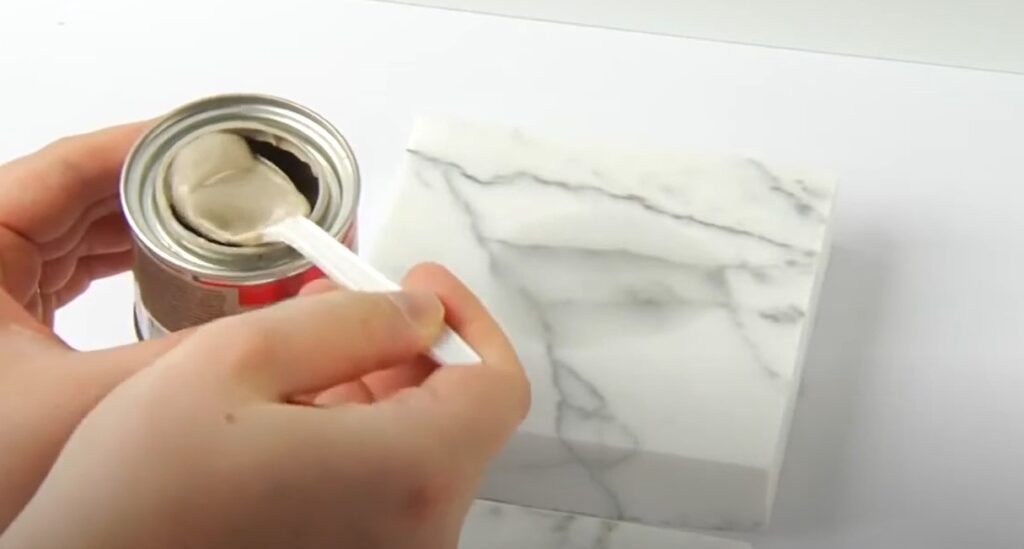
Seal Your Granite: How and Why
Sealing granite creates a protective barrier that prevents liquids from penetrating the stone. Here’s how to do it:
- Clean the Surface: Ensure the granite is clean and dry.
- Apply the Sealer: Spray or sealer according to the manufacturer’s instructions.
- Let It Sit: Allow the sealer to penetrate for the recommended time.
- Wipe Off Excess: Remove any excess sealer with a clean cloth.
- Repeat Annually: Reapply the sealer every 1-2 years for optimal protection.
Best Practices for Granite Care
- Avoid Harsh Chemicals: Steer clear of acidic or abrasive cleaners that can damage the surface.
- Use Cutting Boards: Use cutting boards to prevent scratches and knife marks.
Common Mistakes to Avoid When Cleaning Granite
What Not to Use on Granite
Avoid using vinegar, lemon juice, or other acidic substances, as they can etch the surface. Additionally, steer clear of abrasive scrubbers, which can scratch the stone.
The Risks of Improper Cleaning Techniques
Improper cleaning can cause more harm than good. For instance, using too much water can lead to water stains, and harsh chemicals can strip the sealant, making the granite more susceptible to stains.
Troubleshooting Persistent Stains
When to Call a Professional
If a stain persists despite your best efforts, it may be time to call a professional. Stone restoration experts have specialized tools and knowledge to tackle tough stains without damaging your granite.
Long-Term Solutions for Tough Stains
For stubborn stains that won’t budge, consider professional-grade poultices or stain removers explicitly designed for natural stone. These products can penetrate deeper and remove set-in stains.
Conclusion
Keeping your granite countertops stain-free is more manageable than it may seem. With the right tools, techniques, and preventive measures, you can maintain the beauty and integrity of your granite surfaces for years to come. Remember to clean spills promptly, use gentle cleaners, and seal your granite regularly to protect it from stains and damage.
Are you curious to read an amazing article on ?, then explore our “Cleaning” category.
Frequently Asked Questions (FAQs)
Sealing granite countertops every 1-2 years is recommended, depending on the type of sealer used.
No, vinegar is acidic and can damage the surface of granite. Stick to mild dish soap and water for regular cleaning.
If an oil stain persists, repeat the baking soda paste method or use a commercial poultice designed for oil stains.
Avoid using bleach, ammonia, vinegar, lemon juice, and abrasive cleaners or scrubbers on granite surfaces.